

Maddy summaryThis bill prohibits modifying a vehicle's muffler or exhaust system to amplify noise beyond the original factory level, directly affecting car owners and operators who install aftermarket exhaust systems. It requires vehicle inspections to check mufflers and exhaust systems for excessive or unusual noise, expanding current inspection standards that previously focused only on emissions. Violations carry a penalty of up to $500 in fines, 30 days in jail, or both. The bill amends existing laws (R.S. 39:3-69(c) and R.S. 39:3-70(b)) to clarify the prohibition and align inspection requirements with noise regulations.
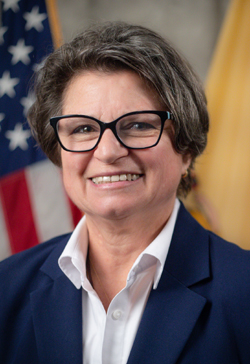
Asm. Luanne Peterpaul
Sponsored bills
Maddy summaryThis New Jersey bill (A4511) requires health insurance carriers to cover enrollment in recovery high school alternative education programs for students diagnosed with substance use disorders. Coverage must be provided under the same terms and conditions as other medical benefits, with placement determined clinically appropriate by certified counselors, physicians, or treatment facilities. The bill amends existing insurance law to include this coverage requirement for programs established under P.L.2015, c.254. This provision supplements existing mental health parity requirements under federal law.
Maddy summaryThis Assembly Resolution (AR 142) supports the federal Emergency Medical Treatment and Active Labor Act (EMTALA), a 1986 law requiring hospitals to screen and stabilize emergency patients regardless of payment ability. It urges continued federal enforcement of EMTALA’s core provisions: hospitals must not delay emergency screenings or treatment to check insurance/payment status, and must stabilize patients before transfer or discharge. The resolution directly affects hospitals and patients in emergency care settings by advocating for the preservation of these federal protections, and it directs copies to federal officials and New Jersey state agencies.
Maddy summaryThe "Cancer Patient Care and Compassion Act" (A4483) requires health insurance plans, Medicaid, and the State Health Benefits Program to cover cancer treatments administered through IV or other non-digestive system methods, along with survivorship care plans for patients with Stage III, IV, or terminal cancer, with no cost-sharing required. The bill prohibits mortgage lenders from initiating foreclosure actions and creditors from starting collection proceedings against cancer patients undergoing treatment, requiring dismissal of such actions upon physician certification. Additionally, it provides up to 45 days' eviction protection for tenants with cancer who submit physician certification, and extends employment protections for cancer patients taking disability leave. This legislation directly affects cancer patients in New Jersey who are receiving treatment for advanced stages of cancer, ensuring they face fewer financial barriers during their treatment.
Maddy summaryThis bill regulates the use of automated hiring tools in New Jersey to prevent employment discrimination. It requires vendors to conduct annual bias audits of their tools and include the results at no extra cost when selling the tool. Employers must notify job applicants within 30 days if an automated tool was used to screen their application and that the tool assessed their qualifications. Violations can result in civil penalties of up to $1,500 per violation.
Maddy summaryThis bill establishes the New Jersey Legislative Youth Council to engage youth in policymaking. It directs the Secretary of Higher Education to select a state higher education institution to host the council, which will include 40 youth members (ages 18-25, residents for at least 10 years) representing each legislative district, plus four non-voting legislative advisors. The host institution appoints a coordinator (receiving an annual stipend) to manage operations, arrange policy engagement opportunities, and submit biennial reports to the Legislature. Key changes include raising the age range from 15-23 to 18-25, lowering residency requirements, removing mandatory subject areas for research, and shifting from annual to biennial reporting. The council provides youth perspectives on issues affecting them to lawmakers and policymakers.
Maddy summaryThis bill allows certain New Jersey school districts that will lose state aid to submit their budgets after the state's FY2025 budget is finalized. It specifically applies to districts where the state aid reduction exceeds their unused tax authority (known as "banked cap" under current law). The Commissioner of Education must permit these districts to submit budgets within five days after the FY2025 appropriations act is enacted, and may adjust the budget calendar to create a compressed timeline for approval. The change applies only to the 2024-2025 school year.
Maddy summaryACR 105 reconstitutes New Jersey's "Joint Committee on Economic Justice and Equal Employment Opportunity," a committee previously established by the 216th Legislature. The resolution specifies that the committee will consist of 10 legislators (appointed by chamber leaders) and authorizes it to conduct ongoing studies of economic justice and employment equity issues across the state. The committee may hold hearings statewide, utilize legislative staff, and submit regular reports to the legislature. This is a procedural measure to restore an existing committee structure, not a policy change affecting specific groups or programs.
Maddy summaryThis bill (A 3980) requires New Jersey's Department of Human Services to create a system that stops funding for substance use disorder treatment or housing services when General Assistance program beneficiaries exit those services. It directly affects beneficiaries receiving General Assistance cash benefits and the service providers (like treatment centers or housing agencies) that receive state funds. The key mechanism mandates that funding must cease on the exact date a beneficiary is discharged or no longer receives services, with the Commissioner authorized to verify service dates and demand repayment if funds were incorrectly paid after services ended. The bill aims to prevent overpayment by ensuring funds align precisely with active service delivery.
Maddy summaryNew Jersey's AJR 177 is a resolution urging Congress and the President to pass the "Do Not Disturb Act." It highlights that Americans receive over 2.1 billion spam and scam calls monthly - wasting 195 million hours in 2023 - and notes a Supreme Court ruling (Facebook v. Duguid) that limits current anti-robocall laws. The proposed act would expand protections against spam calls, combat AI-driven scams, and reduce costs for consumer call-blocking technology. It directly affects all U.S. phone users, with particular concern for seniors targeted by these calls. The resolution calls for federal action to address this widespread issue.