

Issue · Budget & Taxes
Budget & Taxes
Every budget & taxes bill, vote, and legislator stance in New Jersey, automatically classified by Maddy, our AI policy reader.
Total bills
1,920
2026-2027 Regular Session
Top supporter
Roy Freiman
100% support rate
Top opponent
Al Barlas
14% support rate
Ranked legislators
10
5 support · 5 oppose
Key legislators
Who's moving budget & taxes in New Jersey
| Legislator | Party | Stance | Support rate | Decisive votes |
|---|---|---|---|---|
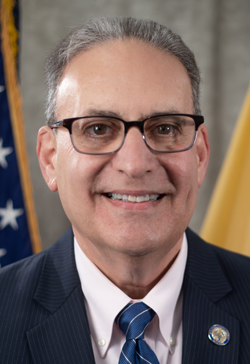
Roy Freiman
House · District 16
|
D |
Strong +
|
100% | 10 |

Anthony Angelozzi
House · District 8
|
D |
Strong +
|
100% | 7 |
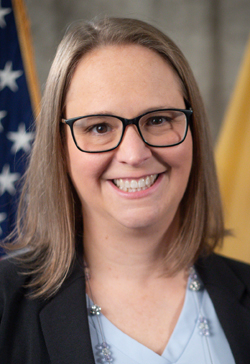
Andrea Katz
House · District 8
|
D |
Strong +
|
100% | 6 |

Dan Hutchison
House · District 4
|
D |
Strong +
|
100% | 6 |
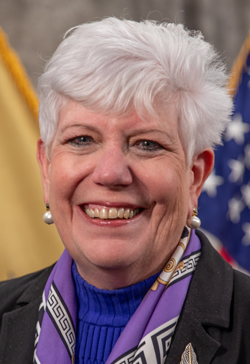
Maureen Rowan
House · District 2
|
D |
Strong +
|
100% | 6 |
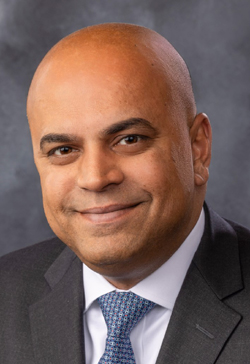
Al Barlas
House · District 40
|
R |
Strong −
|
14% | 14 |

Bob Auth
House · District 39
|
R |
Strong −
|
14% | 14 |

Brian Rumpf
House · District 9
|
R |
Strong −
|
14% | 14 |
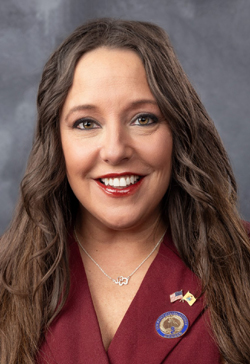
Dawn Fantasia
House · District 24
|
R |
Strong −
|
14% | 14 |
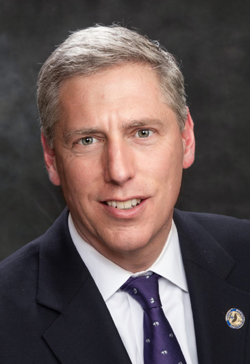
Erik Peterson
House · District 23
|
R |
Strong −
|
14% | 14 |
Showing 431–440 of 1,920
bills
All budget & taxes bills
A 4016: Requires DVA establish veterans facility in Ocean or Monmouth County.
Topics
✓ Budget & TaxesSupports Budget & TaxesBill mandates annual General Fund funding for veterans facility construction, directly allocating state budget resources toward public service program expansion.
✓ VeteransSupports VeteransMandates new veterans facility with dedicated funding, advancing services and recognition per bill's requirements to establish facility within 5 years.
A 4341: Establishes New Jersey Community Learning Program in DOE to provide comprehensive after school programs in certain communities; dedicates portion of State cannabis revenue to support program.
Topics
✓ Budget & TaxesSupports Budget & TaxesBill allocates cannabis tax revenue to fund after-school programs, directly using tax revenue for public service spending under fiscal management.
✓ EducationSupports EducationFunds comprehensive after-school academic support and enrichment programs in designated districts using cannabis tax revenue, directly advancing student access and program quality in K-12 education.
Sub-Topics
Revenue
A 484: Permits certain local units and authorities to reduce water, sewer, and stormwater fees and other charges for low-income persons.
Topics
✓ Budget & TaxesSupports Budget & TaxesBill reduces utility fees for low-income households, providing fiscal relief and aligning with tax relief indicators for lower income while requiring budget adjustments by authorities.
✓ HousingSupports HousingBill reduces utility fees for low-income households meeting federal poverty guidelines, directly advancing affordability by lowering housing cost burdens for eligible residents.
Sub-Topics
Renters
A 2632: Provides tax credits to companies contributing to loan and loan redemption program for residents who attend institutions of higher education in State and work at such company upon graduation.
Topics
✓ Budget & TaxesSupports Budget & TaxesCreates tax credits for companies contributing to student loan fund, using fiscal policy to incentivize corporate support for education, reducing tax liability for participants.
✓ EducationSupports EducationCreates tax credits for companies funding student loans at NJ colleges, directly supporting higher education access and reducing graduate debt through financial incentives.
A 3333: Provides reimbursement to emergency shelter following certain evictions.
Topics
✓ Budget & TaxesSupports Budget & TaxesBill mandates state reimbursement for shelter eviction costs, increasing government spending on essential services per budget appropriations.
✓ HousingSupports HousingReimburses shelters for eviction costs, enabling continued operation to address homelessness under housing topic indicators.
A 3188: Prohibits use of county and municipal vehicles by part-time elected local government officers.
Sub-Topics
Government Spending
A 4424: Allows 50 percent sales and use tax exemption for telephone, mail-order, and internet transactions by qualified businesses within Urban Enterprise Zone; allows quarterly tax returns for qualified businesses; increases allowable administrative expenses by qualified municipalities.
A 2410: Establishes New Jersey Workforce Industry Needs Scholarship.
Topics
✓ Budget & TaxesSupports Budget & TaxesCreates state-funded scholarship program covering tuition/fees at public institutions, increasing government spending on workforce education as a public service.
✓ EducationSupports EducationCreates scholarship funding for career programs in high-demand fields, expanding educational access and financial support for students pursuing vocational training at county colleges.
✓ HealthcareSupports HealthcareExplicitly targets healthcare as a high-demand field for workforce training, funding education to expand healthcare workforce capacity.
✓ Labor & EmploymentSupports Labor & EmploymentFunds scholarships for high-demand career programs tied to state Labor Demand Occupation List, directly advancing workforce development in key employment sectors.
A 2815: Continues tax exempt status of certain real property owned by disabled veterans during reconstruction of homes destroyed by flood, storm, or other act of God.
Topics
✓ Budget & TaxesSupports Budget & TaxesPreserves property tax exemption for disabled veterans, providing direct tax relief to a vulnerable group affected by disasters.
✓ VeteransSupports VeteransMaintains property tax exemption for disabled veterans' homes after natural disasters, preventing loss of benefit during reconstruction.