

Maddy summaryThis bill requires the New Hampshire Department of Environmental Services to issue most air pollution control permits within 120 days of receiving a complete application, unless the applicant agrees to a longer timeline. It mandates that the department publish public notice and offer a hearing opportunity before acting on permit applications, except for sources deemed to have an insignificant impact on air quality. Additionally, the law establishes an annual reporting requirement where the department must submit written reports to state legislative committees by February 28 each year, detailing the number of applications received, permits granted or denied, and cases pending longer than 120 days. These changes directly affect businesses and individuals seeking air permits and increase transparency regarding the permitting process.
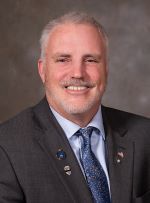
Sen. Howard Pearl
Sponsored bills
Maddy summaryThis bill establishes that unpaid meals and rooms taxes, along with associated penalties and interest, become a legal lien against all property owned by the business operator responsible for collecting them. The lien attaches to both real and personal property once the tax authority makes a formal demand for payment and remains in effect until the debt is fully satisfied or the claim becomes unenforceable. To ensure clarity, the law defines "operator" to include individuals with managerial or custodial control over tax collection, while explicitly excluding mere owners without such responsibility, and requires any lien on real estate to be recorded at the county registry to be valid.
Maddy summaryThis bill establishes a temporary committee to study how e-cigarettes and e-liquids are marketed, sold, and taxed within the state. The committee will be composed of one senator and three representatives, who will meet to examine product legality, retail compliance, and tax collection methods. It requires the group to consult with state agencies and private sector stakeholders before submitting a final report with recommendations by November 1, 2024. Once the report is delivered, the committee and the specific section creating it will be dissolved.
Maddy summaryThis bill replaces the physical registration seal system with a digital confirmation number system for tracking wild deer and moose in New Hampshire. It directly affects hunters, requiring them to obtain a unique confirmation number for each animal instead of attaching a physical seal to the carcass or tag. The law mandates that these confirmation numbers accompany the animal during transport, whether by the hunter personally or through a licensed carrier, and establishes specific registration stations to issue these numbers. Once signed into law, the new system will become effective on September 24, 2024, streamlining how the state verifies and monitors harvested game.
Maddy summaryThis bill officially renames a specific stretch of Route 127 in Franklin, New Hampshire, from Central Street to the Sanbornton town line as the Chief Bradley Haas Memorial Highway. The legislation requires the state Department of Transportation to create and install appropriate signs along the designated route, with the design subject to departmental approval. While the City of Franklin is responsible for maintaining these signs, the state covers all costs associated with their design, manufacturing, and installation through general funds. The changes become effective 60 days after the bill is signed into law.
Maddy summaryThis bill establishes three new requirements for hunters and fishermen in New Hampshire. It mandates the creation of registration stations to tag bears killed in the state and requires all hunters aged 16 and older to carry a valid federal duck stamp when hunting migratory waterfowl. Additionally, the law introduces a landing license for individuals who transport lobsters and crabs taken outside New Hampshire waters into the state for sale or personal use. These measures aim to improve wildlife tracking, ensure compliance with federal conservation laws, and regulate the importation of shellfish.
Maddy summaryThis bill allows local municipalities to add a specific section to their land use master plans dedicated to waste reduction. The new provision requires these plans to outline strategies for lowering solid waste disposal through methods like recycling, composting, and managing hazardous or electronic waste. Communities can implement these strategies by conducting needs analyses, organizing town waste committees, seeking grant funding, and collaborating with neighboring regions. The law takes effect 60 days after it is passed, giving towns time to update their existing planning documents.
Maddy summaryThis bill updates laws regarding how real estate brokers handle drivers' licenses during property transactions. It allows brokers to scan and keep digital copies of licenses to verify ownership but requires them to delete these files by the closing date or immediately upon request from the license holder. The legislation also clarifies rules for pawnbrokers and secondhand dealers, permitting them to scan licenses with consent to check stolen goods databases while restricting how long they can keep those records. Effective January 1, 2025, the law aims to balance the need for identity verification in real estate sales with the protection of personal information.
Maddy summaryThis bill establishes a voluntary certification program for doulas and lactation service providers to make their services eligible for reimbursement through Medicaid. The state's office of professional licensure and certification is tasked with creating the rules and processes for this certification, while ensuring the program includes diverse community members. The law clarifies that this new certification does not replace existing federal funding or prevent individuals already certified under other laws from working. It took effect on July 1, 2024, allowing certified providers to bill Medicaid for their specific services under separate coverage rules.
Maddy summaryThis bill updates the rules for plumbing apprenticeships in New Hampshire by limiting each plumbing license holder to employing a maximum of two apprentices. It clarifies that a master plumber is not required to register an apprentice in a state-approved program, though such registration is still permitted if the program meets federal Department of Labor standards. The law defines a plumbing apprentice as someone learning to install plumbing and drainage systems under the supervision of a licensed professional. These changes take effect 60 days after the bill is signed into law.