

Maddy summaryHB 165 sets a $25 million maximum cap on federal disaster relief funding that municipalities can receive after a natural disaster. This directly affects cities and towns in the state that apply for federal disaster assistance following events like floods or storms. The key provision establishes this specific funding limit to prevent municipalities from exceeding a defined threshold for recovery aid. The bill became law on May 29, 2025, and takes effect July 28, 2025.
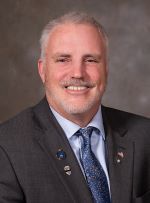
Sen. Howard Pearl
Sponsored bills
Maddy summaryHB 279 creates a state committee to study the current approval process for recipes and production methods used in home food preparation (homestead foods). The committee will examine how these processes are reviewed and approved by state agencies, with findings potentially informing future policy. This bill directly affects state agencies responsible for food safety oversight and takes effect immediately upon the governor's signature on May 29, 2025.
Maddy summarySB 174 prevents local planning boards from rejecting housing development applications based solely on the number of bedrooms proposed. It directly affects developers seeking approval for residential projects (including rental or purchase units) and planning boards reviewing those proposals. The bill requires boards to focus on water/sewage infrastructure compliance instead of bedroom counts when evaluating applications, while still allowing checks for adequate water and sewage capacity under existing rules. This change aims to reduce barriers for housing projects without altering requirements for basic infrastructure.
Maddy summarySB 37 amends New Hampshire's licensing rules for residential care and health facilities. It requires the Department of Health and Human Services to investigate complaints about facility violations, post investigation and annual inspection results on its website (excluding certain privacy laws), and use civil fines collected from facilities in a dedicated account to protect resident health and property. The bill also mandates dementia-specific training for direct care staff (6 hours initial, 4 hours annually) and updates patient visitation policies to clarify facility rules. These changes directly affect licensed residential care facilities, health facilities, and their staff, focusing on transparency, resident safety, and staff training requirements.
Maddy summarySB 62 restricts local law enforcement agencies from participating in federal immigration enforcement programs, such as the 287(g) program, which allows state officers to assist with federal immigration detainers. It directly affects municipal and county police departments by prohibiting them from cooperating with federal immigration authorities on immigration-related matters. The bill’s key provision bans state and local law enforcement from using state resources to enforce federal immigration law or share information about individuals solely based on immigration status. This law takes effect on January 1, 2026, and applies to all state and local law enforcement agencies within the jurisdiction.
Maddy summaryHB 211 modifies hunting regulations by expanding the types of game that can be taken with air rifles. It permits the use of air rifles for small game, and now also for moose, bear, or deer. The bill authorizes the executive director to establish specific kinetic energy requirements for air rifles used on these larger animals. Additionally, the executive director will define the methods and manners for using air rifles for small game, moose, bear, or deer through administrative rules. This bill primarily affects hunters and the state's wildlife management agency.
Maddy summaryHB 150 amends New Hampshire law to allow home-based food producers (called "homestead food operations") to use commercial kitchen equipment in their primary residence kitchens. It specifically permits this for non-hazardous foods prepared for sale, provided the equipment can be cleaned and sanitized within the home kitchen area. The bill defines "commercial kitchen equipment" as professional-grade tools designed for heavy use, but requires it to meet home kitchen sanitation standards. This change directly affects small-scale home food businesses in New Hampshire seeking to scale operations without moving to a commercial facility.
Maddy summaryHB 99 amends the law concerning property tax credits for disabled veterans. The bill increases the maximum optional tax credit for veterans with a service-connected permanent and total disability from $4,000 to $5,000. It clarifies that this optional credit, which cities and towns can choose to adopt, replaces other specific tax credits for veterans and is not an additional benefit. This change directly affects qualifying disabled veterans and the municipalities that offer this property tax credit.