

Maddy summaryHB 244 updates and reorganizes the existing legal framework for how municipalities enforce building and fire safety codes. It directly affects local governments and their code enforcement officers by clarifying and streamlining the procedures they use to inspect buildings and ensure fire safety compliance. The bill's key mechanism is reorganizing current code enforcement rules into a more logical, accessible format without changing the underlying safety requirements. This makes it easier for municipal staff to apply the rules consistently and for the public to understand the enforcement process. The bill focuses solely on improving the structure of the existing law, not on creating new safety standards.
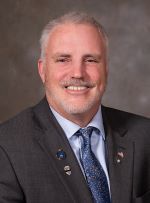
Sen. Howard Pearl
Sponsored bills
Maddy summaryHB 133 modifies the process for new residents moving to the state who need to transfer their out-of-state driver's licenses. It specifies clear timelines for the Division of Motor Vehicles (DMV) to send violation notices to drivers and allocates funds to the DMV for technology upgrades needed to meet state legal requirements. The bill directly affects new residents required to obtain a state license and the DMV, which must implement these changes. Key provisions include updated license transfer rules, standardized violation notice procedures, and dedicated funding for necessary technological improvements to ensure compliance.
Maddy summaryHB 349 would authorize optometrists to perform specific ophthalmic laser procedures within their scope of practice. This bill directly affects optometrists by expanding their permitted treatments and patients seeking these laser-based eye care services. The key provision allows optometrists to conduct certain laser procedures (like those for diabetic retinopathy) without requiring a physician's direct supervision, as outlined in the bill's current committee report. The bill is pending further legislative action after passing committee with amendments.
Maddy summarySB 193 requires the head of each New Hampshire state agency to submit a strategic plan outlining how their agency will operate by September 30, 2026. The plan must detail program activities and be submitted to both the state commission on program efficiency and the legislature. This bill directly affects all state agency leaders by mandating a formal, forward-looking document for transparency and planning. It does not alter agency funding or programs but establishes a recurring administrative requirement for accountability. The bill is currently referred for an interim study after committee review.
Maddy summarySB 185 updates how New Hampshire's Office of Professional Licensure and Certification handles complaints against licensed professionals (like doctors, lawyers, or engineers). It requires the office to review each complaint within 30 days to determine if it alleges valid misconduct, and if not, recommend dismissal to the licensing board. If misconduct is alleged, the office must investigate within 90 days (or the board may decide within 60 days if the investigation is delayed), overriding other conflicting laws. The bill directly affects licensees facing complaints and the office’s process for resolving them, with changes effective March 1, 2026.
Maddy summarySB 63 would have allocated funding to the Division of Travel and Tourism, directly affecting state tourism promotion and marketing efforts. The bill proposed specific budget provisions for tourism development programs but did not advance beyond committee. On October 30, 2025, the committee voted unanimously (25-0) to report the bill as "Inexpedient to Legislate," effectively halting its progress without further action.
Maddy summaryHB 246 establishes a state-funded grant program to help local conservation districts implement climate resilience projects. It directs the state conservation committee to manage the program and allocates specific funding for initiatives like flood control, soil health improvements, and habitat restoration. The bill directly affects conservation districts across the state, providing them with financial resources to address climate-related challenges on local lands. This program creates a concrete mechanism for state support of community-level climate adaptation efforts.
Maddy summarySB 186 is a procedural bill that directs the state to commission a portrait of Senator Jeb Bradley for display in the state house. It does not create new laws or affect any policies; it solely relates to commemorating Senator Bradley through a portrait in a public state building. The bill has advanced through committee with a recommendation to pass and now awaits further legislative action. This is a ceremonial measure with no substantive policy impact.
Maddy summarySB 231 would change rules for building roads near wetlands by requiring new roads to maintain a minimum distance (setback) from wetland areas. This directly affects developers, local governments, and planners involved in road construction projects adjacent to wetlands. The bill proposes specific setback distances to protect wetland ecosystems from development impacts. However, the committee recently voted to table the bill as "inexpedient to legislate," halting its progress.
Maddy summaryThe context provided does not include the actual text or specific provisions of SB 109, only its procedural history (introduction, committee referrals, and hearings). Without details on what the bill proposes to change regarding "alteration of terrain permits," its key mechanisms, or who it directly affects, a substantive summary cannot be created. Legislative summaries require concrete policy language, which is absent here. For an accurate summary, the full bill text or detailed description would be needed.