

Maddy summaryThis bill establishes a Commission on the Interdisciplinary Primary Care Workforce to study and report on strategies for improving healthcare access in New Hampshire. The commission will examine the state's loan repayment program and health professions survey, submitting an interim report in 2026 and a final report with recommendations in 2029. It also expands the commission's membership to include a representative from Direct Primary Care Frontier and requires the Office of Professional Licensure and Certification to share data with the State Office of Rural Health to support primary care initiatives. These changes aim to gather information and propose future legislation to address workforce needs in the state's healthcare system.
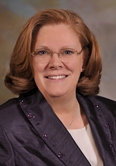
Sen. Sharon Carson
Sponsored bills
Maddy summaryThis bill directs the state Department of Energy to study whether a standardized formula can replace the current multi-part legal test for setting rates charged to companies that attach equipment to utility poles. If the study concludes that such a formula would fairly cover costs, treat all users equally, and be clear to everyone, the department must create and finalize it by January 1, 2026, followed by a formal rulemaking process to adopt it. To support this work, the bill grants the department authority to require public utilities to keep detailed records of their pole assets and to share this data with the department and other attaching entities. Utilities that have already settled their rates before July 1, 2024, will keep those arrangements in place until the new formula is developed and approved. The law takes effect immediately upon signing.
Maddy summaryThis bill expands legal representation for children involved in New Hampshire child protection cases by requiring courts to appoint attorneys for specific vulnerable groups. The law mandates that a lawyer be assigned to represent the expressed interests of any child placed in a group home, child care institution, or state-operated residential treatment program, while also allowing counsel for children whose legal needs conflict with the recommendations of their existing advocates. To manage the transition, the legislation includes a phased implementation schedule that rolls out these appointments based on the child's age and the location of their placement, with full coverage targeted for July 2026. Additionally, appointed attorneys are granted specific rights to access the child's medical, educational, and psychological records to effectively advocate on their behalf.
Maddy summaryThis bill replaces the physical registration seal system with a digital confirmation number system for tracking wild deer and moose in New Hampshire. It directly affects hunters, requiring them to obtain a unique confirmation number for each animal instead of attaching a physical seal to the carcass or tag. The law mandates that these confirmation numbers accompany the animal during transport, whether by the hunter personally or through a licensed carrier, and establishes specific registration stations to issue these numbers. Once signed into law, the new system will become effective on September 24, 2024, streamlining how the state verifies and monitors harvested game.
Maddy summaryThis bill officially renames a specific stretch of Route 127 in Franklin, New Hampshire, from Central Street to the Sanbornton town line as the Chief Bradley Haas Memorial Highway. The legislation requires the state Department of Transportation to create and install appropriate signs along the designated route, with the design subject to departmental approval. While the City of Franklin is responsible for maintaining these signs, the state covers all costs associated with their design, manufacturing, and installation through general funds. The changes become effective 60 days after the bill is signed into law.
Maddy summaryThis bill establishes a legislative committee to study how law enforcement, medical providers, and child protection services can better share confidential records to protect children from abuse. The committee will examine current privacy laws, identify barriers to information exchange, and review best practices used in other states to improve communication among these groups. Its members will gather testimony from various agencies and experts, and the group is required to submit a report with findings and recommendations by November 1, 2024.
Maddy summaryThis bill establishes three new requirements for hunters and fishermen in New Hampshire. It mandates the creation of registration stations to tag bears killed in the state and requires all hunters aged 16 and older to carry a valid federal duck stamp when hunting migratory waterfowl. Additionally, the law introduces a landing license for individuals who transport lobsters and crabs taken outside New Hampshire waters into the state for sale or personal use. These measures aim to improve wildlife tracking, ensure compliance with federal conservation laws, and regulate the importation of shellfish.
Maddy summaryThis bill updates laws regarding how real estate brokers handle drivers' licenses during property transactions. It allows brokers to scan and keep digital copies of licenses to verify ownership but requires them to delete these files by the closing date or immediately upon request from the license holder. The legislation also clarifies rules for pawnbrokers and secondhand dealers, permitting them to scan licenses with consent to check stolen goods databases while restricting how long they can keep those records. Effective January 1, 2025, the law aims to balance the need for identity verification in real estate sales with the protection of personal information.
Maddy summaryThis bill directs the Joint Legislative Historical Committee to accept and display portraits of former Senator Martha Fuller Clark and Wentworth Cheswell. It also requires that money earned from commemorative bottles sold for the American Revolution's 250th anniversary be placed into a specific trust fund. These actions aim to honor historical figures and manage funds related to a significant historical anniversary.
Maddy summaryThis bill updates the composition and qualifications for the New Hampshire Board of Pharmacy and adjusts requirements for the Certified Public Accountant examination. It increases the number of board members from five to seven, adding a pharmacy technician and a public member while raising the pharmacist representation to five, with stricter rules on terms and financial conflicts of interest. The legislation also mandates that pharmacist and technician board members have at least ten years of licensure and five years of practice in the state, and it sets a passing grade of 75 for all sections of the CPA exam. These changes aim to ensure the board reflects current industry roles and to standardize examination standards for accountants.