

Maddy summarySB 64 allocates state funding to the New Hampshire Department of Justice specifically for New Hampshire child advocacy centers. These centers provide critical support services to child abuse victims and their families across the state. The bill creates a dedicated funding stream within the Department of Justice budget to sustain these centers' operations. The bill passed committee unanimously (6-0) but was later deemed "Inexpedient to Legislate" by the Senate on October 31, 2025, halting further progress.
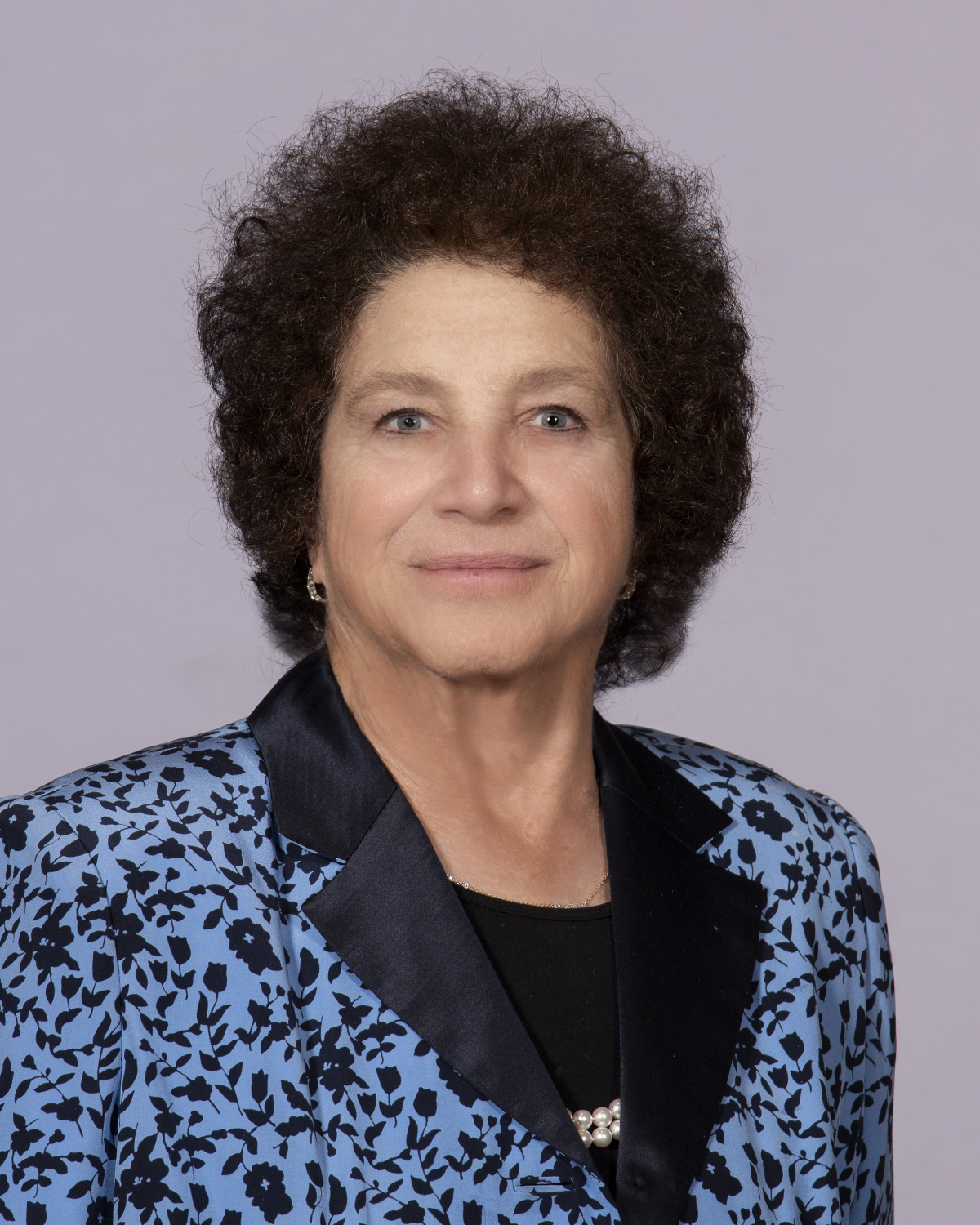
Sen. Cindy Rosenwald
Sponsored bills
Maddy summarySB 279 establishes a new loan program to provide financing for businesses focused on building or rehabilitating housing. It allocates state funds to the Department of Business and Economic Affairs and the Business Finance Authority to administer these loans. The program directly supports small housing developers, contractors, and housing-focused nonprofits by offering them access to capital for housing projects. This policy change shifts state funding toward housing development through a dedicated loan mechanism, without specifying loan terms or interest rates.
Maddy summarySB 114 allocates $1.5 million for fiscal year 2026 to fund housing grants for community mental health centers, enabling them to retain existing housing and expand facilities (up to $50,000 per bed). It also appropriates $1 million for 2026 and $1 million for 2027 to cover non-billable costs for supported housing programs serving vulnerable individuals. The bill increases Medicaid reimbursement rates for high-acuity patients needing 24/7 support from $278 to $350 daily, with a 50% federal match. These provisions directly support community mental health centers and the people they serve in housing programs, effective July 1, 2025.
Maddy summarySB 158 would have raised the annual funding cap for New Hampshire's Community Development Finance Authority (CDF), allowing it to allocate more public funds to local community development projects. This change would directly affect community development organizations and local governments seeking financing for affordable housing, small business support, and economic revitalization initiatives. The key mechanism would have increased the maximum annual funding limit from its current level, expanding the Authority's capacity to support projects across the state. However, the bill was deemed "Inexpedient to Legislate" under Senate Rule 3-23 on October 31, 2025, and did not advance further.
Maddy summarySB 246 requires New Hampshire Medicaid and private health insurers to cover maternal depression screenings at well-child visits and during prenatal/postpartum care for new mothers. It mandates coverage for screenings at specific intervals (1, 2, 4, and 6 months postpartum) and includes referrals to mental health resources. The bill allocates $275,000 to establish a perinatal psychiatric provider consult line and $75,000 for rural maternal health EMS services. These changes directly affect new mothers and infants in New Hampshire by expanding access to mental health support during the perinatal period.
Maddy summarySB 303 would have required New Hampshire's education commissioner to compile a report on how dissolving the U.S. Department of Education would affect the state and its residents. This procedural bill, which stalled in committee with a "Inexpedient to Legislate" vote (3-2), did not create new law but sought to gather information about potential impacts on New Hampshire's education system and students. It directly concerned state education officials and New Hampshire residents who rely on federal education programs.
Maddy summarySB 132 requires New Hampshire health insurance companies to cover prosthetic devices for residents under 19 and over 19. For children, coverage includes activity-specific devices annually (with no annual limits for medically necessary devices), while adults get one activity-specific device every five years. The bill mandates coverage for all necessary materials, user instruction, and medically necessary repairs or replacements. It excludes Small Business Health Options Program (SHOP) plans and takes effect January 1, 2026.
Maddy summarySB 115 appropriates $28.87 million to fund Phase 2 of the Southern New Hampshire Regional Water Project. This funding will build regional drinking water infrastructure - like pumps, storage tanks, and pipelines - to increase water supply by over 2 million gallons daily for multiple towns affected by PFAS contamination and rising demand. The funds are nonlapsing (won't expire) and ensure no current utility ratepayer faces increased costs from new services funded by this appropriation. The bill directly affects communities in Southern New Hampshire struggling with water quality and supply challenges.
Maddy summarySB 187, titled "adopting the dentist and dental hygienist compact," would allow licensed dentists and dental hygienists to practice across state lines without obtaining separate licenses in each state where the compact is adopted. If passed, it would directly affect dental professionals seeking to work in multiple states, particularly those moving for employment or serving patients in border regions. The key provision establishes a standardized licensing framework through the interstate compact, replacing individual state licensing requirements for participating states. The bill is currently pending committee review and has not yet been enacted into law.