

Maddy summaryHB 1286 allows dentists to treat patients who decline recommended x-rays, provided the treatment doesn't violate dental standards of care. Dentists must obtain a signed waiver from patients acknowledging they waive the right to sue if injury occurs due to missing x-rays. The bill protects dentists from license penalties or disciplinary action when following this process. It amends New Hampshire's dental practice law to clarify these procedures and takes effect 60 days after passage. This directly affects dentists and patients in clinical decisions about x-ray requirements.
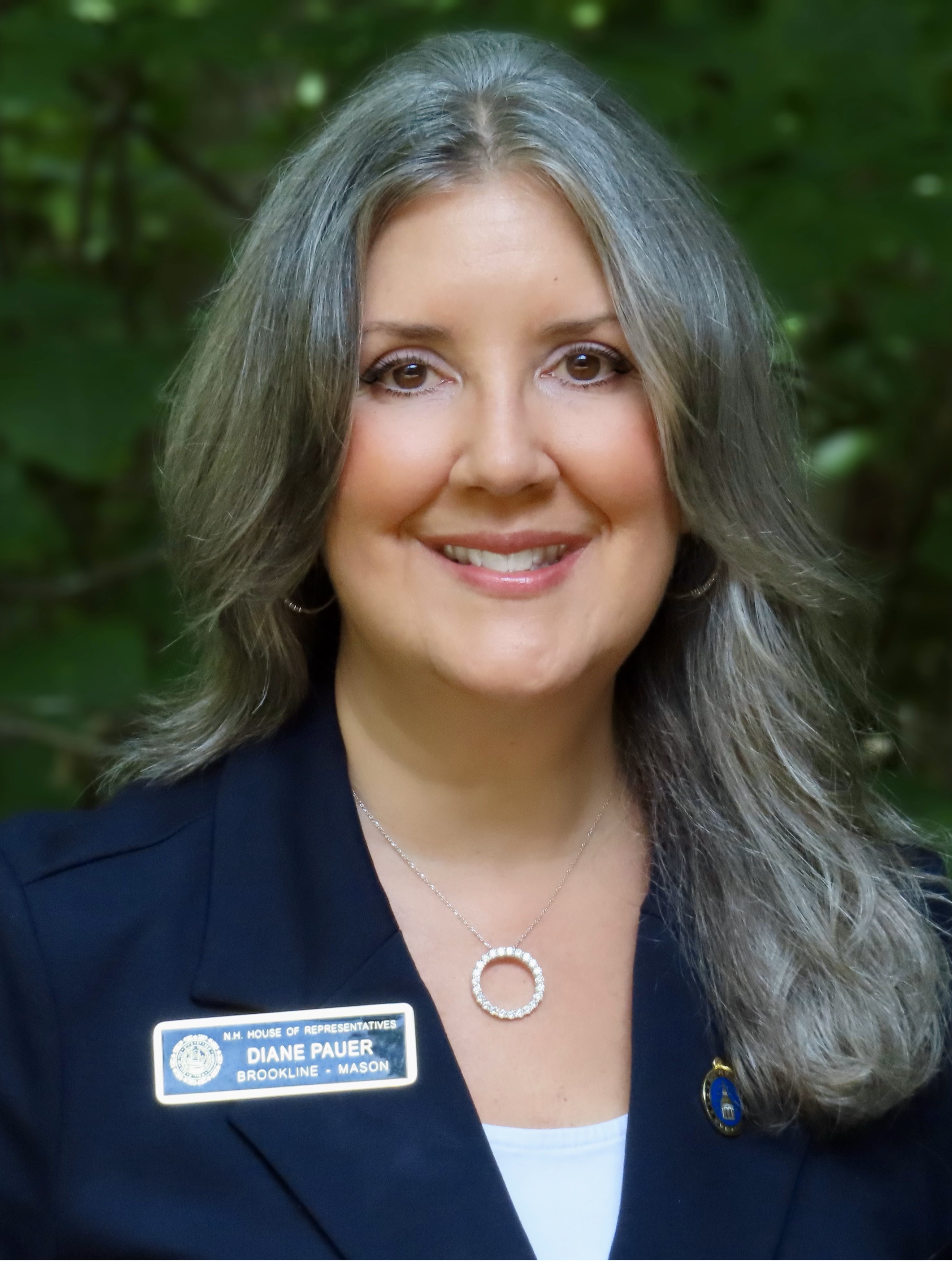
Rep. Diane Pauer
Sponsored bills
Maddy summaryHB 1295 requires nonprofit housing projects seeking property tax exemptions in New Hampshire to meet stricter eligibility criteria. Key provisions include mandating that at least 20% of residents receive services free or at reduced cost based on income, requiring transparent fee policies published online, and prohibiting the use of excess funds for personal benefit. The bill directly affects charitable housing facilities serving elderly (62+) and disabled residents that rely on tax exemptions. These requirements take effect April 1, 2027, and apply to projects operated under state law or federal housing programs.
Maddy summaryHB 1213 modifies how New Hampshire towns determine the number, selection method (elected or appointed), and term lengths (1-3 years) for local highway agents. Towns must vote at annual meetings using specific ballot questions to approve changes, which take effect after the next meeting. Current highway agents continue serving their existing terms without interruption. The bill repeals outdated rules about highway agent selection and ensures changes don’t require immediate local action.
Maddy summaryHB 1355 eliminates the automatic "default budget" option for New Hampshire towns that use official ballot referenda to vote on budgets. If a town's operating budget vote fails, the bill requires the governing body to hold a special meeting to create a new budget instead of automatically adopting the previous year's budget (adjusted for certain changes). This directly affects towns using the official ballot voting method for budget decisions. The key change removes the default budget from ballot language and procedures, mandating a new budget process through a special meeting when the initial vote fails. The bill focuses on procedural changes to budget approval, not on budget content or funding levels.
Maddy summaryHB 1224 modifies how towns calculate their default budget when no new budget is approved by the deadline. It specifically allows funding for vacant public safety positions (like police, fire, or emergency medical roles) that were listed in last year's approved budget, provided they remain vacant before the previous budget was approved. Unspent funds for these positions must reduce local taxes instead of being reallocated to other budget areas. This change directly affects New Hampshire towns using the default budget process for official ballot town meetings. The bill takes effect January 1, 2027.
Maddy summaryHB 1319 allows towns, village districts, and school districts to establish or disband local committees that annually review government spending to identify cost-saving opportunities. To adopt such a committee, a local government must hold a vote at its annual meeting using specific ballot language asking for approval, with a majority vote required. If created, the committee (called FACTS) would consist of 3-7 members serving staggered 3-year terms, tasked with evaluating spending efficiency to provide better value for taxpayers. This applies to towns using town meetings or official ballot systems, school districts, and village districts with certain budget processes.
Maddy summaryHB 1246 limits conflicts of interest for planning board members who serve on other local boards. It prohibits a planning board member from voting on both a planning board and a zoning board when reviewing the same development project, requiring them to recuse from voting on matters they've already decided as a zoning board member. The bill directly affects planning board members holding dual roles on zoning boards or other boards like conservation commissions, with the key provision mandating single-board voting for overlapping matters. This change aims to clarify voting responsibilities in land use decisions under New Hampshire law.
Maddy summaryHB 1711 requires state, county, town, city, school district, or university entities to provide 60 days' written notice to local governing bodies before changing or starting a new public land use on government-owned or occupied property. The notice must include project plans, a schedule, and a statement confirming the use is "governmental" (as defined in the bill). Local governing bodies must then hold a public hearing within 45 days to review the proposal, after which they may issue nonbinding comments on whether the project aligns with local land use rules. This applies to all government land uses, including construction or development, but does not affect non-governmental uses on public property, which remain subject to local regulations.
Maddy summaryHB 1759 changes the process for disqualifying local land use board members by making the board's vote on disqualification binding, not advisory. If a majority of board members vote that a member should be disqualified due to a conflict of interest, that member must step aside from the matter. The bill requires such votes to occur before or at the start of public hearings and limits who can request a disqualification vote to board members (or as allowed by local rules). This directly affects local land use board members facing potential conflicts during zoning or development decisions.
Maddy summaryHB 1066 amends New Hampshire municipal laws to clarify and expand how lease agreements are defined and managed. It defines "lease" to include lease-purchase, sale-lease-back, and similar agreements for property, equipment, or facilities under RSA 33:7-e/f. The bill requires public hearings for municipal leases exceeding $100,000 (aligning with existing bond hearing rules) and ensures lease funds remain available until projects are completed, preventing premature budget lapsing. This directly affects towns, cities, and unincorporated areas in New Hampshire that use lease financing for infrastructure or equipment.