Issue · Immigration

Immigration

Every immigration bill, vote, and legislator stance in New Hampshire, automatically classified by Maddy, our AI policy reader.

Total bills
19
2026 Regular Session
Top supporter
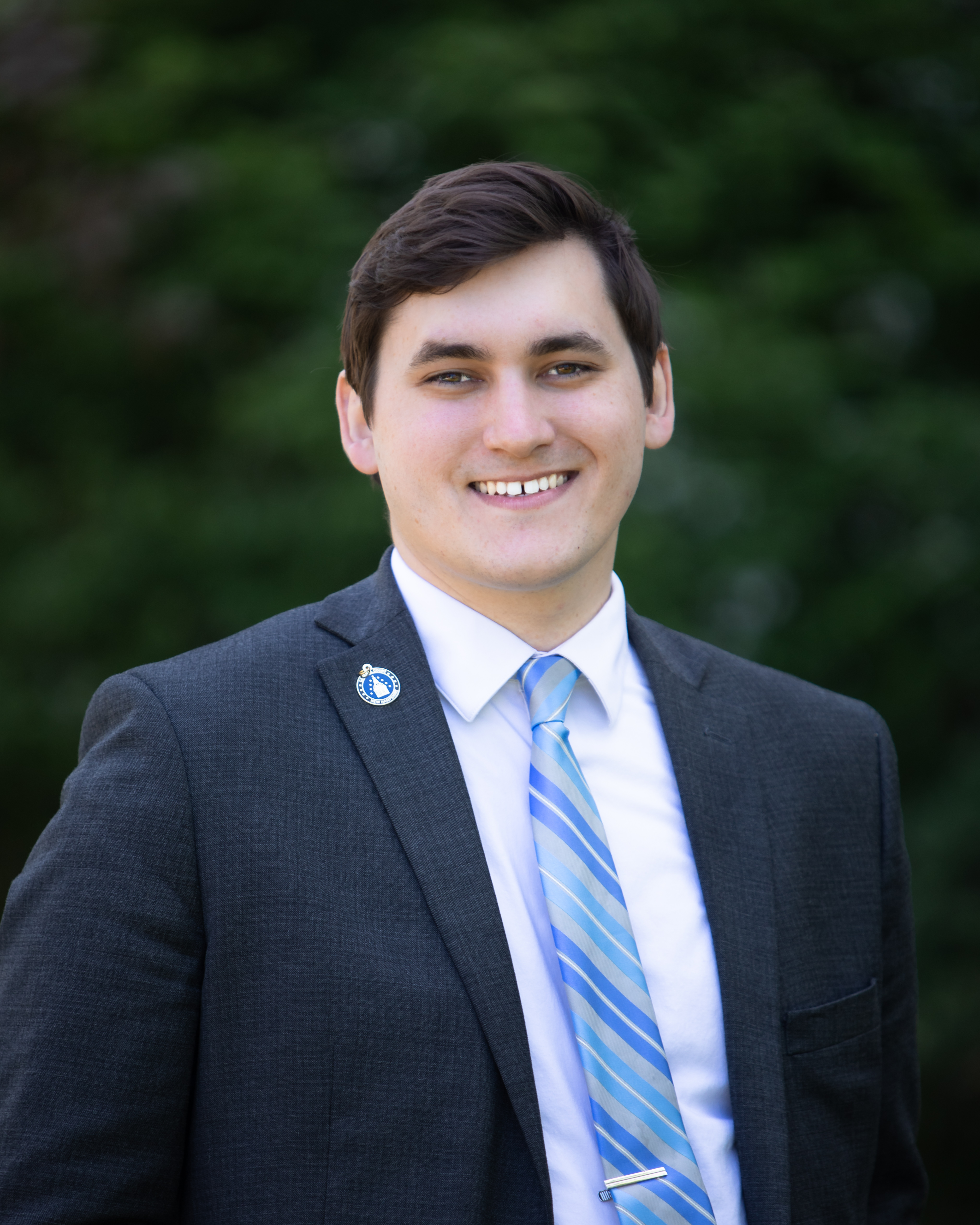
Heath Howard
73% support rate
Top opponent
Matt Coker
22% support rate
Ranked legislators
10
5 support · 5 oppose
Key legislators

Who's moving immigration in New Hampshire

Legislators moving immigration in New Hampshire
Legislator Party Stance Support rate Votes
Heath Howard
Heath Howard House · District Strafford 4
D
Support
73% 88
James Roesener
James Roesener House · District Merrimack 22
D
Support
70% 66
Mark Vallone
Mark Vallone House · District Rockingham 5
D
Support
69% 70
Merryl Gibbs
Merryl Gibbs House · District Merrimack 23
D
Support
67% 56
Billie Butler
Billie Butler House · District Strafford 12
D
Support
64% 86
Matt Coker
Matt Coker House · District Belknap 2
R
Oppose
22% 64
Beth Richards
Beth Richards House · District Merrimack 17
D
Oppose
29% 43
Jeff Tenczar
Jeff Tenczar House · District Hillsborough 1
R
Oppose
33% 48
Kevin Verville
Kevin Verville House · District Rockingham 2
R
Oppose
36% 57
Matt Drew
Matt Drew House · District Hillsborough 19
R
Oppose
36% 83
Showing 11–19 of 19 bills

All immigration bills

signed · New Hampshire · House Jul 16, 2026

HB 1062: authorizing the secretary of state to conduct random audits of the citizenship qualification of registered voters.

HB 1062 authorizes New Hampshire's Secretary of State to randomly audit the citizenship status of registered voters who provided a "qualified voter affidavit" as proof of citizenship. The bill requires using government and private databases to verify citizenship, with confirmed citizens marked in the voter database to avoid future audits. If audits suggest non-citizenship, the findings are sent to the Attorney General for review. This directly affects registered voters who used the affidavit method during registration, adding a verification step to the voter registration process. The law does not change voting eligibility but adds a new administrative check for citizenship.
died · New Hampshire · House Mar 3, 2026

HB 1302: relative to post-arrest photograph distribution by law enforcement officers.

HB 1302 prohibits law enforcement from publicly releasing mugshots of individuals arrested for nonviolent offenses before they are convicted. This applies to all such photographs taken during arrest, with exceptions only for immediate public safety threats (e.g., locating a dangerous suspect) or when a defendant fails to appear in court after bail. The bill also specifies that these restrictions do not apply to individuals unlawfully present in the U.S., who may have mugshots released regardless of conviction status. Law enforcement must document any permitted release, including the reason and recipient. The policy aims to reduce reputational harm for unconvicted individuals while maintaining public safety exceptions.
Sub-Topics Courts Law Enforcement
signed · New Hampshire · House Jun 2, 2026

HB 1499: relative to additional grounds for eviction under the landlord and tenant statute, relative to the responsibility of local school districts to provide meals to students during school hours, and reimbursing schools for meals provided to students at no cost and making an appropriation therefor.

HB 1499 would expand eviction grounds under New Hampshire's landlord and tenant law by adding three specific conditions: (1) a tenant or occupant being unlawfully present in the U.S., (2) a recent conviction (within 3 years) for certain violent crimes or drug offenses, or (3) being a registered sexual offender under state law. This bill directly affects tenants who meet these criteria, allowing landlords to seek eviction based on these new grounds. The key provision modifies the existing statute to include these three categories as valid reasons for termination of tenancy. The bill takes effect 60 days after passage and does not require new state funding.
failed · New Hampshire · House Apr 10, 2026

HB 1706: repealing the refugee resettlement program in the department of health and human services and prohibiting expenditure of state funds on refugee resettlement.

HB 1706 repeals New Hampshire's state-administered refugee resettlement program and prohibits state agencies from using state funds for refugee resettlement activities. The bill specifically requires the Department of Health and Human Services to terminate existing contracts related to refugee resettlement (such as the U.S. Refugee Admissions Program) and bans all state spending - directly or indirectly - on resettlement efforts. It does not affect federal refugee programs or funds, as the state's involvement was limited to administering approximately $4.5 million annually in federal funds. The bill applies solely to state government actions and has no impact on existing refugee services or federal programs.
failed · New Hampshire · House Feb 12, 2026

HB 1570: relative to governmental budget authority for agreements for law enforcement agencies to participate in federal immigration enforcement.

HB 1570 requires New Hampshire law enforcement agencies to obtain written approval from their local budget authority before entering federal immigration enforcement agreements (Section 287(g) agreements with ICE). The budget authority must review the agreement, consider the estimated yearly cost to the agency (including employee hours), and notify residents before authorizing participation. Agencies must submit quarterly reports detailing costs, officer activities, and federal reimbursements, and the budget authority can terminate the agreement at any time due to cost concerns. Failure to comply results in the state withholding all state funding from the agency.
failed · New Hampshire · House Mar 13, 2026

HB 1561: prohibiting nationals of the People's Republic of China from enrollment in masters and doctorate degree programs, participation in research, and full time employment at public institutions of higher education.

HB 1561 prohibits non-U.S. citizens from the People's Republic of China (PRC nationals, including those with ties to PRC government entities) from attending New Hampshire's accredited public and private colleges and universities. It requires institutions to obtain notarized affidavits from all applicants and students confirming they are not PRC nationals, with affected individuals given 90 days to voluntarily withdraw after the law takes effect. Institutions failing to comply face daily $1,000 fines, while PRC nationals who refuse to withdraw face mandatory expulsion and potential federal referral. Violations by individuals or staff are classified as class A misdemeanors.
failed · New Hampshire · House Mar 13, 2026

HB 1609: limiting the use of state, county, and municipal funds and property for construction and operation of certain immigrant detention facilities.

HB 1609 prohibits New Hampshire state, county, and municipal governments from using public funds or property to build, operate, or pay for immigrant detention facilities, particularly those managed by private companies. It bans spending on construction, renovation, repurposing public property for detention, selling public property for such use, and making payments to private detention operators. The bill does not affect existing 287(g) agreements between local law enforcement and federal immigration authorities or the provision of health and safety services to detained individuals. Counties may face potential revenue losses if they stop cooperating with federal immigration programs, but municipalities are not expected to have financial impacts.
failed · New Hampshire · Senate Mar 5, 2026

SB 623: relative to requirements for law enforcement officers assisting in immigration enforcement.

This bill requires New Hampshire state and local law enforcement officers who assist U.S. Immigration and Customs Enforcement (ICE) under the federal 287(g) program to display their name or badge number, refrain from wearing facial coverings, and keep body-worn cameras active during these duties. It mandates that law enforcement agencies establish disciplinary measures for officers who violate these requirements and directs all complaints about violations to the state Department of Justice’s Civil Rights Unit for investigation. The bill applies only to officers participating in the 287(g) program and takes effect 60 days after enactment. It does not alter existing requirements for officers not engaged in federal immigration enforcement.
passed both · New Hampshire · House Jun 4, 2026

HB 1709: prohibiting certain unlawfully present felons from occupying or renting real property, relative to pet vendor foster home and defining pet vendor foster facility, and providing procedures for the potential confiscation of livestock involved in cruelty to animal cases.

HB 1709 requires residential rental applicants in New Hampshire to disclose in writing if they are not U.S. citizens or lawfully present in the United States. Applicants can prove lawful presence using specific documents like a New Hampshire driver's license, tribal ID, or federal identification, and landlords cannot independently verify immigration status. Violating this disclosure requirement is classified as a class B felony. The bill directly affects renters applying for housing and landlords managing residential properties in New Hampshire.
Showing 11 to 19 of 19 bills