

Maddy summarySRES 391 is a symbolic Senate resolution condemning the assassination of Charlie Kirk, a conservative campus advocate and founder of Turning Point USA, who was killed on September 10, 2025, at Utah Valley University. The resolution expresses the Senate’s strongest condemnation of the killing, extends condolences to his family (including his wife Erika and two children), and honors his work promoting civil discourse on college campuses. As a non-binding resolution, it does not create policy changes or affect any individuals through legislative action.
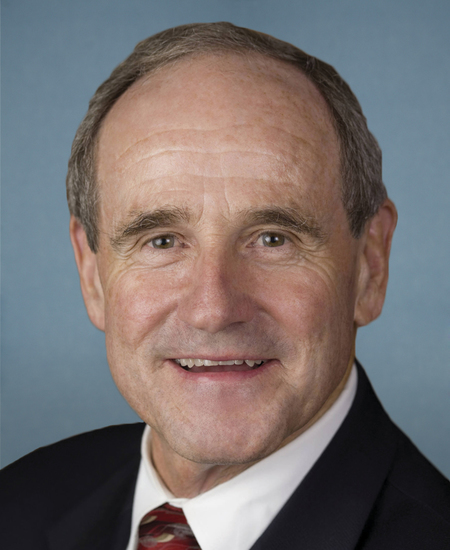
Sen. James E. Risch
Sponsored bills
Maddy summarySRES 392 is a Senate resolution designating November 16, 2025, as "National Warrior Call Day." It encourages all U.S. citizens to reach out to active-duty service members and veterans through phone calls or conversations to reduce isolation and connect them with support resources. The resolution specifically highlights the importance of peer-to-peer connections in addressing mental health challenges, citing veteran suicide statistics as context. As a symbolic measure (not a law), it does not create new programs but urges public engagement to support military personnel transitioning from service.
Maddy summaryThis bill prohibits federal agencies from enforcing any restrictions on firearm magazines based on their capacity (e.g., magazine size). It also invalidates state or local laws that limit or ban magazines by capacity, such as bans on magazines holding more than 10 rounds. The bill defines "capacity" as the number of rounds a magazine can hold and "firearm magazine" as a device storing ammunition for a firearm. These changes apply 30 days after the bill's enactment, removing federal and state-level capacity-based magazine restrictions.
Maddy summaryThis bill prohibits the Environmental Protection Agency from reallocating renewable fuel requirements from small refineries that have extended exemptions under the Clean Air Act. It directly affects small refineries with extended exemptions and the companies that would otherwise cover their renewable fuel obligations. The key provision requires the EPA to include gasoline or diesel refined by these exempt small refineries in the total fuel volume calculation for the year, preventing other entities from bearing their share of the renewable fuel mandate. This changes how renewable fuel obligations are calculated to protect consumers from potential cost increases tied to reallocated requirements.
Maddy summaryThis bill expands the federal Water Source Protection Program to include new partners like acequia associations, land-grant mercedes, and entities managing water infrastructure. It requires projects on adjacent land to have express owner consent and prioritizes initiatives protecting water supply, forest health, and climate resilience - such as restoring wetlands or reducing wildfire risks. The program increases annual funding to $30 million (2025-2034) and mandates that projects include nature-based solutions and non-Federal partner contributions. It directly affects communities managing water systems, landowners adjacent to National Forests, and tribal or rural entities with water delivery authority. The bill does not alter land ownership or conflict with existing water laws.
Maddy summaryS 2687, the CLEAN DC Act, repeals the Comprehensive Policing and Justice Reform Amendment Act of 2022 (D.C. Law 24-345). This bill directly affects Washington, D.C.'s policing laws and regulations by restoring all prior legal provisions that were amended or repealed by the 2022 law. The key mechanism is a straightforward repeal, returning the District's policing framework to its pre-2022 state without creating new policies. The bill does not introduce new provisions but reverses specific changes enacted in 2022.
Maddy summaryThis resolution commemorates the one-year anniversary of the July 13, 2024, attempted assassination of President Donald J. Trump in Butler, Pennsylvania. It condemns the attack and other threats against political officials, honors victims Corey D. Comperatore (who died shielding his family), David Dutch, and James Copenhaver (who were injured), and expresses gratitude to first responders. The resolution also condemns incitement of violence against elected officials and calls for unity against political violence. As a symbolic gesture, it does not create new laws or policies but formally states the Senate’s position.
Maddy summaryThe International Trafficking Victims Protection Reauthorization Act of 2025 reauthorizes U.S. efforts to combat human trafficking globally. It requires U.S. representatives at multilateral development banks to ensure anti-trafficking strategies are included in projects in countries identified as having significant trafficking problems (Tier 2 Watch List, Tier 3, or Special Cases in the annual Trafficking in Persons Report). The bill clarifies which foreign assistance can be withheld from countries not meeting anti-trafficking standards and expands protections for domestic workers employed by diplomatic personnel (A-3 and G-5 visa holders), including requiring wage reporting and providing information about workers' rights. It also extends funding for programs to end modern slavery and mandates regular congressional briefings on trafficking reports and waiver decisions.
Maddy summaryThis bill prohibits the Small Business Administration (SBA) from denying financial assistance - such as loans or guarantees - to firearm-related businesses solely based on their industry. It directly affects firearm entities (manufacturers, sellers, and distributors), firearm entity affiliates (like shooting ranges), and firearm trade associations by requiring the SBA to treat them equally under existing programs. The key provision bans SBA policies that discriminate against these applicants, ensuring they can access standard SBA support without industry-based barriers. The bill does not create new funding but mandates equal treatment for eligible applicants already covered by SBA law.
Maddy summaryThis bill renames the Endangered Species Act of 1973 to the "Endangered Species Recovery Act" and updates all federal references to the law to reflect the new name. It does not change any conservation protections, listing procedures, or recovery requirements for species. The bill directly affects federal agencies, courts, and documents that cite the law, requiring them to use the new title. This is a procedural change with no substantive policy impact on species protection.