

Maddy summaryHR 2072 allows hydropower project licensees to request extended construction timelines from the Federal Energy Regulatory Commission (FERC). It specifically applies to projects licensed before March 13, 2020, with original construction deadlines expiring after December 31, 2023. FERC may extend the construction period by up to 6 additional years (in 2-year increments) if a licensee demonstrates good cause, and will automatically reinstate expired licenses for affected projects upon the bill's enactment. This bill directly affects hydropower developers whose licenses were nearing expiration due to delays, providing administrative flexibility without changing core licensing requirements.
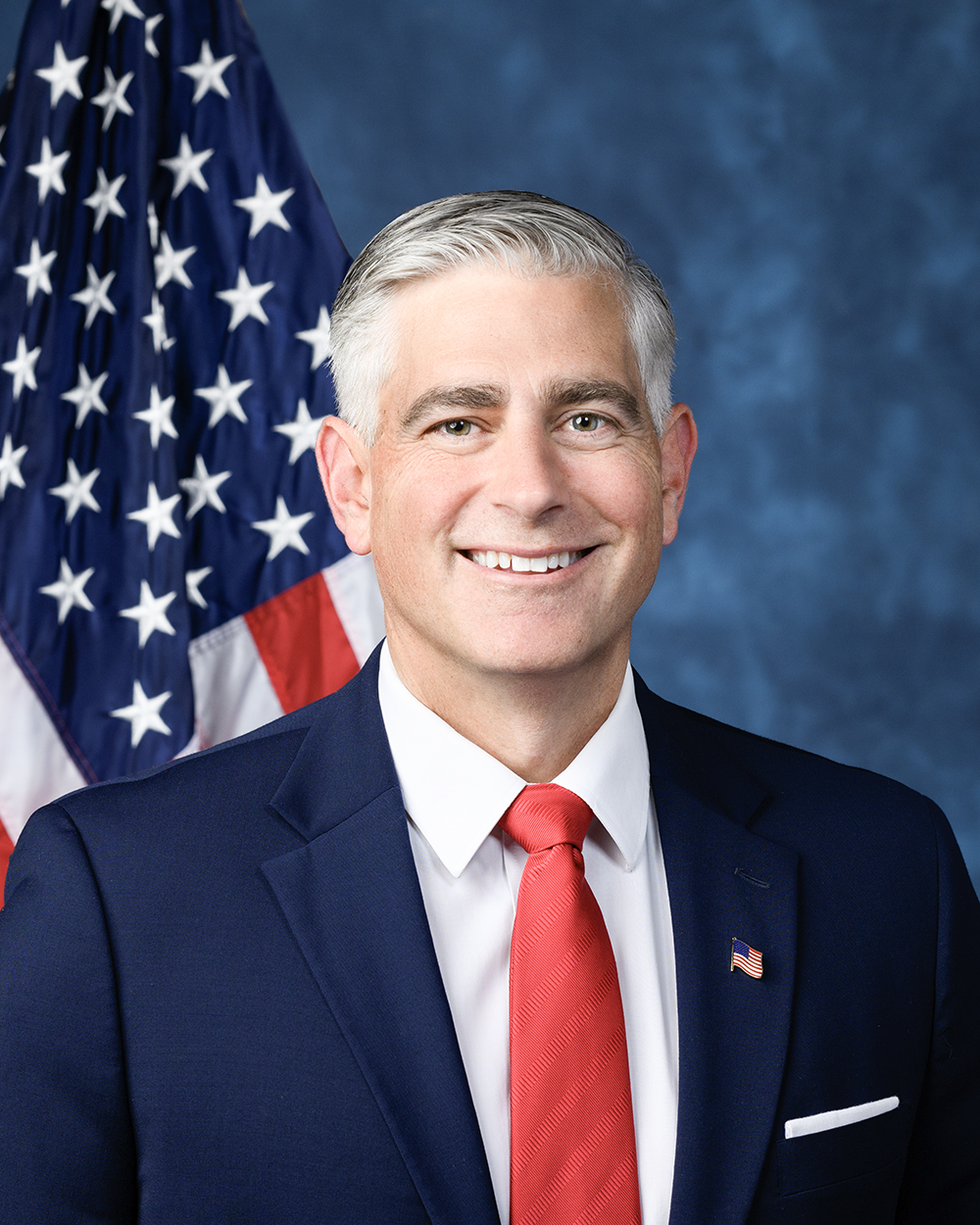
Rep. Michael Baumgartner
Sponsored bills
Maddy summaryThis resolution expresses the House's view that the Football Bowl Subdivision (FBS) postseason should be restructured to prioritize broader athletic opportunity, financial sustainability, and competitive balance. It specifically highlights Coach Mike Leach's proposal for a larger, bracket-style playoff (e.g., 16-64 teams) paired with a shorter regular season, noting current CFP limitations (only 12 teams selected, 27 teams in CFP era) and financial inequities (SEC/Big Ten receive ~29% of revenue each, 70% of schools lose money on bowls). The resolution urges evaluating reforms to reduce anticompetitive effects, referencing successful broader-bracket models used in NCAA Divisions I FCS, II, and III. It does not mandate changes but calls for serious consideration of proposals that could expand participation and distribute benefits more widely.
Maddy summaryThis bill amends the definition of "adequate consideration" in retirement law to clarify how Employee Stock Ownership Plans (ESOPs) value company stock. It allows ESOP fiduciaries (plan managers) to rely on independent appraisals that follow IRS guidelines (Revenue Ruling 59-60) when determining the fair value of company stock for retirement decisions. The change directly affects ESOPs and the companies that use them to provide employee retirement benefits. It simplifies the valuation process for these plans by establishing a clear standard for acceptable appraisals.
Maddy summaryHR 3453, the Empower Charter School Educators to Lead Act, creates new federal grants to help educator-led teams plan and open charter schools. It provides up to $100,000 per team for pre-charter planning, targeting groups led by educators with at least 4.5 years of school-based experience (including after-school programs) and a demonstrated ability to lead. To qualify, teams must submit a community needs assessment and a plan showing how their proposed school will address those needs. The bill reserves 5% of relevant funding for these educator-led grants, adjusting existing ESEA grant formulas to prioritize this new support. This directly affects educators seeking to start charter schools and the communities where those schools would operate.
Maddy summaryHR 2683, the Remote Access Security Act, amends the Export Control Reform Act of 2018 to regulate how foreign entities remotely access U.S.-controlled technology. It defines "remote access" as foreign persons accessing U.S. items (like sensitive technology) via internet or cloud services from outside the item's physical location. The bill updates existing export control rules to include remote access as a regulated activity, requiring oversight similar to physical exports or in-country transfers. This primarily affects foreign companies, cloud providers, and technology firms handling U.S.-jurisdiction items.
Maddy summaryThis bill amends the Fair Labor Standards Act to change how tipped employees' wages are calculated. It removes the previous requirement that tipped workers must "customarily and regularly receive more than $30 a month in tips" to qualify for the lower cash wage rate. Instead, it requires that the combined cash wage plus tips must equal or exceed the standard federal minimum wage for the pay period chosen by the employer (ranging from daily to monthly). The bill directly affects restaurant servers, bartenders, and other tipped workers who receive cash wages plus tips. It simplifies wage calculations for employers while ensuring tipped employees earn at least the full minimum wage when tips are included.
Maddy summaryHR 909, the Crime Victims Fund Stabilization Act of 2025, modifies how funds from the False Claims Act are deposited into the Crime Victims Fund. It specifies that from 2025 through 2029, certain False Claims Act proceeds (specifically those for qui tam plaintiff payments and government damage reimbursements) cannot be deposited into the fund. This change directly affects the composition of the Crime Victims Fund by excluding these specific revenue streams during the specified period. The bill does not create new benefits or alter victim services; it only adjusts fund allocation rules for existing False Claims Act revenues.
Maddy summaryHR 7015, the "Protecting TPLF From Abuse Act," requires transparency in civil lawsuits involving third-party litigation funders (TPLFs). It mandates that parties disclose to the court and other parties the identity of any third party funding a case (e.g., investors who fund lawsuits in exchange for a share of winnings), along with their funding agreements, within 10 days of signing the agreement or by the deadline for standard case disclosures. Exceptions apply to simple loans, reasonable interest rates, attorney fee reimbursements, or grants. The bill aims to prevent hidden financial interests from influencing litigation by ensuring courts and opposing parties can review funding arrangements, while protecting certain sensitive information like donor lists unless directly tied to the funding agreement. It applies to all civil cases filed or pending after enactment.
Maddy summaryHR 5388, the American Artificial Intelligence Leadership and Uniformity Act, imposes a 5-year regulatory moratorium on state laws restricting AI models, systems, or automated decision systems in interstate commerce. This directly affects businesses operating across state lines, particularly small businesses burdened by conflicting state regulations, by preventing new state rules during this period. The bill requires the President to develop a National AI Action Plan within 30 days, setting measurable goals for federal AI innovation, aligning with national standards, and reducing small business compliance burdens. It includes specific exceptions allowing states to enforce laws that facilitate AI deployment or handle criminal penalties, while explicitly preserving federal and generally applicable criminal laws. The moratorium aims to create regulatory certainty during the development of national AI governance standards.
Maddy summaryThe "Peace Through Strength Against Russia Act of 2025" proposes to significantly expand and strengthen U.S. sanctions against the Russian Federation and its supporters. The bill mandates blocking property and restricting visas for Russian government officials, state-owned financial institutions, and entities supporting Russia's defense industrial base or war efforts in Ukraine, including those involved in kidnapping Ukrainian children. Key provisions prohibit U.S