

Maddy summaryThe FASTER Act of 2026 expands the list of major food allergens regulated by the FDA to include barley, rye, and oats alongside wheat. This change requires food manufacturers to clearly label these gluten-containing grains, helping consumers with allergies and Celiac disease identify potential triggers. The law also mandates that the FDA update its compliance guides within a year to reflect these new allergen categories. Additionally, the bill directs the Department of Health and Human Services to produce a comprehensive report on Celiac disease, covering data on prevalence, diagnostic methods, prevention strategies, and potential treatments. These provisions apply to all foods entering the market starting one year after the law is enacted.
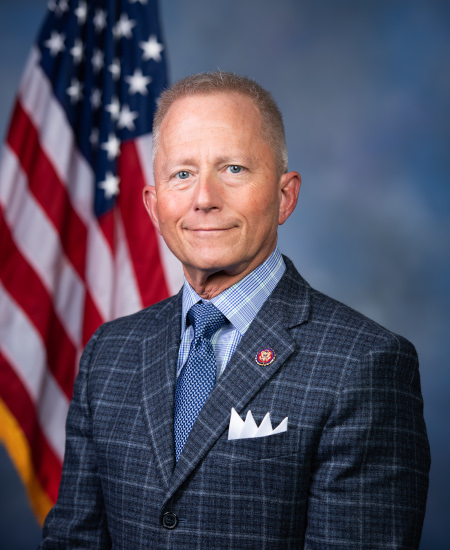
Rep. Jefferson Van Drew
Sponsored bills
Maddy summaryThis bill reauthorizes and expands the Accelerating Access to Critical Therapies for ALS Act through 2031, extending funding for research into treatments for amyotrophic lateral sclerosis. It requires drug manufacturers to share interim clinical trial data with the FDA to better assess the progress of investigational drugs and clarifies that phase 3 clinical trial definitions include combined phase 2/3 trials and planned trials not yet enrolling participants. The legislation also mandates the FDA to publish an updated five-year action plan for ALS and other rare neurodegenerative diseases, including resource needs and coordination strategies with broader disease communities. Additionally, the bill requires the Government Accountability Office to submit a report on the program's implementation four years after enactment.
Maddy summaryThe Public Safety Officers' Benefits Enhancement Act of 2026 modifies how public safety officers can claim federal benefits related to line-of-duty injuries. It simplifies the claims process by removing a requirement that injuries must be caused by factors other than pre-existing cardiovascular risks and extends the time limit for reporting certain incidents from 24 to 72 hours. These changes apply to any benefit claims that are pending or filed after the law is enacted. The bill directly affects public safety officers seeking compensation for work-related injuries.
Maddy summaryThe ORTHO Act directs the Federal Trade Commission to create new rules requiring dentists to perform an in-person examination before providing most dental services or medical devices through teledentistry. This requirement includes exceptions for emergency care, approved public health programs, and specific orthodontic diagnoses that must still be confirmed by an in-person visit and review of X-rays before a patient begins using an appliance. Violations of these rules would be treated as unfair or deceptive practices, allowing both the FTC and state attorneys general to enforce the law through civil penalties and potential damages. The bill also clarifies that states retain the ability to adopt additional regulations that are consistent with these federal standards.
This bill designates the facility of the United States Postal Service located at 16 Rev Dr Martin Luther King Jr Drive in Willingboro, New Jersey, as the "James A. Cotten Post Office".
Maddy summaryThis bill establishes a temporary funding mechanism for the United States Victims of State Sponsored Terrorism Fund by requiring the Treasury Department to loan $3 billion annually to the fund for fiscal years 2027, 2028, and 2029. The borrowed money must be distributed immediately to victims as part of the annual payment and cannot be saved for future use. Interest on these loans will be set by the Treasury based on market rates and will be repaid only from future fines and penalties collected from state sponsors of terrorism after the fund ends. The authority to make these loans expires on September 30, 2029, and the funds are treated as direct spending rather than new appropriations.
Maddy summaryThe Fit Future Act establishes the President's Council on Sports, Fitness, and Nutrition, a group of up to 30 appointed members who serve without pay to advise the President and the Department of Health and Human Services. This council is tasked with developing strategies to revive the Presidential Fitness Test, promoting school-based physical education programs, and setting new fitness goals for American youth. Additionally, the council will recommend campaigns to address childhood obesity and national security concerns related to sedentary lifestyles, while receiving administrative support and funding from the Department of Health and Human Services.
Maddy summaryHR 6213, the Heat Workforce Standards Act of 2025, prohibits the U.S. Department of Labor from finalizing, implementing, or enforcing OSHA's proposed "Heat Injury and Illness Prevention" standard (published August 30, 2024). This bill directly blocks the specific regulatory proposal targeting heat safety in both outdoor and indoor work settings. It does not create new requirements or affect workers; it solely prevents the implementation of the existing OSHA proposal. The bill is procedural, focusing on halting a regulatory action rather than establishing new policy.
Maddy summaryThis bill reauthorizes federal programs focused on preventing and responding to tick-borne diseases through 2026-2030, extending existing efforts beyond their previous expiration. It updates the National Strategy for Vector-Borne Diseases to emphasize identifying, reporting, preventing, and responding to these illnesses. The bill modifies two sections of the Public Health Service Act to continue funding for health departments working on vector-borne disease control. It directly affects public health programs and state/local health departments managing tick-borne disease prevention and response.
Maddy summaryThis bill requires Medicare to create separate payment codes for ultralightweight manual wheelchairs based on their frame material (specifically titanium or carbon fiber vs. other materials), starting in 2026. It ensures Medicare pays the standard rate for titanium/carbon fiber wheelchairs regardless of material, while allowing suppliers to charge beneficiaries the difference between Medicare's payment and their actual cost. Beneficiaries must receive a notice about potential additional costs before purchasing or renting such wheelchairs. The bill directly affects Medicare beneficiaries needing these specialized wheelchairs and the suppliers who provide them.