

Maddy summaryThe Rural Health Resilience Act of 2026 creates a new program to provide loans and loan guarantees to struggling health facilities in rural areas to prevent them from closing or cutting essential services. This assistance is available to various types of rural hospitals, clinics, and behavioral health centers that demonstrate financial distress through metrics like low operating margins or insufficient cash reserves. The funds can be used for facility repairs, covering operational costs such as payroll and supplies, paying down debt, or bridging gaps in insurance reimbursements. Additionally, the program prioritizes support for sole community providers and areas with high poverty rates, and requires the Secretary of Agriculture to report on the program's outcomes to Congress within 18 months.
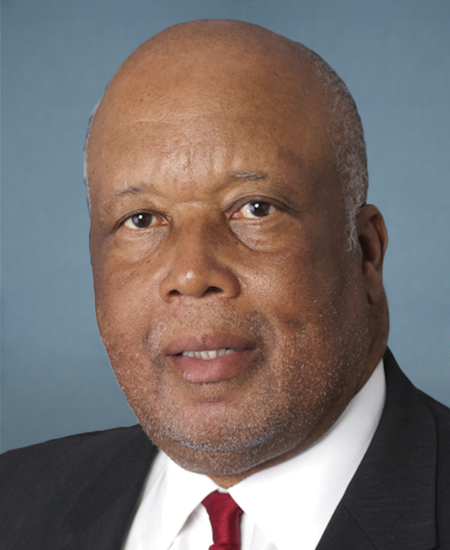
Rep. Bennie G. Thompson
Sponsored bills
Maddy summaryThe Save SNAP Act of 2026 modifies how federal funding is allocated to states for the Supplemental Nutrition Assistance Program. It creates a hardship exception that allows the federal government to cover the full cost of food benefits for any state that cannot pay its required share due to financial difficulties. This change ensures that states facing unexpected budget shortfalls will not be forced to reduce or delay SNAP benefits for their residents. The new provisions take effect on October 1, 2026.
Maddy summaryThe HARVEST Act directs the Secretary of Agriculture to conduct a study by September 30, 2026, on how to better support 1890 Institutions in providing technical assistance for transferring agricultural land and assets. This initiative specifically aims to help the next generation of farmers and ranchers navigate issues related to heirs property, which is defined as land held jointly by relatives where title was acquired from a family member. The report will explore ways these educational institutions can improve their programs to facilitate the succession of farms and ranches to future generations.
Maddy summaryThis resolution designates April as "Community College Month" to recognize the significance of community colleges across the United States. It celebrates over 1,000 institutions for their role in providing accessible higher education and workforce training, and for contributing to the nation's economic prosperity.
Maddy summaryThis bill proposes a 15 percent pay increase for career employees of the Transportation Security Administration, including agents and officers who are not senior executives or high-level appointees. The raise would take effect starting with the first pay period following the law's enactment and would apply to both basic pay rates and compensation bands under the TSA's core system. The legislation directly affects TSA staff members who fall under the career employee definition, ensuring they receive the salary adjustment in their next eligible paycheck.
Maddy summaryThe Momnibus Act is a comprehensive legislative bill designed to improve maternal health outcomes across the United States by addressing social determinants of health, expanding access to care, and reducing disparities among pregnant and postpartum individuals. The bill establishes a federal task force to coordinate efforts between agencies and stakeholders to eliminate preventable maternal mortality and severe morbidity, while providing sustained funding to community-based organizations to address nonclinical factors like housing, nutrition, and transportation. Key provisions include extending WIC eligibility to 24 months postpartum, creating grants to grow and diversify the perinatal workforce, implementing respectful maternity care training for all healthcare employees, and establishing compliance programs to track and address bias in maternity care settings. The legislation also includes specific measures for incarcerated mothers, veterans, and vulnerable populations affected by climate change, alongside funding for maternal mental health services and technology-enabled care models to expand access in underserved areas.
Maddy summaryThis House Resolution supports designating the week of April 11 through April 17, 2026, as "Black Maternal Health Week." The resolution aims to bring national attention to the maternal and reproductive health crisis in the United States, specifically highlighting the importance of reducing maternal mortality and morbidity among Black women and birthing people.
Maddy summaryThe Supporting VA Families Act grants unpaid parental leave to Department of Veterans Affairs employees. This provision allows employees to take four weeks of unpaid leave within a 12-month period for the birth of a child or for adoption and foster care placements. The leave is designed to supplement existing leave policies rather than replace them, ensuring employees can balance family needs with their work responsibilities. The act defines eligible employees and children according to existing federal definitions found in Title 5 of the United States Code.
Maddy summaryThis bill establishes a 17-member Commission on Presidential Capacity to Discharge the Powers and Duties of the Office. This commission, composed primarily of medical professionals and former high-ranking executive officials, would be activated by a concurrent resolution of Congress. Its duty would be to conduct a medical examination of the President to determine if they are mentally or physically unable to discharge the powers and duties of the office due to conditions such as illness, disability, or substance use. Following the examination, the commission would report its findings and a declaration on the President's capacity to Congress and the Vice President, with any refusal by the President to undergo examination taken into consideration.
Maddy summaryThe HBCU Research Capacity Act establishes a Federal Clearinghouse within the Department of Education, in coordination with several other federal agencies, to provide Historically Black Colleges and Universities (HBCUs) with comprehensive information on federal grant opportunities. This Clearinghouse will identify grants supporting research and development and institutional capacity building at HBCUs, while also sharing best practices for securing federal funding. The Department of Education will notify HBCUs and Congress about the Clearinghouse and offer quarterly updates to participating institutions. Additionally, several federal agencies, including Defense, Energy, and the National Science Foundation, are mandated to review their grant programs to align with the Clearinghouse's recommendations and report any identified funding gaps to Congress annually.