

Maddy summaryHR 174 adds new grounds for inadmissibility and deportability related to specific fraud offenses. It targets non-citizens convicted of, or admitting to, Social Security fraud (using false account numbers/cards), identification document fraud, or fraud involving pandemic-era loans or grants (like those under the Small Business Act or American Rescue Plan). The bill amends immigration law to make such individuals ineligible for entry into the U.S. or subject to removal. It directly affects non-citizens who commit these defined offenses, not general fraud cases. The policy change is limited to these specific fraud categories tied to federal pandemic programs and Social Security/ID documents.
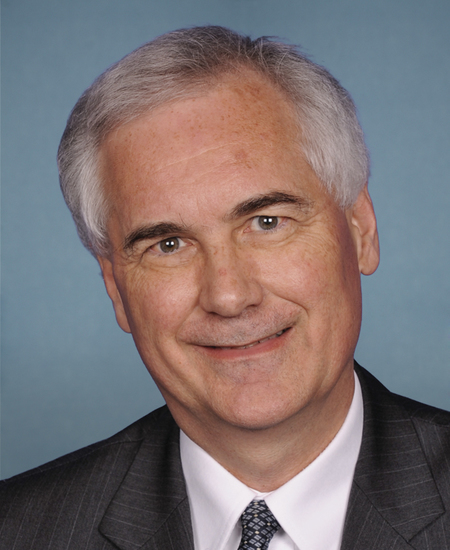
Rep. Tom McClintock
Sponsored bills
Maddy summaryHR 182, the Default Prevention Act, establishes a priority system for paying U.S. government obligations when the national debt limit is reached. It requires the Treasury to first pay Tier I obligations (including Social Security, Medicare, and interest on public debt), then Tier II (defense and veterans benefits), followed by Tier III, Tier IV (federal employee pay and travel expenses), and finally Tier V (Congressional salaries), only if higher-tier payments can still be fully covered. The bill mandates weekly reports to Congress detailing payments made and unpaid across each tier. This directly affects beneficiaries of Social Security/Medicare, veterans, defense programs, federal employees, and Congress by defining which payments must be prioritized during a debt limit crisis.
Maddy summaryThis bill requires Congress to approve major federal regulations before they take effect. It would mandate that agencies submit detailed reports including cost-benefit analyses, economic impact assessments, and other information to Congress before implementing significant regulations. Major rules - defined as those with at least $100 million annual economic impact or significant effects on costs, competition, or employment - would need a joint resolution of approval from Congress within 70 session days. Nonmajor rules would follow a less stringent disapproval process. The bill aims to increase legislative oversight of the regulatory process, requiring Congress to formally review and approve rules that significantly impact the economy or public regulations.
Maddy summaryThis bill (HR 1555, Public Law 118-211) designates the U.S. Postal Service facility at 2300 Sylvan Avenue in Modesto, California, as the "Corporal Michael D. Anderson Jr. Post Office Building." It directly affects the postal facility and all official references to it, requiring future documents to use the new name. The bill has no policy provisions - its sole purpose is to honor Corporal Michael D. Anderson Jr. through this commemorative naming. It was passed by Congress and signed into law on January 2, 2025.
Maddy summaryThe Save Our Sequoias Act establishes a coordinated approach to protect giant sequoia groves in California from wildfires, insects, and drought. It creates a Giant Sequoia Lands Coalition including federal agencies, state governments, and the Tule River Indian Tribe to assess grove health, develop protection projects, and recommend forest management activities. The bill streamlines implementation of certain projects through categorical exclusion from environmental reviews, authorizes $10-40 million annually for conservation efforts, and establishes a fund for philanthropic support of sequoia protection.
Maddy summaryThe FOCA Act of 2023 requires federal agencies to stop mandating or banning contractor agreements with labor organizations (like union contracts) in construction project bids and contracts. It directly affects federal contractors, subcontractors, and agencies managing construction projects funded by the government. The bill prohibits favoring or penalizing contractors based on their labor affiliation status, aiming to promote fair competition and reduce costs. It also mandates updates to federal contracting rules within 60 days of enactment to implement these changes.
Maddy summaryThis bill requires the Secretary of Agriculture to suppress wildfires on specific National Forest System lands within 24 hours of detection. It directly affects lands classified as high-risk - those in severe drought (D2+), under National Wildland Fire Preparedness Level 5, or in the top 10% of fire exposure zones. Key provisions mandate immediate suppression of prescribed fires that exceed limits, prohibit hindering state/local firefighting efforts, and restrict using fire as a management tool to only compliant prescribed burns. Backfires or burnouts may only be initiated with an incident commander’s order or for firefighter safety, and must be controlled until extinguished.
Maddy summaryHR 262 (ALERT Act) requires federal agencies to publicly share details about upcoming regulations monthly, including cost estimates, economic impact, and legal basis. Agencies must submit this information to the Office of Information and Regulatory Affairs, which then posts it online within 30 days. Rules cannot take effect until six months after this information is publicly available, except for emergencies (e.g., health/safety threats) or national security actions. This directly affects all federal agencies that issue regulations, making their rulemaking process more transparent to the public.
Maddy summaryThis bill establishes specific water allocation requirements for Central Valley Project (CVP) agricultural contractors based on water year types, guaranteeing at least 100% of contract water in Wet and Above Normal years, 50% in Dry years, and other specified percentages in other conditions. It requires CVP and SWP operations to follow the Preferred Alternative and Biological Opinions, with strict conditions for reconsultation during severe drought periods (requiring 4 consecutive years of D3/D4 drought). The bill also includes infrastructure provisions for the Shasta Dam enlargement project and includes a 7-year sunset provision for its main operational requirements. These provisions directly affect CVP contractors, SWP contractors, and water management agencies in California.
Maddy summaryThe Proven Forest Management Act of 2022 streamlines forest management activities on National Forest System land, primarily focusing on reducing wildfire risk through fuel reduction projects. It requires the Secretary of Agriculture (managing National Forests) to coordinate with local governments and communities when planning projects, while mandating multiple ecosystem benefits like reducing forest fuels, improving water quality, and maintaining biodiversity - unless costs are deemed excessive. A key provision allows projects under 10,000 acres (with up to 3,000 acres of mechanical thinning) to bypass certain environmental reviews under the National Environmental Policy Act (NEPA), provided they align with local input and forest plans. This directly affects federal land managers and communities near National Forests by accelerating wildfire risk mitigation while maintaining ecological standards.