

Maddy summaryThis bill establishes a code of conduct for Supreme Court justices, requiring them to disclose gifts, income, and potential conflicts of interest. It creates a formal process for handling complaints about justices, including a judicial investigation panel to review allegations. The bill adds specific circumstances requiring recusal, such as when a justice or family member has financial ties to a party in a case. Additionally, it mandates that parties and amicus briefs disclose any gifts given to justices and lobbying activities related to their nomination. These provisions aim to increase transparency and accountability in the Supreme Court's operations.
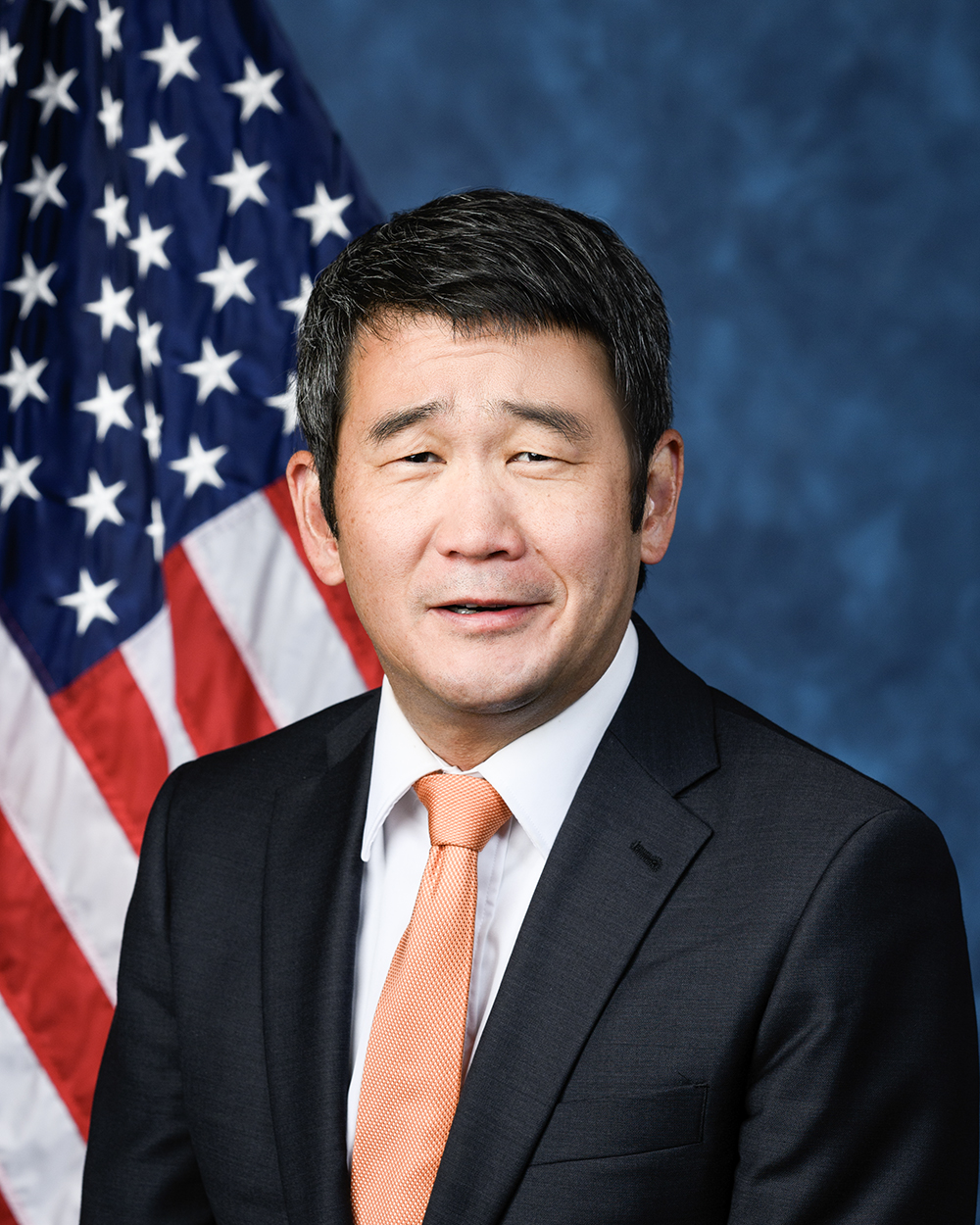
Rep. Dave Min
Sponsored bills
Maddy summaryThis bill requires the VA to notify veterans filing claims without representation about free help from recognized veterans service organizations and trained representatives. It mandates an online tool listing accredited representatives (updated quarterly) and adds fee warnings to VA websites, including links to the tool and a site for reporting unauthorized fees. The VA must also review its processes for recognizing representatives within 180 days and report findings to Congress. The bill directly affects veterans navigating VA claims by improving access to verified assistance and transparency around fees. It focuses on concrete procedural changes to enhance claimant awareness, not on outcome predictions.
Maddy summaryHR 3463 (COUNTER Act) expands the U.S. military's authority to counter drone threats by allowing the Department of Defense and Coast Guard to neutralize unmanned aircraft systems without being restricted by certain federal laws. It exempts related technology, procedures, and protocols from public disclosure requirements under federal and state laws, and permits military commanders to delegate these actions. The bill applies to both domestic and overseas operations, clarifying that other federal laws do not apply to U.S. military or Coast Guard activities mitigating drone threats abroad. Key changes include broadening legal authority beyond previous restrictions and extending reporting deadlines for related activities.
Maddy summaryHR 3473, the Humane Accountability Act, requires U.S. Customs and Border Protection (CBP), Immigration and Customs Enforcement (ICE), and the Office of Refugee Resettlement (ORR) to submit detailed reports to Congress about immigration detentions and facility conditions. It mandates specific data on detention numbers, removals, locations (including sensitive sites like schools), and incidents of abuse, medical care, or deaths in custody. The bill also requires advance notice to Congress before using non-traditional detention sites (such as military bases or tribal lands), including justification, capacity, and compliance plans. These reports aim to increase transparency for detainees, their families, and Congress regarding detention practices. The bill directly affects immigration detention facilities, immigrant detainees, and federal agencies managing immigration enforcement.
Maddy summaryThis bill restores a tax deduction for personal losses caused by disasters, crimes, or scams (like stolen property or damage from hurricanes). It directly affects taxpayers who filed returns before 2025 but couldn’t claim this deduction due to a prior suspension. The bill reinstates the deduction and extends the deadline to file refund claims for these losses until the tax filing deadline for the year the bill becomes law. This allows eligible individuals to claim refunds they were previously barred from receiving.
Maddy summaryThis bill clarifies that the President has no constitutional authority to withhold funds Congress has appropriated. It creates new legal mechanisms allowing private citizens and state/local governments to sue the federal government for impoundments of appropriated funds. The bill strengthens the Comptroller General's oversight role by requiring executive branch cooperation in investigations of potential violations. Federal employees who knowingly violate these provisions would face personal liability and lose immunity protections. The legislation aims to reinforce Congress's constitutional authority over the budget process.
Maddy summaryHRES 410 is a non-binding House resolution requiring President Trump to comply with the Constitution’s Foreign Emoluments Clause regarding a $400 million Boeing 747-8 jet gift from Qatar’s royal family. It directs the President to immediately submit all plans for the aircraft to Congress and obtain explicit congressional consent before accepting it, as required by the Constitution. The resolution cites historical precedent where all prior presidents sought Congress’s approval for foreign gifts, including items like medals, horses, and the Statue of Liberty. It emphasizes that accepting the jet without consent would violate the Constitution and pose national security risks. The bill focuses solely on procedural compliance, not the merits of the gift itself.
Maddy summaryHR 3389, the Alzheimer’s Law Enforcement Education Act of 2025, requires the Justice Department to create an online training course for law enforcement officers within one year of the bill’s enactment. The course will teach officers how to interact with people experiencing Alzheimer’s or dementia, including recognizing symptoms, communicating effectively, avoiding physical restraints, and identifying abuse. It mandates that states count completion of this course toward required training hours for law enforcement officers, correctional officers, and probation officers. The bill directly affects state and local law enforcement agencies by establishing standardized training on dementia care for their personnel.
Maddy summaryHRES 407 is a symbolic House resolution designating May 10, 2025, as "National Asian American, Native Hawaiian, and Pacific Islander Mental Health Day." It directly recognizes the mental health disparities faced by AANHPI communities, including lower service utilization rates and higher youth suicide rates. The resolution encourages federal, state, and local health agencies to improve mental health awareness and access for these communities. It does not create new laws or funding but formally supports efforts to address cultural barriers in mental health care. The designation aligns with May's existing observances of AANHPI Heritage Month and Mental Health Awareness Month.
Maddy summaryHR 3368, the "Born in the USA Act of 2025," prohibits federal funding for Executive Order 14160 (which aimed to restrict birthright citizenship for children born in the U.S.). The bill directly affects federal agencies that might implement the executive order by blocking their use of funds for that purpose. Its key provision is a funding ban targeting the executive order and any similar future policies, without changing citizenship law. The bill does not alter birthright citizenship rights but prevents federal resources from being used to enforce the controversial executive order. It is a procedural measure focused on funding, not a substantive policy change to citizenship rules.