

Maddy summaryThis resolution expresses the sense of the House of Representatives that open water lifeguards qualify as first responders and emergency response providers. It recognizes their essential, lifesaving work and reaffirms their role in protecting lives, property, evidence, and the environment.
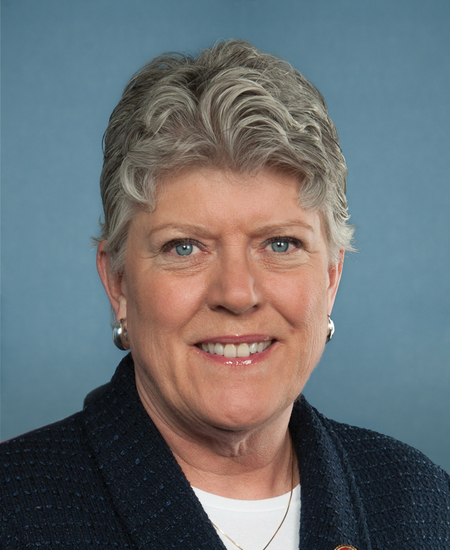
Rep. Julia Brownley
Sponsored bills
Maddy summaryThe Momnibus Act is a comprehensive legislative bill designed to improve maternal health outcomes across the United States by addressing social determinants of health, expanding access to care, and reducing disparities among pregnant and postpartum individuals. The bill establishes a federal task force to coordinate efforts between agencies and stakeholders to eliminate preventable maternal mortality and severe morbidity, while providing sustained funding to community-based organizations to address nonclinical factors like housing, nutrition, and transportation. Key provisions include extending WIC eligibility to 24 months postpartum, creating grants to grow and diversify the perinatal workforce, implementing respectful maternity care training for all healthcare employees, and establishing compliance programs to track and address bias in maternity care settings. The legislation also includes specific measures for incarcerated mothers, veterans, and vulnerable populations affected by climate change, alongside funding for maternal mental health services and technology-enabled care models to expand access in underserved areas.
Maddy summaryThe Transit Workforce Development Act expands how federal grants for buses and bus facilities can be used for workforce training. It increases the portion of these grants that transit agencies can dedicate to workforce development from 5% to 10% of the allocated funds. Additionally, the bill broadens the types of training eligible for these funds, allowing them to cover all buses, related equipment, and facility construction,
Maddy summaryThis concurrent resolution (HCONRES 40) directs the President to remove U.S. military forces from hostilities with Iran, as required by the War Powers Resolution. It applies directly to U.S. Armed Forces deployed in conflict with Iran, except for forces needed to defend the U.S. or allies from imminent attack. The bill mandates removal unless the President complies with War Powers Resolution reporting requirements for self-defense actions, without needing new congressional authorization. As a procedural resolution, it does not create new law but compels executive action under existing legal framework.
Maddy summaryThe Supporting VA Families Act grants unpaid parental leave to Department of Veterans Affairs employees. This provision allows employees to take four weeks of unpaid leave within a 12-month period for the birth of a child or for adoption and foster care placements. The leave is designed to supplement existing leave policies rather than replace them, ensuring employees can balance family needs with their work responsibilities. The act defines eligible employees and children according to existing federal definitions found in Title 5 of the United States Code.
Maddy summaryThe ALERT Act (HR 7613) requires the Federal Aviation Administration to improve aviation safety through several key measures. It mandates the evaluation and potential implementation of enhanced collision avoidance systems (ACAS-Xa) for commercial aircraft and ACAS-Xr for rotorcraft, with specific deadlines for rulemaking and installation. The bill establishes committees to develop recommendations for safety technology requirements, requires safety risk assessments for air traffic controllers, and addresses operational procedures at high-traffic airports like Ronald Reagan Washington National. These provisions affect air carriers, air traffic controllers, rotorcraft operators, and Department of Defense aircraft operations. The act aims to enhance situational awareness and reduce midair collision risks through technology upgrades and improved safety protocols.
Maddy summaryThe Senior Hunger Prevention Act of 2026 aims to reduce food insecurity among older adults and people with disabilities by modifying and expanding federal nutrition assistance programs. It streamlines the Supplemental Nutrition Assistance Program (SNAP) by extending certification periods to 36 months for these groups, creating simplified application processes, and establishing a standard medical expense deduction. The bill also expands eligibility for the Commodity Supplemental Food Program and the Seniors Farmers' Market Nutrition Program to include adults with disabilities, while increasing funding and benefits for these programs. Additionally, it establishes a pilot program for SNAP enrollment outreach, creates a new program to reimburse retail food stores for grocery delivery to eligible participants, and provides funding for farmers' market infrastructure and local produce procurement.
Maddy summaryThis bill directs the Secretary of Agriculture to create a grant program that provides financial stabilization payments to organizations representing farmworkers, meat processing workers, and grocery workers. The funding is specifically intended to support these workers in the event of natural disasters or other emergencies as determined by the Secretary. The program would be administered through the Agricultural Marketing Service and is authorized for up to $50 million. Additionally, the bill requires a report on the program's outcomes to be submitted to congressional committees within four years of enactment.
Maddy summaryThis resolution formally acknowledges historical and ongoing injustices in women's healthcare, particularly affecting marginalized groups such as Black, Indigenous, immigrant, LGBTQ+, disabled, and low-income women. It highlights specific issues including dismissed pain, lack of bodily autonomy, and past medical abuses like non-consensual sterilization and coercive contraceptive testing. The bill calls for patient-centered care, expanded research, and stronger protections for reproductive and gynecological health, while urging the federal government to address systemic bias in medical settings.
Maddy summaryThis bill directs the Secretary of Health and Human Services to conduct a study on barriers that prevent patients from accessing pain management during gynecologic procedures. The study will examine factors such as insurance coverage, provider training, and resource availability, and will include input from patients, medical professionals, and health equity experts. Within 24 months of enactment, the Secretary must submit a report with findings and recommendations to relevant congressional committees. The bill does not change current laws or funding but establishes a research requirement to inform future policy decisions.