

Maddy summaryThe PERM Backlog Reduction Act of 2026 directs the Department of Labor to create an optional premium processing program for employers seeking permanent labor certifications, a key step in sponsoring foreign workers for green cards. By paying a $1,200 fee, which is adjusted annually for inflation starting in fiscal year 2028, employers can have their applications processed within 30 calendar days, or within 15 days if they submit a request for information on a delayed case. The bill mandates that these fees be deposited into a dedicated Treasury account to cover the costs of staffing, training, fraud detection, and system upgrades necessary to run the program. Additionally, it requires that this expedited service does not slow down the standard processing times for other labor certification forms and allows for streamlined rulemaking procedures to ensure rapid implementation.
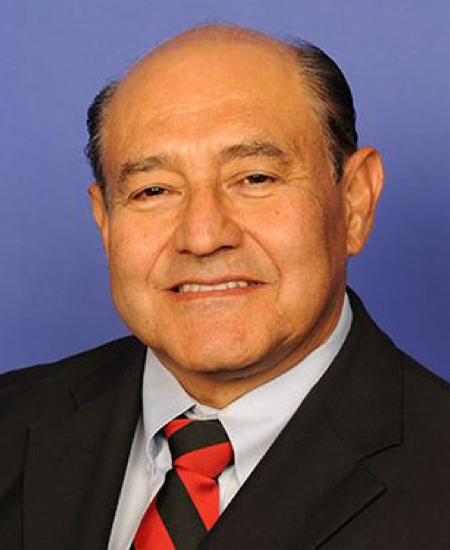
Rep. J. Luis Correa
Sponsored bills
Maddy summaryThe Truth in Labeling Act of 2026 establishes national standards for labeling packaging, food service products, and beverage containers as recyclable, compostable, reusable, or refillable to reduce consumer confusion. The bill requires the Environmental Protection Agency (EPA) and the Federal Trade Commission (FTC) to define these terms based on specific criteria, such as the existence of a responsible end market for recycling or acceptance by a certain percentage of composting programs. Producers are prohibited from using symbols like chasing arrows or making claims that a product is recyclable or compostable unless it meets these federal standards, with violations treated as deceptive practices under existing law. The legislation also mandates the creation of standardized on-package labels and digital labeling options, while establishing an advisory committee to guide the development of these criteria and enforcement mechanisms.
Maddy summaryThe Protect American Values Act prohibits the use of federal funds to implement, administer, or enforce a specific Department of Homeland Security rule regarding the "Public Charge" ground of inadmissibility. This legislation directly affects immigrants and mixed-status families by preventing the government from using public benefits as a factor in determining eligibility for lawful permanent resident status. The bill includes a statement of congressional intent arguing that the targeted rule would restrict access to essential services like food, medical care, and housing, while also negatively impacting state and local economies. By cutting off funding for this specific policy, the act aims to maintain current immigration standards and prevent what Congress describes as an unauthorized reversal of long-standing law.
This bill designates the facility of the United States Postal Service located at 6444 San Fernando Road in Glendale, California, as the "Paul Ignatius Post Office".
This bill designates the facility of the United States Postal Service located at 340 East 1st Street in Tustin, California, as the "Ursula Ellen Kennedy Post Office Building".
Maddy summaryHR 2175 designates the U.S. Postal Service facility at 130 South Patterson Avenue in Santa Barbara, California, as the "Brigadier General Frederick R. Lopez Post Office Building." The bill updates all official U.S. government references to this location to reflect the new name. This is a ceremonial naming bill with no policy changes or direct impact on residents or services.
Maddy summaryThe Stop ICE's Medical Neglect Act of 2026 requires the Department of Homeland Security to create an online system where detained individuals, their lawyers, or family members can confidentially report medical neglect at immigration detention facilities. Under this bill, an independent medical expert would review each complaint to determine if neglect occurred, ensuring necessary treatment is provided if the claim is valid while allowing for an appeal process if it is denied. The legislation also mandates that detainees cannot face retaliation for filing complaints or seeking medical care and must have access to language translation services. Additionally, the law defines specific criteria for what constitutes medical neglect, such as failures in providing timely care, medication management, or specialty referrals.
Maddy summaryThis bill, known as the Deputy Darren Almendarez Act, adds a new federal crime for knowingly possessing or purchasing catalytic converters removed from vehicles with the intent to sell or distribute them. It directly affects individuals involved in the removal and resale of these parts, as well as businesses like scrap yards and repair shops, by establishing penalties of up to five years in prison and fines of $100,000 for first offenses. The law includes specific exceptions that allow for legal possession or purchase if the converter was removed by a vehicle owner, acquired during official duties by authorized entities, or bought from licensed businesses that follow state and local identification rules. For repeat offenders, the potential prison sentence increases to ten years and the fine limit rises to $200,000.
Maddy summaryThe Federal Naming Standards Act prohibits the government from naming or renaming federal buildings, facilities, or programs after elected officials or political appointees while they are in office and for ten years after they leave. This restriction also applies indefinitely to individuals who earn more than $1 million annually from commercial use of their name or likeness, though it does not affect deceased individuals or names already established before the law takes effect. To enforce these rules, agency inspectors general must investigate complaints about violations and report their findings to agency heads and Congress within 90 days. The law allows for the incidental use of names in historical or educational contexts, provided the name is not used as the official title of a federal site or program.
Maddy summaryThis bill reauthorizes and expands the Accelerating Access to Critical Therapies for ALS Act through 2031, extending funding for research into treatments for amyotrophic lateral sclerosis. It requires drug manufacturers to share interim clinical trial data with the FDA to better assess the progress of investigational drugs and clarifies that phase 3 clinical trial definitions include combined phase 2/3 trials and planned trials not yet enrolling participants. The legislation also mandates the FDA to publish an updated five-year action plan for ALS and other rare neurodegenerative diseases, including resource needs and coordination strategies with broader disease communities. Additionally, the bill requires the Government Accountability Office to submit a report on the program's implementation four years after enactment.