

Maddy summaryThis bill adds Medicare coverage for multi-cancer early detection screening tests (blood or biological tests analyzing cell-free DNA) starting January 1, 2028. It directly affects Medicare beneficiaries aged 68 and older (starting in 2028, with the age limit increasing by 1 year annually), requiring tests to be FDA-cleared and deemed reasonable/necessary by the Secretary for early cancer detection across multiple organ sites. Payment will initially match current stool DNA test rates before 2031, then shift to a lower rate or new payment system after 2031, with limits preventing more than one test per year. The bill explicitly states it does not alter coverage for existing cancer screenings like breast, colorectal, or prostate cancer tests.
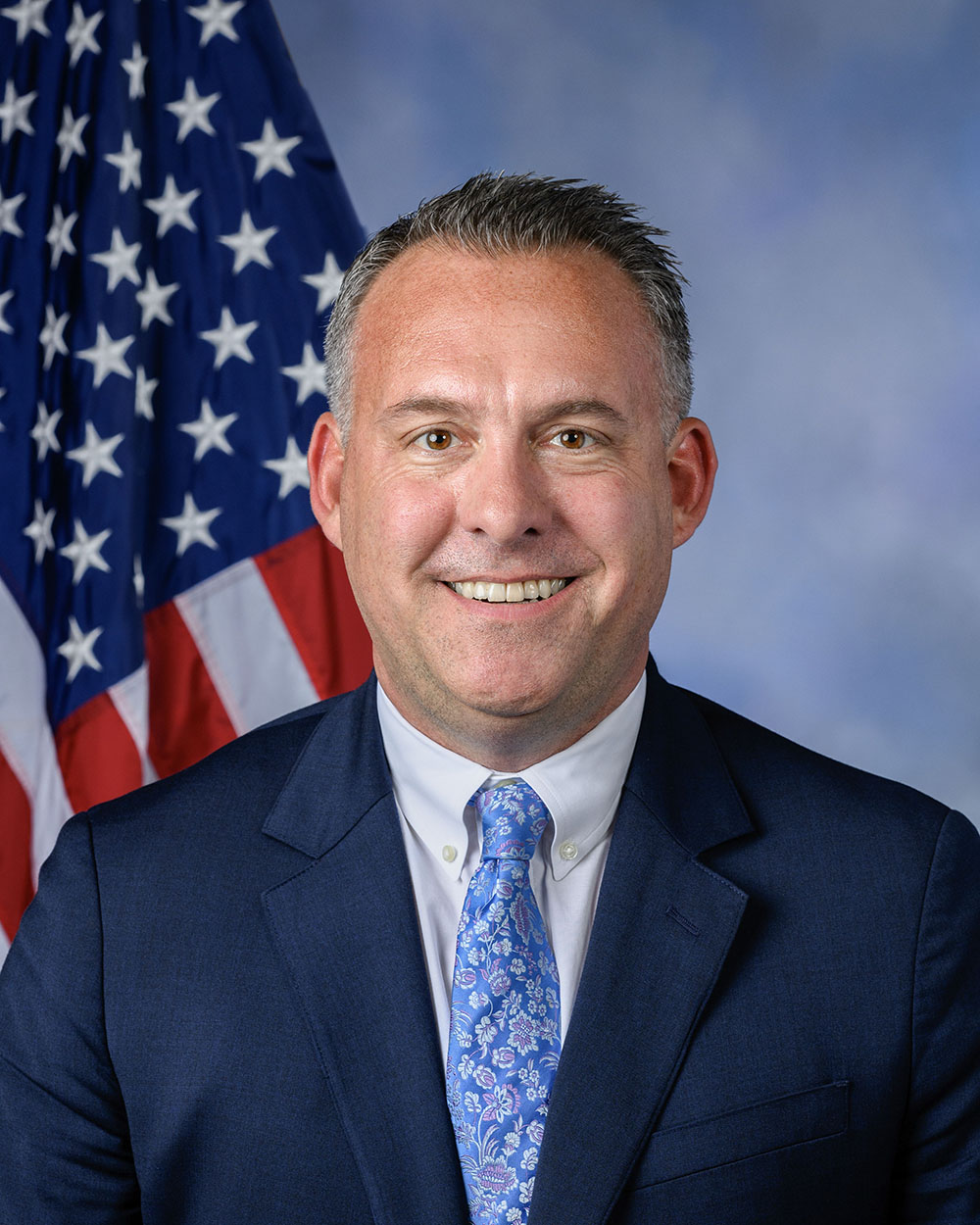
Rep. Adam Gray
Sponsored bills
Maddy summaryHR 5573, the Combatting Fentanyl Poisonings Act of 2025, creates three federal grant programs to address fentanyl-related harms. It funds state/local law enforcement to target illegal social media sales of controlled substances (including fentanyl-laced counterfeit pills) and provides education for schools and parents about fentanyl risks. Nonprofits receive grants up to $50,000 to run public awareness campaigns, produce educational materials, and offer counseling for families affected by fentanyl deaths - though funds cannot cover most harm reduction supplies (only naloxone is permitted). The bill allocates $10 million for law enforcement programs, $3 million for awareness grants, and $2 million for officer safety equipment like fentanyl test strips and naloxone training.
Maddy summaryThe SAVES Act (HR 2605) creates a 5-year pilot program where the Department of Veterans Affairs (VA) awards competitive grants to nonprofit organizations to provide service dogs to veterans with specific disabilities. It directly affects veterans with covered conditions like blindness, mobility impairments, PTSD, traumatic brain injury, or other disabilities deemed appropriate for service dog assistance by the VA. Key provisions include: grants capped at $2 million per nonprofit (with $10 million annually authorized), no fees charged to veterans, VA-provided lifetime veterinary insurance for the dogs, and requirements for nonprofits to train veterans and maintain humane animal standards. The program aims to expand access to service dogs as a support tool for veterans managing qualifying disabilities.
Maddy summaryThe Redistricting Reform Act of 2025 requires states to use independent redistricting commissions for congressional redistricting, banning partisan gerrymandering and requiring plans to comply with constitutional and Voting Rights Act standards. The bill establishes ranked criteria for redistricting, prioritizing population equality, voting rights protections, and community preservation over partisan advantage. It mandates multi-partisan commission composition with public input and transparency requirements, with states facing court-developed plans if they miss deadlines. The law would apply to redistricting after the 2030 census, affecting all 50 states' congressional district maps.
Maddy summaryHR 5401, the Pay Our Troops Act of 2026, ensures military personnel, civilian Defense workers, and supporting contractors receive pay during government funding gaps in fiscal year 2026. It appropriates emergency funds for active-duty service members, reserves, and their supporting personnel (including Coast Guard staff under DHS) if regular appropriations aren't enacted by the end of the fiscal year. The bill provides necessary pay and allowances during any period when full-year funding is unavailable, covering both active service and support roles. Funding expires when regular appropriations are passed, a funding resolution is enacted, or January 1, 2027, whichever comes first. This is a procedural measure to prevent pay delays for military and support staff during fiscal year 2026 funding lapses.
Maddy summaryThe FAMILY Act would establish a national paid family and medical leave insurance program that provides wage replacement benefits for workers needing time off for caregiving or medical reasons. It defines "qualified caregiving" to include caring for a family member with a serious health condition, personal medical needs, or recovery from violence (including domestic violence, sexual assault, or stalking). Benefits would be calculated based on earnings, with a minimum monthly benefit of $580 and maximum of $4,000, administered by a new Office of Paid Family and Medical Leave within the Social Security Administration. Eligible individuals would need to have worked for at least 8 quarters in the previous year and file an application with required documentation, while existing state paid leave programs would continue to operate alongside this federal program.
Maddy summaryThis bill extends federal funding authorization for Great Lakes fisheries research and monitoring programs. It amends existing law to change the expiration date from 2025 to 2030, ensuring continued support for these programs. The key provision directly affects federal research initiatives focused on assessing and managing fish populations in the Great Lakes Basin. This is a procedural reauthorization, not a new policy, maintaining current funding levels through 2030.
Maddy summaryThis bill directs the U.S. Department of Energy to conduct a study on how artificial intelligence (AI) and data center growth affects energy resources, with specific focus on rural and remote areas. The study will examine infrastructure needs, alternative energy sources (like solar, wind, and hydro), impacts on energy costs and reliability, and ways to speed up permitting for these facilities. It requires a report to Congress within 180 days of enactment. The bill does not create new regulations or funding but aims to inform future energy planning for AI/data center development.
Maddy summaryHR 5105, the UNLOCK Act, amends the Housing and Community Development Act of 1974 to expand eligibility for federal housing funds. It allows metropolitan cities, urban counties, states, local governments, insular areas, and tribal entities to use Section 106 funds for constructing new residential housing for low- and moderate-income residents, with or without nonprofit partnerships. The key change adds a new funding category (paragraph 27) to existing housing programs, streamlining access to resources for affordable housing projects. This bill directly affects local governments and tribal entities seeking to build or support affordable housing without requiring mandatory nonprofit involvement.
Maddy summaryHR 5061 establishes new authority for federal and local agencies to detect, identify, monitor, and mitigate unmanned aircraft systems (drones) that pose security threats to critical infrastructure, airports, and public events. The bill requires counter-UAS systems to meet minimum performance standards that ensure aviation safety and minimize interference with communications, with a list of approved systems maintained by the Secretary of Homeland Security. It creates a pilot program for state and local law enforcement to use authorized counter-UAS systems at covered sites (like critical infrastructure, oil refineries, and amusement parks) and covered events, with requirements for training, coordination, and privacy protections. The law includes annual reporting requirements and expires on October 1, 2030.