Issue · Healthcare

Healthcare

Every healthcare bill, vote, and legislator stance in Nebraska, automatically classified by Maddy, our AI policy reader.

Total bills
242
109th Legislature (2025-2026)
Top supporter
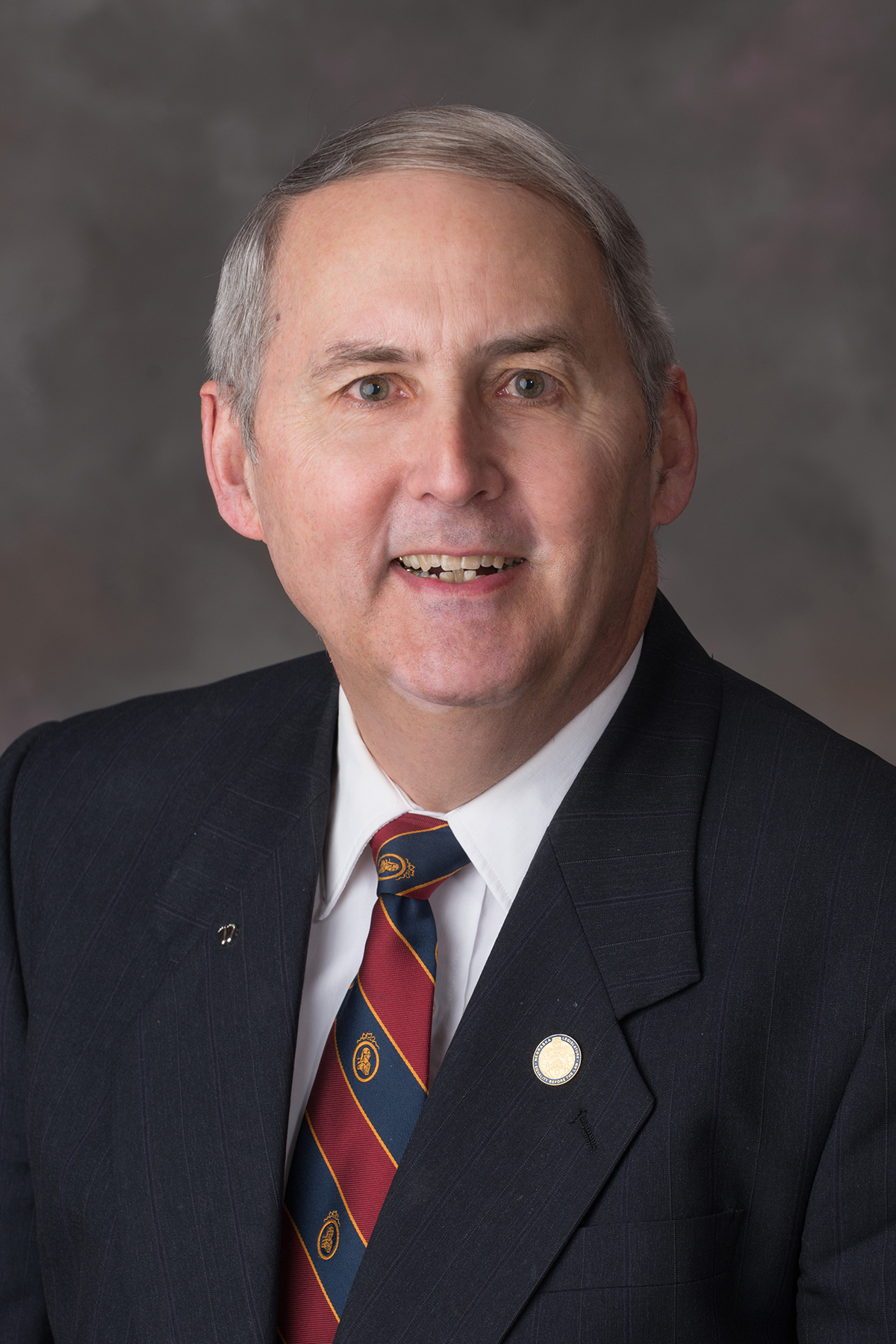
Dan Quick
81% support rate
Top opponent
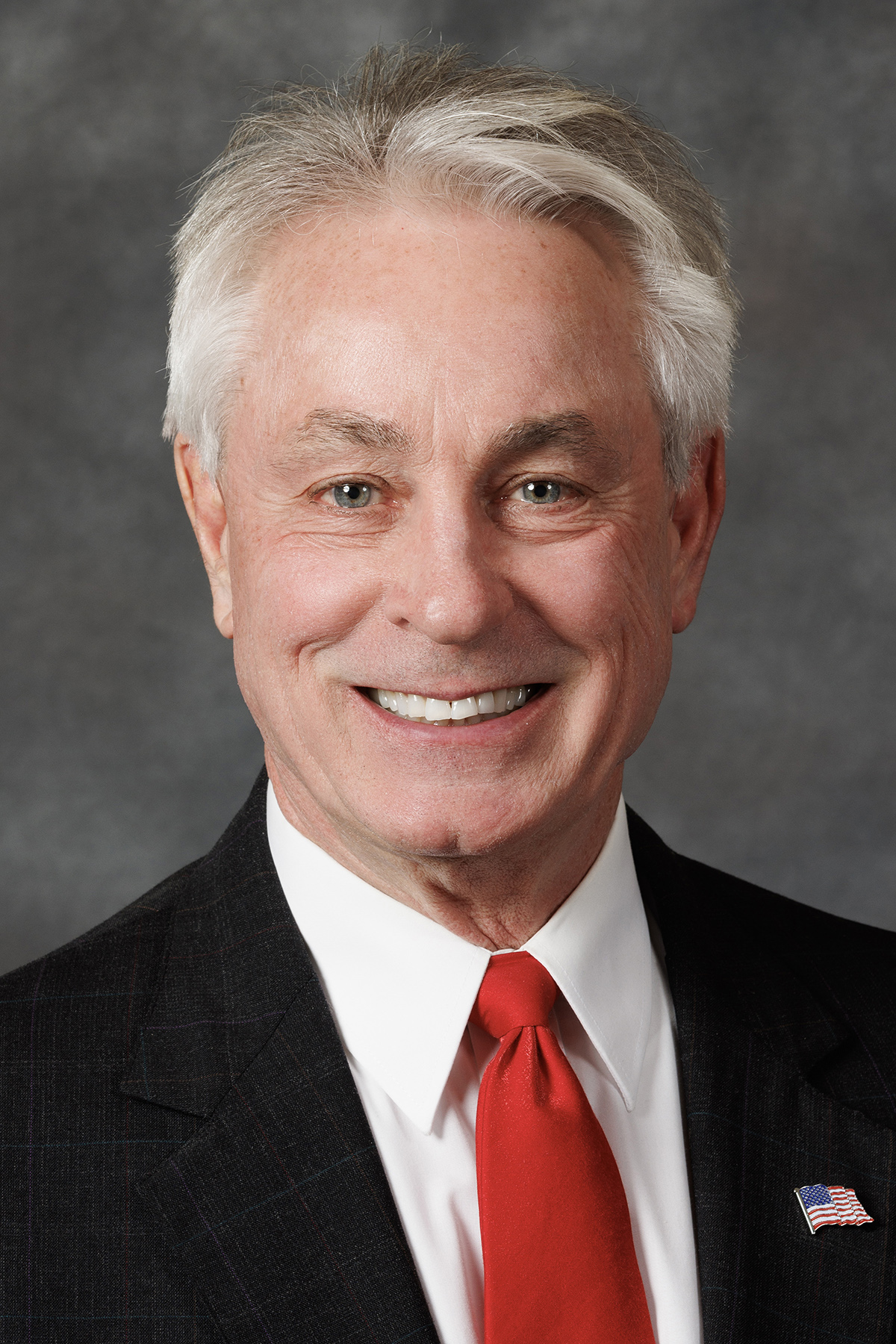
Rob Clements
36% support rate
Ranked legislators
10
5 support · 5 oppose
Key legislators

Who's moving healthcare in Nebraska

Legislators moving healthcare in Nebraska
Legislator Party Stance Support rate Votes
Dan Quick
Dan Quick House · District 35
N
Strong +
81% 135
Eliot Bostar
Eliot Bostar House · District 29
N
Support
79% 129
Machaela Cavanaugh
Machaela Cavanaugh House · District 6
N
Support
79% 162
Myron Dorn
Myron Dorn House · District 30
N
Support
77% 201
Ashlei Spivey
Ashlei Spivey House · District 13
N
Support
77% 148
Rob Clements
Rob Clements House · District 2
N
Oppose
36% 202
Jared Storm
Jared Storm House · District 23
N
Oppose
37% 188
Loren Lippincott
Loren Lippincott House · District 34
N
Oppose
38% 191
Bob Andersen
Bob Andersen House · District 49
N
Oppose
38% 203
Dave Murman
Dave Murman House · District 38
N
Oppose
39% 191
Showing 61–70 of 242 bills

All healthcare bills

signed · Nebraska · Legislature Apr 17, 2026

LB 1091: Provide requirements for the Department of Health and Human Services for long-term care clients with special needs under the medical assistance program

LB 1091 requires Nebraska's Department of Health and Human Services to provide long-term care services (like skilled nursing, nursing facility, and assisted living care) for Medicaid recipients with complex medical needs through fee-for-service Medicaid or other non-risk-based systems - instead of the state's Medicaid managed care program. It directly affects Medicaid recipients with intensive care needs and their healthcare providers, ensuring these services continue outside managed care enrollment. The bill mandates that providers serving these clients cannot be forced to join managed care organizations, while preserving care continuity and preventing increased state costs. Key provisions include defining "special needs" clients and requiring the department to update contracts and rules within six months of the law's effective date.
died · Nebraska · Legislature Apr 17, 2026

LB 805: Require insurance coverage for infant cranial helmets

LB 805 requires most health insurance plans in Nebraska to cover cranial helmets for infants under one year old with specific conditions, including deformational plagiocephaly (flat head syndrome) or craniosynostosis (premature skull fusion). The bill applies to individual/group health policies, hospital/surgical plans, and self-funded employer plans (unless federal law preempts it), excluding short-term major medical plans and limited-benefit policies. Insurance companies must cover these helmets as prescribed by a doctor, ensuring families don't face out-of-pocket costs for this treatment. This directly affects infants with these conditions and their health insurers across the state.
Sub-Topics Hospitals Insurance
died · Nebraska · Legislature Apr 17, 2026

LB 849: Provide a sales and use tax exemption for over-the-counter drugs

Nebraska's LB 849 exempts over-the-counter (OTC) drugs from state sales and use taxes, effective October 1, 2026. The bill amends tax code section 77-2704.09 to explicitly include OTC drugs in the list of tax-exempt items, alongside insulin, prescription drugs, and medical equipment. This directly affects Nebraska residents purchasing OTC medications, as they will no longer pay state sales tax on these products. The exemption applies to drugs meeting FDA labeling requirements for OTC status as defined in the bill.
died · Nebraska · Legislature Apr 17, 2026

LB 1217: Authorize schools to maintain epinephrine for emergency first aid

Nebraska bill LB 1217 allows public, private, denominational, and parochial schools to keep epinephrine (approved by the FDA) on hand for emergency use. The bill authorizes schools to administer epinephrine to students experiencing allergic reactions, directly affecting school staff and students with severe allergies. Schools must obtain authorization from the State Department of Education to maintain epinephrine in emergency first aid situations. This policy change simplifies access to life-saving treatment during allergic emergencies without requiring individual prescriptions for each student.
Sub-Topics Student Health
died · Nebraska · Legislature Apr 17, 2026

LB 796: Change provisions relating to the practice of pharmacy

This bill amends Nebraska's Pharmacy Practice Act (section 38-2850) to clarify and update exemptions from pharmacy licensing requirements. It specifically adds 11 detailed exemptions, including allowing nurse practitioners, physician assistants, and certified nurse midwives to dispense certain medications without a pharmacy license under defined conditions (e.g., for samples provided by manufacturers at no charge). The bill also clarifies that veterinarians, optometrists, hospital nurses, and medical gas providers may operate within their existing scopes without pharmacy licensure. These changes directly affect healthcare providers, pharmacies, and patients by defining who may legally dispense medications under specific circumstances. The amendment replaces the previous section, streamlining the legal framework for pharmacy practice.
died · Nebraska · Legislature Apr 17, 2026

LB 945: Change provisions relating to the use of the Hospital Quality Assurance and Access Assessment Fund

This bill amends Nebraska's Hospital Quality Assurance and Access Assessment Fund rules to clarify how its funds can be used. It prohibits using the fund to replace existing state hospital payments and specifies exact allocations: up to $15 million annually for administrative costs, $2.5 million for nursing training expansion, and $17.5 million for non-hospital Medicaid providers. The bill also prevents Medicaid managed care organizations and hospitals from adjusting rates based on these directed payments or passing assessment costs to patients. These changes directly affect hospitals, Medicaid managed care organizations, and state agencies managing the fund.
Sub-Topics Hospitals Medicaid
died · Nebraska · Legislature Apr 17, 2026

LB 971: Require insurance coverage for rescue and maintenance asthma inhalers

LB 971 requires most health insurance plans in Nebraska to cover prescribed asthma inhalers without cost-sharing. It directly affects people with asthma who have health insurance, mandating coverage for one rescue inhaler and one maintenance inhaler per year when prescribed by a doctor. The bill prohibits deductibles, copays, or coinsurance for these specific inhalers, though high-deductible plans may still apply annual deductibles if needed to maintain health savings account eligibility. This policy change ensures immediate access to essential asthma medications without out-of-pocket costs for covered individuals.
Sub-Topics Insurance
died · Nebraska · Legislature Apr 17, 2026

LB 1069: Require emergency care providers to submit claims to third-party payors

LB 1069 requires emergency care providers (such as ambulance services and emergency clinics) to certify they have a policy for submitting billing claims to third-party payors like Medicare, Medicaid, or private insurers to qualify for state-funded emergency medical services grants. This applies specifically to providers seeking state grant assistance administered by the Nebraska Department of Health and Human Services. The bill defines "billing for services" as the regular submission of claims for reimbursement for both emergency and non-emergency medical care. The requirement is a condition for receiving state grants, and the bill repeals the previous version of the relevant statute.
Sub-Topics Medicaid Medicare
died · Nebraska · Legislature Apr 17, 2026

LB 735: Adopt the Respiratory Care Interstate Compact

LB 735 adopts the Respiratory Care Interstate Compact, allowing Nebraska-licensed respiratory therapists to practice in other participating states without obtaining a new license. The bill requires criminal background checks for initial licensure and aligns Nebraska's respiratory therapy regulations with the compact's standards. This policy directly affects respiratory therapists seeking to work across state lines, particularly benefiting military families relocating between states and addressing workforce shortages. The compact aims to improve public access to respiratory therapy services by reducing administrative barriers for therapists and states.
Sub-Topics Medical Licensing
died · Nebraska · Legislature Apr 17, 2026

LB 902: Adopt the Medical Standards for Incarcerated Individuals Act and provide powers and duties for the office of the Inspector General of the Nebraska Correctional System

Nebraska's LB 902 establishes standardized medical care protocols for incarcerated individuals in state correctional facilities. It requires the Department of Correctional Services to develop clear protocols for managing chronic and acute health conditions, including timely assessments within 48 hours of health complaints (or immediately for urgent cases) and mandatory documentation of all care. The bill mandates that staff report suspected medical neglect to the Office of the Inspector General, which gains authority to investigate inmate deaths linked to care failures. These provisions directly affect inmates, correctional facilities, and the Department of Correctional Services by replacing vague "community standard" language with specific, enforceable medical care requirements.
Sub-Topics Corrections
Showing 61 to 70 of 242 bills
Previous 1 6 7 8 25 Next