Issue · Healthcare

Healthcare

Every healthcare bill, vote, and legislator stance in Nebraska, automatically classified by Maddy, our AI policy reader.

Total bills
242
109th Legislature (2025-2026)
Top supporter
Dan Quick
81% support rate
Top opponent
Rob Clements
36% support rate
Ranked legislators
10
5 support · 5 oppose
Key legislators

Who's moving healthcare in Nebraska

Legislators moving healthcare in Nebraska
Legislator Party Stance Support rate Votes
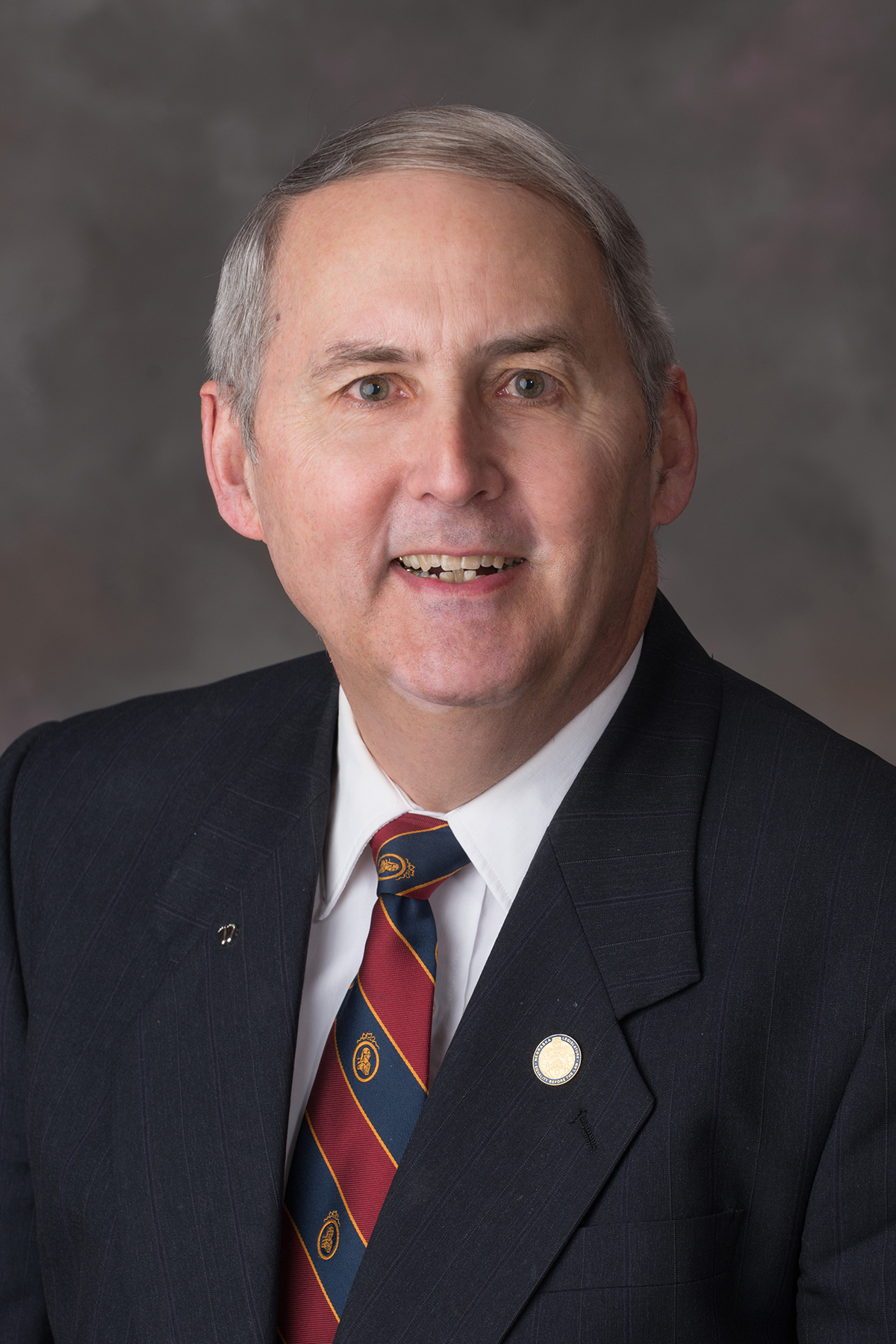
Dan Quick
Dan Quick House · District 35
N
Strong +
81% 135
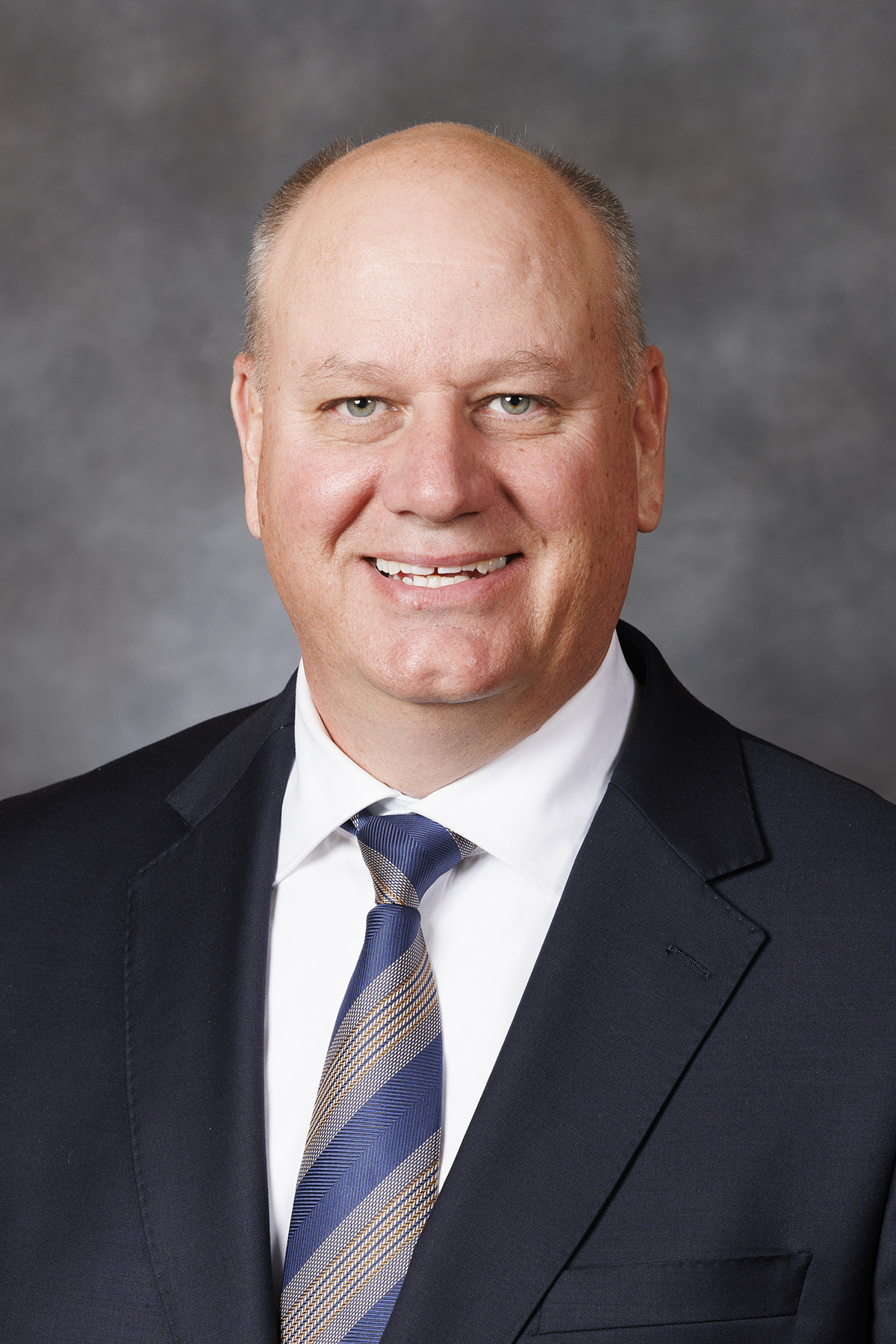
Eliot Bostar
Eliot Bostar House · District 29
N
Support
79% 129
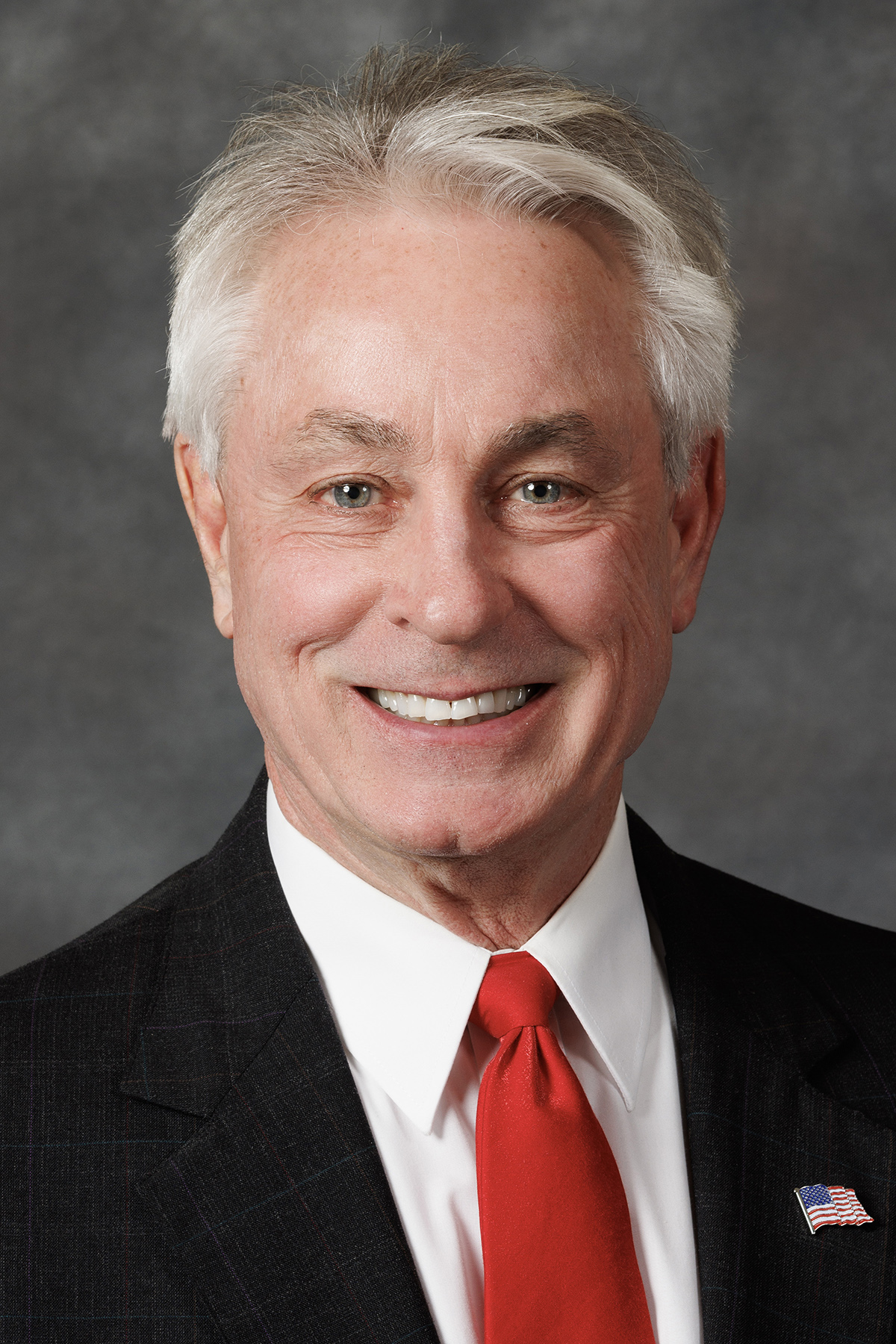
Machaela Cavanaugh
Machaela Cavanaugh House · District 6
N
Support
79% 162
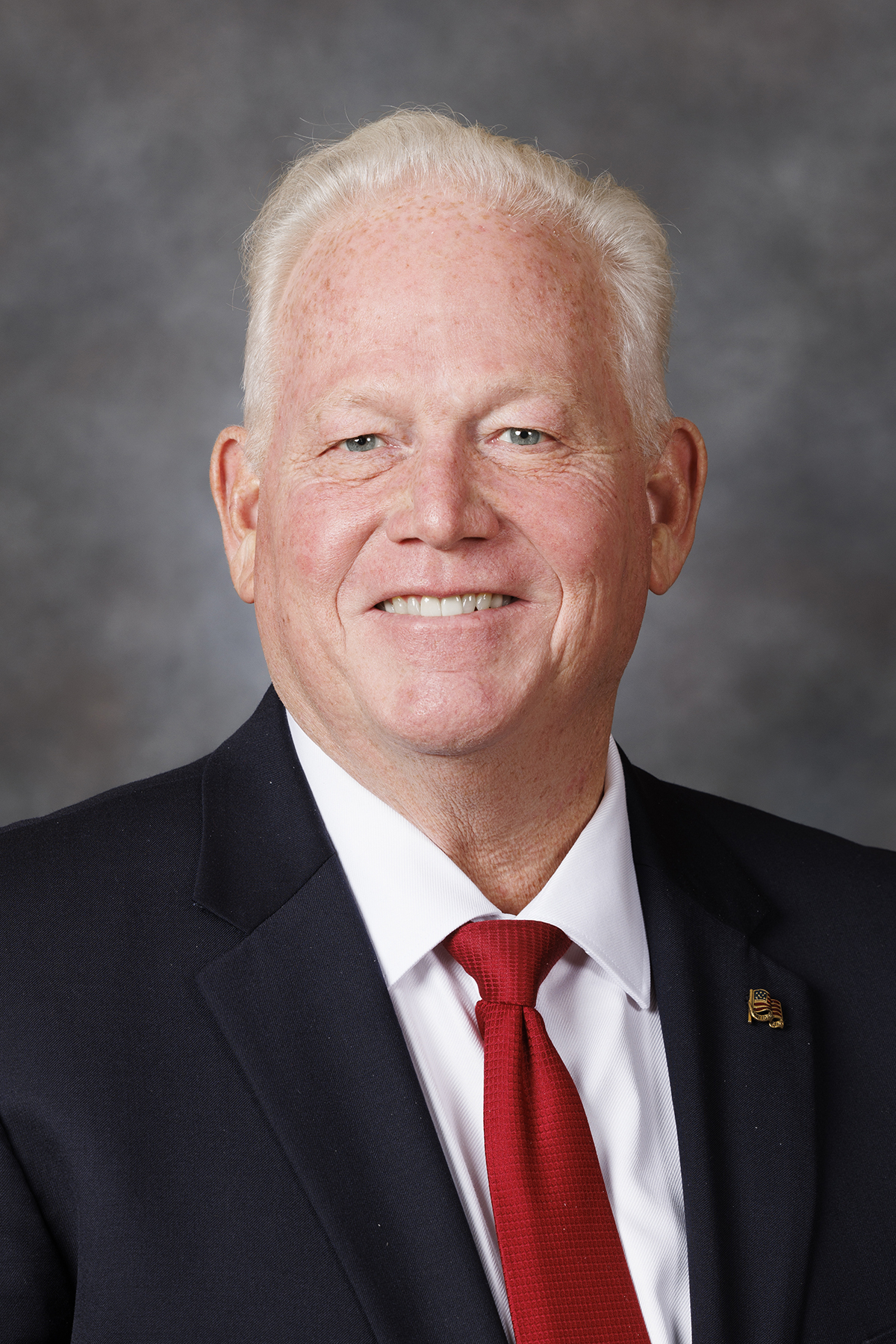
Myron Dorn
Myron Dorn House · District 30
N
Support
77% 201
Ashlei Spivey
Ashlei Spivey House · District 13
N
Support
77% 148
Rob Clements
Rob Clements House · District 2
N
Oppose
36% 202
Jared Storm
Jared Storm House · District 23
N
Oppose
37% 188
Loren Lippincott
Loren Lippincott House · District 34
N
Oppose
38% 191
Bob Andersen
Bob Andersen House · District 49
N
Oppose
38% 203
Dave Murman
Dave Murman House · District 38
N
Oppose
39% 191
Showing 171–180 of 242 bills

All healthcare bills

died · Nebraska · Legislature Apr 17, 2026

LB 553: Change provisions of the Rural Health Systems and Professional Incentive Act

Nebraska's LB 553 expands eligibility under the Rural Health Systems and Professional Incentive Act to include dietitian nutritionist students and professionals in loan programs. It adds "dietitian nutritionist program" to qualifying education pathways for student loans and includes dietitian nutritionists in the loan repayment program, with a $15,000 annual cap and $45,000 lifetime maximum for full-time practice in designated health shortage areas. The bill also requires the commission to designate shortage areas specifically for dietitian nutritionist practice and mandates that recipients agree to practice in these areas and accept Medicaid patients. This change harmonizes dietitian nutritionist provisions with existing categories like physicians and mental health practitioners. The bill was amended into LB 312 before passing.
Sub-Topics Medicaid Mental Health
died · Nebraska · Legislature Apr 17, 2026

LB 697: Change requirements relating to compounding and delegated dispensing permits under the Pharmacy Practice Act

Nebraska's LB 697 amends pharmacy practice regulations to update compounding standards and delegated dispensing rules. It requires pharmacists to follow specific U.S. Pharmacopeia standards for compounding (effective Jan. 2023) and prohibits compounding certain drugs, like FDA-withdrawn products or copies of approved drugs during shortages. The bill also revises delegated dispensing permits for public health clinics, limiting dispensing to contraceptive refills, mandating detailed labeling requirements, and requiring a pharmacist's daily availability to answer questions. These changes directly affect pharmacists, pharmacy boards, and public health clinics operating under delegated dispensing permits.
died · Nebraska · Legislature Apr 17, 2026

LB 515: Provide requirements for certain prescription refills

This Nebraska bill (LB 515) amends pharmacy rules to establish clear procedures for pharmacists to provide emergency prescription refills when doctors cannot be contacted. It allows pharmacists to dispense up to a 30-day supply (or the previous refill amount, whichever is less) for non-controlled maintenance medications under specific conditions: the refill must be for ongoing treatment, the pharmacist must verify the prescription through records or a database, and the pharmacist must judge that interrupting therapy would harm the patient. The bill directly affects pharmacists and patients who need urgent access to ongoing medications like diabetes or blood pressure drugs. It does not change standard refill rules but creates a defined emergency process to prevent treatment gaps.
Sub-Topics Prescription Drugs
died · Nebraska · Legislature Apr 17, 2026

LB 706: Require adult protective services social workers to accompany law enforcement officers

LB 706 requires law enforcement officers to be accompanied by trained adult protective services (APS) social workers during calls involving individuals with mental health concerns or a history of mental illness. Dispatchers must screen calls for mental health issues, flag them as "Mental Health Priority," and notify nearby APS social workers to join the response. The APS social worker takes the lead in interactions, using de-escalation techniques and trauma-informed care to reduce the risk of harm. Law enforcement agencies must create written policies for this process, which the Nebraska Commission on Law Enforcement will review annually for compliance.
Sub-Topics Mental Health
signed · Nebraska · Legislature Jun 6, 2025

LB 454: Change provisions relating to regional behavioral health authorities and the Behavioral Health Services Fund

LB 454 amends Nebraska law to update rules for regional behavioral health authorities and establish the Behavioral Health Services Fund. It requires these authorities to adopt uniform fee policies based on consumer income (not exceeding service costs), mandate competitive bidding for services unless specific exemptions apply, and maintain separate budgets for behavioral health funding. The new Behavioral Health Services Fund will provide grants, loans, and reimbursements to support community-based behavioral health services statewide, including housing assistance for very low-income adults with serious mental illness. These changes directly affect regional behavioral health authorities, behavioral health providers, and consumers receiving public behavioral health services.
signed · Nebraska · Legislature Apr 14, 2025

LB 457: Require anaphylaxis policies for school districts and licensed child care facilities and provide a limit on the amount an insured is required to pay by an insurance policy or benefit plan for epinephrine injectors

LB 457 requires Nebraska school districts and licensed child care facilities to adopt written policies for managing anaphylaxis (severe allergic reactions) by July 1, 2026. These policies must include emergency protocols, individualized care plans for children with allergies, and strategies to reduce allergen exposure, based on model guidelines developed by the Health and Human Services Department. The bill also limits out-of-pocket insurance costs for epinephrine injectors to $50 annually for covered individuals, effective January 1, 2026. It directly affects schools, child care programs, and insured individuals needing emergency allergy treatment.
signed · Nebraska · Legislature Jun 6, 2025

LB 380: Change provisions regarding program integrity, ground emergency medical transport, and mental health and substance use disorder services under the Medical Assistance Act and provide duties for the Division of Medicaid and Long-Term Care

LB 380 updates Nebraska's Medicaid program integrity rules to improve fairness and transparency in audits. It requires program integrity contractors to provide clear written justification for audits, limit records requests to relevant documents, and send determination letters within 180 days. The bill also mandates that auditors use licensed healthcare professionals familiar with clinical standards and prohibits audits of capitated managed care claims or claims already under review. These changes directly affect Medicaid providers and contractors by standardizing audit procedures and protecting providers from improper overpayment claims.
signed · Nebraska · Legislature Jun 2, 2025

LB 382: Provide for use of the Medicaid Managed Care Excess Profit Fund to reimburse designated area agencies on aging and state intent regarding appropriations

LB 382 redirects $2 million annually from Nebraska's Medicaid Managed Care Excess Profit Fund to reimburse the state's eight Area Agencies on Aging (AAAs) for eligible activities and services defined under existing law. The bill specifically appropriates these funds for fiscal years 2025-26 and 2026-27, with an equal share distributed to each AAA. This ensures AAAs receive reimbursement for costs related to services supporting older Nebraskans, such as transportation, meals, and home care, as outlined in section 81-2222. The bill amends existing funding mechanisms to prioritize these reimbursements while maintaining current eligibility criteria.
Sub-Topics Long-Term Care
failed · Nebraska · Legislature May 19, 2025

LB 319: Change eligibility requirements for the Supplemental Nutrition Assistance Program

LB 319 adjusts Nebraska's eligibility rules for the Supplemental Nutrition Assistance Program (SNAP) by temporarily increasing the gross income threshold to 165% of the federal poverty guidelines (from the prior level) for qualifying residents. This change, effective until October 1, 2025, aims to expand access to SNAP benefits while maintaining work incentives - ensuring participants can keep benefits while seeking higher-paying jobs. The bill also requires the Department of Health and Human Services to develop a state outreach plan (partnering with nonprofits if needed), submit annual reports to the Legislature on program effectiveness, and evaluate administrative costs. It directly affects Nebraska residents seeking SNAP benefits, particularly those with incomes just above the previous threshold.
signed · Nebraska · Legislature Jun 2, 2025

LB 382A: Appropriation Bill

LB 382A appropriates $2 million from the Medicaid Managed Care Excess Profit Fund for each of the 2025-26 and 2026-27 fiscal years to the Department of Health and Human Services. The funds are designated for Program 571 to support the implementation of Legislative Bill 382. The bill specifies that the money must be used solely for state aid and cannot cover salaries or per diems for state employees.
Showing 171 to 180 of 242 bills
Previous 1 17 18 19 25 Next