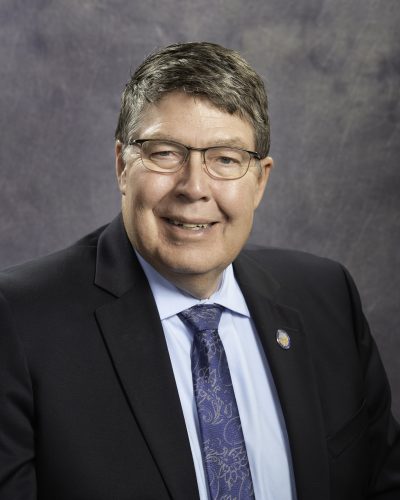
HB 924 creates the Montana Growth and Opportunity Trust, funded by half of the state's unpredictable revenue (like capital gains or oil royalties) starting in 2027. Interest income from the trust is split: half distributes $15 million annually to five specific programs (disaster resiliency, property tax relief, water development, bridge repairs, and early childhood care), while the other half reinvests in pension funds and housing infrastructure. The bill establishes new accounts for these programs and sets rules for calculating volatile revenue using historical data to stabilize budgeting. It directly affects state budgeting, early childhood services, infrastructure projects, and pension systems through mandatory funding allocations.
Montana's LC 1611, the "Montana Electric Vehicle Infrastructure Act," requires local governments (municipalities and counties with 20,000+ residents) to adopt standardized permitting rules for electric vehicle charging stations by 2027. It mandates that local governments either adopt a state-developed model code, establish objective standards (avoiding subjective decisions), or maintain existing processes, while reporting on permit approvals and processing times. The bill also creates eligibility for state loans to local governments that comply with the new rules. This directly affects local government permitting agencies and businesses installing EV charging infrastructure by streamlining approvals and reducing delays.
SB 264 amends Montana law concerning motor vehicle exhaust noise. This bill eliminates a specific legal defense for motor vehicle operators cited for exceeding the 95-decibel noise limit. Previously, a driver could not be convicted if they had reasonable grounds to believe their vehicle complied with the noise standard. With this change, that defense is no longer available to those charged with a violation.
HB 615 revises how interest earned from the coal severance tax permanent fund is distributed to state programs. The bill specifically allocates $2 million to the Department of Justice to partially fund highway patrol officers' salaries. It also extends the termination date for several existing appropriations from this fund, pushing them from June 2027 to June 2029. These extended appropriations continue to support programs related to agriculture, commerce, and highway services, affecting various state agencies and the public services they provide.
This bill revises how Montana's lodging facility use tax revenue is distributed to local governments. It creates two new accounts: one for county roads and infrastructure (funded by lodging taxes) and another for municipal roads and infrastructure. County funds are distributed based on each county's share of the previous year's tax collection, with a minimum of 0.5% and maximum of 8% per county. Municipal funds are distributed based on population (with small towns counted as having 200 residents), capped at 8% per city or town. The bill directly affects all Montana counties and cities/towns that collect lodging taxes.
This bill creates the Montana Growth and Opportunity Trust to manage volatile state tax revenue. It requires annual transfers of half of unpredictable tax revenue (like capital gains) into the trust starting in 2027. The trust’s interest earnings are split: half funds five specific state accounts (disaster relief, property tax relief, water development, bridge repairs, and early childhood programs), each receiving up to $15 million yearly, while the other half is reinvested into pension funds and housing infrastructure loans. The bill directly affects state budget operations and provides dedicated funding streams for local government services, housing, and early childhood programs.
This bill amends Montana law to allow motorboats to tow people on waterskis or similar devices between sunset and sunrise, provided the vessel and person being towed are properly illuminated as defined by new rules from the fish and wildlife commission. It directly affects boaters and watersports participants who currently cannot engage in these activities during nighttime hours under existing rules. The key mechanism requires the commission to develop safety rules for proper illumination, with $1,000 appropriated for rule development and public education. The bill removes the blanket nighttime ban while adding a safety requirement, rather than creating new restrictions.
Montana's Bill LC 2474 prohibits overnight camping (between dusk and dawn) and storing personal property on state highway right-of-way, including roads, shoulders, ditches, and adjacent areas. It directly affects individuals who camp or leave belongings unattended overnight on highways, with exceptions for emergencies, authorized workers, and designated rest areas (max 24 hours). Enforcement allows law enforcement to issue 72-hour removal notices, impose $50 civil fines for non-compliance, and dispose of unattended property after 120 hours' notice. The bill includes a $15,000 appropriation for implementation and defines key terms like "campsite" and "right-of-way" to clarify scope.
This bill (LC 3836) proposed establishing a state-run infrastructure revolving loan program to provide low-interest financing for public infrastructure projects. It would have directly affected local governments and public entities seeking funding for roads, water systems, or other community infrastructure. However, the bill was assigned to a drafter in December 2024, placed on hold in January 2025, and ultimately died in process by May 2025 without advancing to committee or floor consideration. No specific provisions or mechanisms were enacted, as the bill never progressed beyond the drafting stage.
This bill (LC 1145) proposed establishing ongoing transfers from the state's General Fund to support infrastructure projects and pension funding, unless specific fiscal conditions were met. It aimed to create a sustained funding mechanism for these priorities without requiring annual legislative approval. However, the bill never advanced beyond the drafting stage, as it was placed on hold in November 2024 and ultimately died in process by May 2025. No further action or implementation occurred.