Issue · Labor & Employment

Labor & Employment (Collective Bargaining)

Every labor & employment bill, vote, and legislator stance in Montana, automatically classified by Maddy, our AI policy reader.

Total bills
9
2025 Regular Session
Top supporter
Denise Hayman
67% support rate
Top opponent
Bob Phalen
33% support rate
Ranked legislators
8
3 support · 5 oppose
Key legislators

Who's moving collective bargaining in Montana

Legislators moving collective bargaining in Montana
Legislator Party Stance Support rate Votes
Denise Hayman
Denise Hayman Senate · District 32
D
Support
67% 3
Jacinda Morigeau
Jacinda Morigeau Senate · District 46
D
Support
67% 3
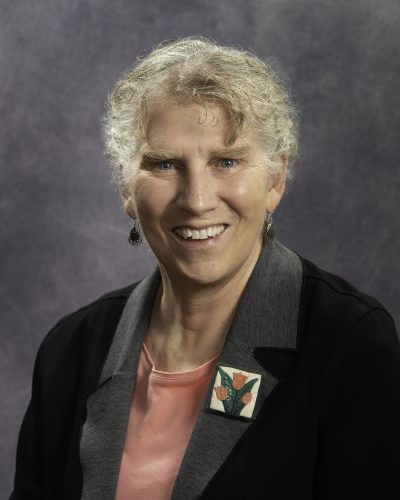
Janet Ellis
Janet Ellis Senate · District 41
D
Support
67% 3
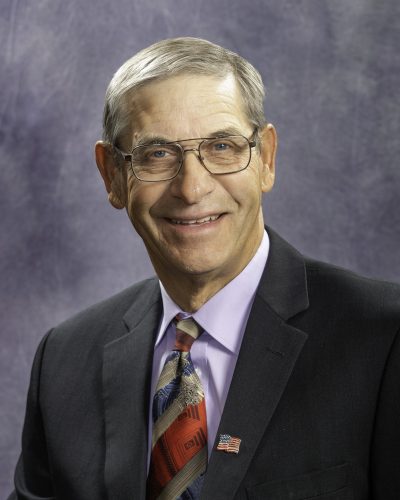
Bob Phalen
Bob Phalen Senate · District 17
R
Oppose
33% 3
Matt Regier
Matt Regier Senate · District 5
R
Oppose
33% 3
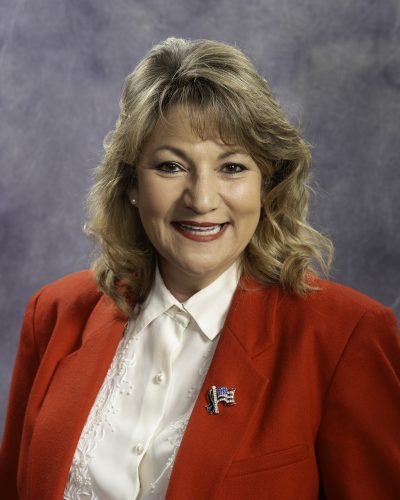
Shelley Vance
Shelley Vance Senate · District 34
R
Oppose
33% 3
Theresa Manzella
Theresa Manzella Senate · District 44
R
Oppose
33% 3
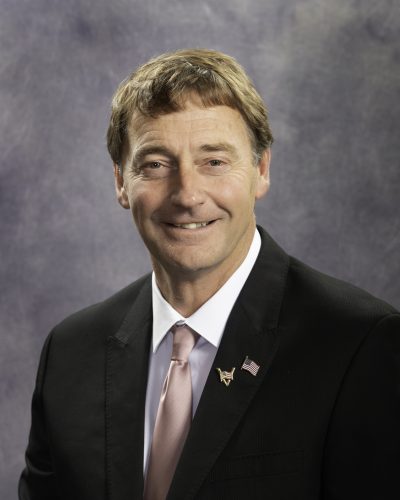
Tony Tezak
Tony Tezak Senate · District 35
R
Oppose
33% 3
Showing 9 of 9 bills

All labor & employment bills

introduced · Montana · Legislature Feb 5, 2025

LC 731: Revise laws for payroll deduction of union dues and political contributions by public employers

This bill prohibits Montana public employers from deducting union dues, fees, fines, or political contributions from employees' salaries or assisting in collecting such payments. It makes it an unfair labor practice for public employers to deduct or help collect these contributions and for labor organizations to pressure employers into doing so. The legislation also amends existing ethics laws to clarify restrictions on how public officers and employees can use public resources for political purposes. These changes directly affect government agencies, public sector workers, and labor organizations operating within Montana.
introduced · Montana · Legislature Jan 22, 2025

LC 2528: Establish requirement for paid sick days

This bill establishes the Healthy Families and Workplaces Act, requiring employers with 10 or more employees to provide paid sick leave to their workers. Under the new law, employees earn at least one hour of paid sick leave for every 40 hours worked, up to a maximum of 80 hours per year, with the option to carry unused leave forward to the next year. The paid leave can be used for personal illness, family medical needs, domestic violence situations, sexual assault, or preventive health care, and employers must maintain confidential records of leave requests. The Department of Labor and Industry is authorized to enforce the policy, while employers offering similar leave through collective bargaining agreements or providing more generous benefits may qualify for exceptions.
introduced · Montana · Legislature Feb 18, 2025

LC 4333: Establish a right to work act

This bill, titled the Worker Freedom Act, establishes Montana as a right-to-work state by prohibiting employers from requiring employees to join or financially support a labor organization as a condition of employment. It mandates that any wage deductions for union dues must be based on written employee authorization that can be revoked at any time, and it requires employers to post notices informing workers of their freedom of choice regarding union membership. The legislation also declares illegal any agreements between employers and unions that violate these rights and imposes misdemeanor penalties with fines up to $1,000 for violations, while allowing affected individuals to seek civil damages and attorney fees. The law applies to most employers in the state but excludes federal employees, those on federal land, and industries covered by federal labor laws.
introduced · Montana · Legislature Dec 30, 2024

LC 567: Generally revise public sector unions law

This bill revises Montana's labor laws to restrict how public sector employees and their unions can use public resources for union activities. It prohibits government agencies from using public funds to support labor organizations and bars public employees from receiving paid time off for union work, except under specific conditions where unpaid leave is allowed or personal leave is used with strict oversight. The law also requires detailed reporting and reimbursement processes when employees use compensated leave for representational activities, ensuring public funds are not indirectly used for union purposes. Additionally, the bill updates existing rules of conduct for public officers and employees to further clarify restrictions on using public resources for private or organizational business.
introduced · Montana · Legislature Feb 12, 2025

LC 2674: Revise apprenticeship program laws relating to the state electrical board

This bill updates Montana's apprenticeship requirements for electricians by allowing individuals to qualify for journeyman and residential electrician licenses through either state-approved programs or substantially equivalent training. It establishes specific experience thresholds, requiring 8,000 hours for journeyman electricians and 4,000 hours for residential electricians, while also recognizing union or trade association training programs as valid pathways. The legislation clarifies definitions of legal practical experience and electrical maintenance work, ensuring that experience gained outside of completed apprenticeships counts toward licensure. These changes directly affect current and aspiring electricians seeking professional licensure in Montana by providing more flexible qualification options.
died · Montana · Senate May 23, 2025

SB 376: Establish a right to work act

SB 376, the "Worker Freedom Act," prohibits employers from requiring employees to join a union or pay dues as a condition of employment. It mandates written employee authorization for union dues deductions (with 30-day revocation rights), requires employers to post a notice about union choice rights, and imposes fines for violations. The bill directly affects all Montana employees, except federal workers, railroad employees, and those under federal labor law. It amended Montana law to align with these protections but died in committee in May 2025 without becoming law.
died · Montana · Senate May 23, 2025

SB 94: Generally revise public sector unions law

SB 94 prohibits Montana public employers from using public funds or resources for labor organization activities, directly affecting public sector workers like teachers and school staff. It bans contributions of public money to unions or paid leave for union work, but allows unpaid time off for such activities and permits using accrued personal leave under specific conditions. The bill requires unions to cover costs for paid leave used in union activities through annual invoices to public employers and mandates reporting on time spent on union-related work. These changes aim to limit public funding for union operations while establishing clear administrative procedures.
died · Montana · House May 20, 2025

HB 319: Prohibiting employer requirements for employees to attend controversial social vision training

HB 319 aimed to prohibit employers from requiring employees to attend training sessions related to "controversial social vision." The bill defined "controversial social vision" as any agenda, concept, or theory not broadly accepted in society or that generates strong opposition from mainstream political, religious, or social groups. Additionally, it sought to amend election law to prevent an elector's employer, an agent of the employer, or a union officer from being designated as an agent for a disabled elector.
died · Montana · Senate May 23, 2025

SB 277: Revise laws for payroll deduction of union dues and political contributions by public employers

SB 277 would have prohibited Montana public employers from deducting union dues, fees, or political contributions from public employees' paychecks or assisting in collecting these payments. It directly affects public employees, labor organizations, and political committees by eliminating payroll deduction as a method for these payments. The bill would have made it an "unfair labor practice" for public employers to handle such deductions or for labor organizations to request them. This policy change would have shifted responsibility for collecting dues and contributions entirely to employees and organizations, removing public employers from the process.