Issue · Criminal Justice

Criminal Justice

Every criminal justice bill, vote, and legislator stance in Montana, automatically classified by Maddy, our AI policy reader.

Total bills
28
119th Congress
Top supporter
Tim Sheehy
77% support rate
Top opponent
Troy Downing
37% support rate
Ranked legislators
4
2 support · 2 oppose
Key legislators

Who's moving criminal justice in Montana

Legislators moving criminal justice in Montana
Legislator Party Stance Support rate Votes
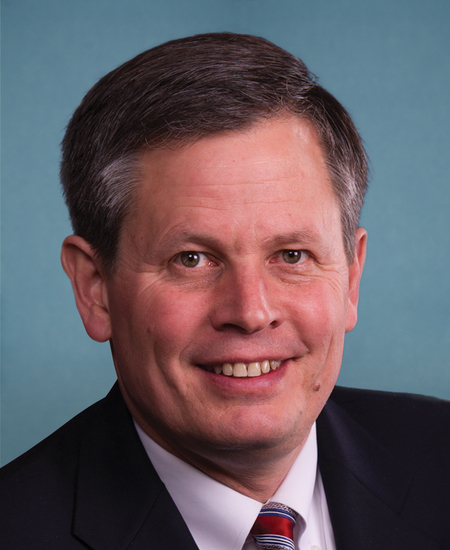
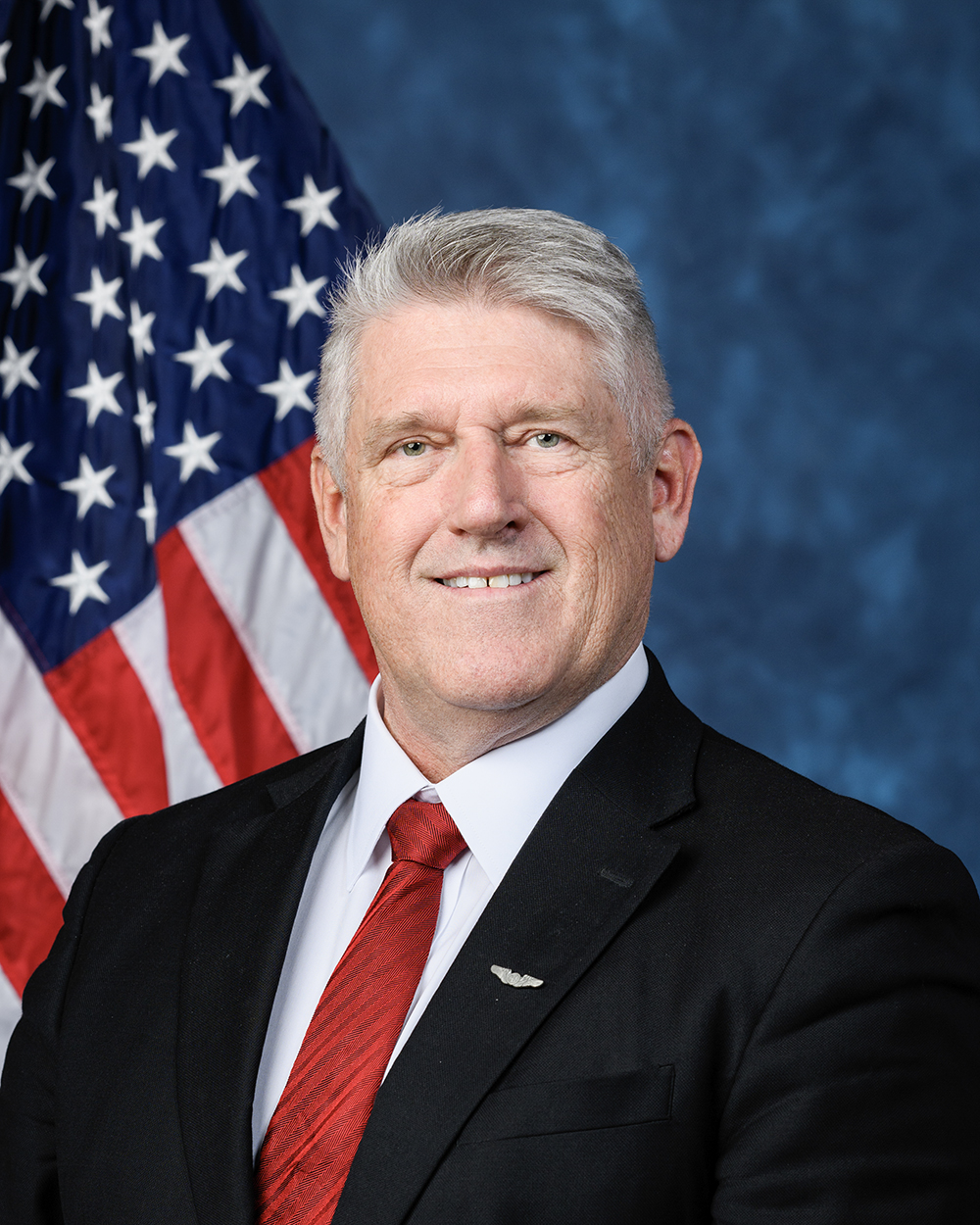
Tim Sheehy
Tim Sheehy Senate
R
Support
77% 168
Steve Daines
Steve Daines Senate
R
Support
77% 166
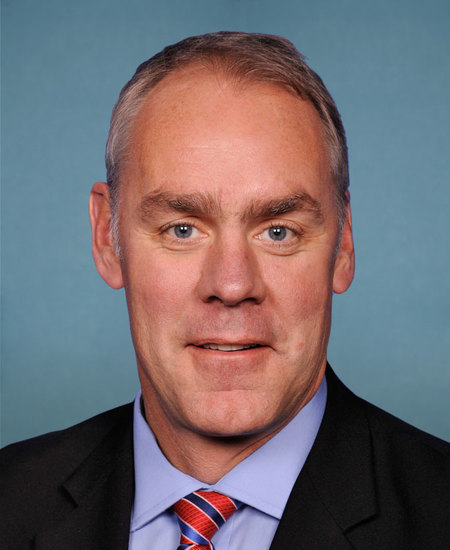
Troy Downing
Troy Downing House · District 2
R
Oppose
37% 153
Ryan K. Zinke
Ryan K. Zinke House · District 1
R
Oppose
37% 151
Showing 1–10 of 28 bills

All criminal justice bills

in committee · United States · Senate Jul 30, 2026

SRES 819: A resolution condemning the Government of the Islamic Republic of Iran for its ongoing human rights abuses, including its use of politically motivated espionage claims to justify arbitrary detention and executions.

This Senate resolution condemns the Government of Iran for ongoing human rights abuses, specifically targeting its use of politically motivated espionage claims to justify arbitrary detention and executions. The bill outlines several key provisions, including calls to halt executions based on unsupported security charges and demands for detainees to receive due process and access to independent legal counsel. It also urges the release of individuals imprisoned for peacefully exercising freedoms of expression and religion while supporting the Iranian people's pursuit of democracy. Additionally, the resolution affirms U.S. efforts to hold Iranian officials accountable through sanctions and international investigations for their actions.
in committee · United States · Senate Jun 11, 2026

S 4752: A bill to amend the Internal Revenue Code of 1986 to increase criminal and civil penalties for unauthorized disclosure of taxpayer information, and for other purposes.

This bill increases the penalties for unauthorized disclosure of taxpayer information to strengthen protections for individuals whose tax data is compromised. It raises maximum criminal fines for such violations from $5,000 to $250,000 and extends potential prison sentences from five to seven years. The legislation also introduces a new felony charge specifically for IRS contractors who willfully fail to maintain security safeguards, imposing fines of up to $500,000 or 25 percent of their total contract value with the IRS. Additionally, civil damages for unauthorized disclosures are increased from $1,000 to $5,000, and the bill requires the IRS to notify taxpayers promptly when they are criminally charged for leaking their tax return information.
Sub-Topics Corrections
passed · United States · Senate May 12, 2026

SRES 726: A resolution expressing support for the designation of May 5, 2026, as "National Day of Awareness for Missing and Murdered Indigenous Women and Girls".

This Senate resolution expresses support for designating May 5, 2026, as the National Day of Awareness for Missing and Murdered Indigenous Women and Girls. The bill calls on the public and organizations to commemorate the victims and show solidarity with their families. It also recommends that the Department of Justice commission a new study to update statistics on the crisis, noting that the previous data is over a decade old.
Tags Tribal Nations
in committee · United States · House Dec 3, 2025

HR 5490: Dismantle Foreign Scam Syndicates Act

This bill establishes a new interagency Task Force to dismantle foreign scam operations targeting Americans, particularly through "pig butchering" scams in Southeast Asia. The Task Force, chaired by the Secretary of State, will coordinate efforts across multiple agencies to shut down scam centers, impose sanctions on perpetrators, and support victims of trafficking. It requires a detailed strategy within 180 days and annual reports to Congress on progress, including sanctions imposed and funds recovered. The bill authorizes $30 million for these efforts in fiscal years 2026-2027, focusing on countries like Cambodia, Laos, and Burma where scam centers operate with forced labor.
Sub-Topics Human Trafficking
passed · United States · House Aug 31, 2026

HR 8481: Kayleigh’s Law Act of 2026

This bill, known as Kayleigh's Law Act of 2026, requires federal courts to issue permanent restraining orders against defendants convicted of certain serious crimes, prohibiting them from contacting their victims for the rest of their lives. The law applies specifically to individuals convicted of violent felonies or felony offenses involving sexual acts, including crimes like child exploitation and human trafficking. Courts must include these orders in sentencing, and violations are treated as contempt of court, while the only way to lift the order is if the conviction is overturned or pardoned. The bill also ensures that victims cannot be charged any fees for obtaining these protective orders and clarifies that the restrictions apply regardless of state laws.
in committee · United States · Senate Feb 26, 2026

S 3945: Tribal Police Department Parity Act

This bill, known as the Tribal Police Department Parity Act, would extend existing federal firearms access laws to Tribal law enforcement agencies, ensuring they have the same authority as Federal, State, and local agencies. The legislation amends Title 18 of the United States Code to explicitly include Indian Tribes and their departments in provisions related to machinegun transfers and the transportation, shipment, receipt, possession, and importation of firearms and ammunition. It also modifies the Internal Revenue Code to apply tax exemptions for firearms transfers to Tribal entities on the same basis as State governments. These changes would allow Tribal police departments to legally access and use firearms under the same federal regulations that currently apply to other law enforcement agencies.
Sub-Topics Drug Policy Firearms Law Enforcement Tags Tribal Nations
in committee · United States · Senate Mar 5, 2026

S 4013: National Constitutional Carry Act

This bill, titled the National Constitutional Carry Act, would prohibit states and local governments from imposing criminal or civil penalties on U.S. citizens for carrying firearms in public places. It directly affects state and local laws by declaring any statute, ordinance, or regulation that restricts public firearm carry for eligible citizens unenforceable. The legislation defines "public" to include most open spaces while allowing private property owners to post clear signs prohibiting firearms, and it explicitly includes the District of Columbia, Puerto Rico, and U.S. possessions under its jurisdiction. By amending federal law, the bill would override state restrictions on public carry for individuals who are legally allowed to own firearms under both state and federal rules.
Sub-Topics Firearms
in committee · United States · Senate Mar 4, 2026

S 3982: AI Fraud Accountability Act of 2026

This bill, called the AI Fraud Accountability Act of 2026, makes it a federal crime to use artificial intelligence or other technology to create fake images or voices of real or imaginary people with the intent to defraud others of money or property. It also gives the Federal Trade Commission authority to enforce these rules and allows for criminal penalties including fines and up to three years in prison for violators. The law includes exceptions for law enforcement and intelligence activities, and it does not restrict parody, satire, or journalism protected by the First Amendment. Additionally, the bill creates a working group to develop best practices for detecting digital impersonation fraud and establishes international cooperation agreements to help combat cross-border violations.
in committee · United States · Senate Jan 9, 2025

S 52: End Child Trafficking Now Act

End Child Trafficking Now Act This bill imposes restrictions related to adult non-U.S. nationals ( aliens under federal law) being admitted into the United States with a minor. Such an adult may not be admitted with a minor unless the adult (1) presents documents and witness testimony proving that the adult is a relative or guardian of the minor, or (2) submits to a DNA test that proves such a relationship. The Department of Homeland Security may request a DNA test only if the required relationship cannot be established by the presented documents and witness testimony. An adult who does not consent to a requested DNA test shall be inadmissible. If the required relationship cannot be established and the immigration officer believes the adult is guilty of a felony offense, the officer may arrest the adult. The bill makes it a crime for an adult to knowingly use a minor to whom the adult is not a relative or guardian to enter the United States.
Sub-Topics Human Trafficking
passed · United States · Senate Feb 5, 2026

SRES 600: A resolution recognizing January 2026 as "National Mentoring Month".

This resolution designates January 2026 as "National Mentoring Month" to raise public awareness about mentoring programs. It recognizes the benefits of mentoring for youth - including improved academic performance, mental health, career development, and reduced risk of delinquency - and highlights that 40% of U.S. youth lack a mentor. The Senate encourages community, school, and workplace efforts to expand existing mentoring programs and recruit volunteers to support young people. It does not create new laws or funding but aims to promote existing mentoring initiatives across the country.
Sub-Topics Juvenile Justice
Showing 1 to 10 of 28 bills
1 2 3 Next