Kayleigh’s Law Act of 2026
What changed between versions
The Government can no longer unilaterally move for a lifetime injunction; it now requires the consent of the victim. Previously, the Government could file on its own motion.
The injunction must now be 'served on the defendant' during the sentencing proceeding, adding a formal service requirement that was not in the introduced version.
Victims may now seek termination or suspension of the injunction based on 'a change in circumstances,' not only when the conviction was pardoned or commuted. This gives victims a broader path to end the order.
The definition of covered offense now explicitly requires that the crime be a felony under Federal law, and clarifies that 'crime of violence' is defined in section 16(a). This narrows applicability to federal felonies only.
Four specific offenses were removed from the list of covered offenses: section 2254 (sexual exploitation by a parent, guardian, or other custodian), section 2255 (sexual abuse by a custodian), section 2426 (sex tourism by U.S. citizens and permanent residents), and section 2427 (sex tourism by aliens).
Section 2261A (stalking) was added to the list of covered offenses, expanding the bill's reach to include stalking as a qualifying offense.
Fixed a typo in the definition of 'contact' ('direct of indirect' corrected to 'direct or indirect') and made minor punctuation corrections throughout.
How they voted
Actions timeline
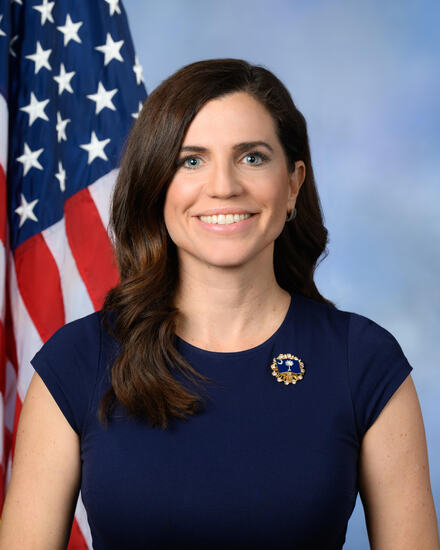
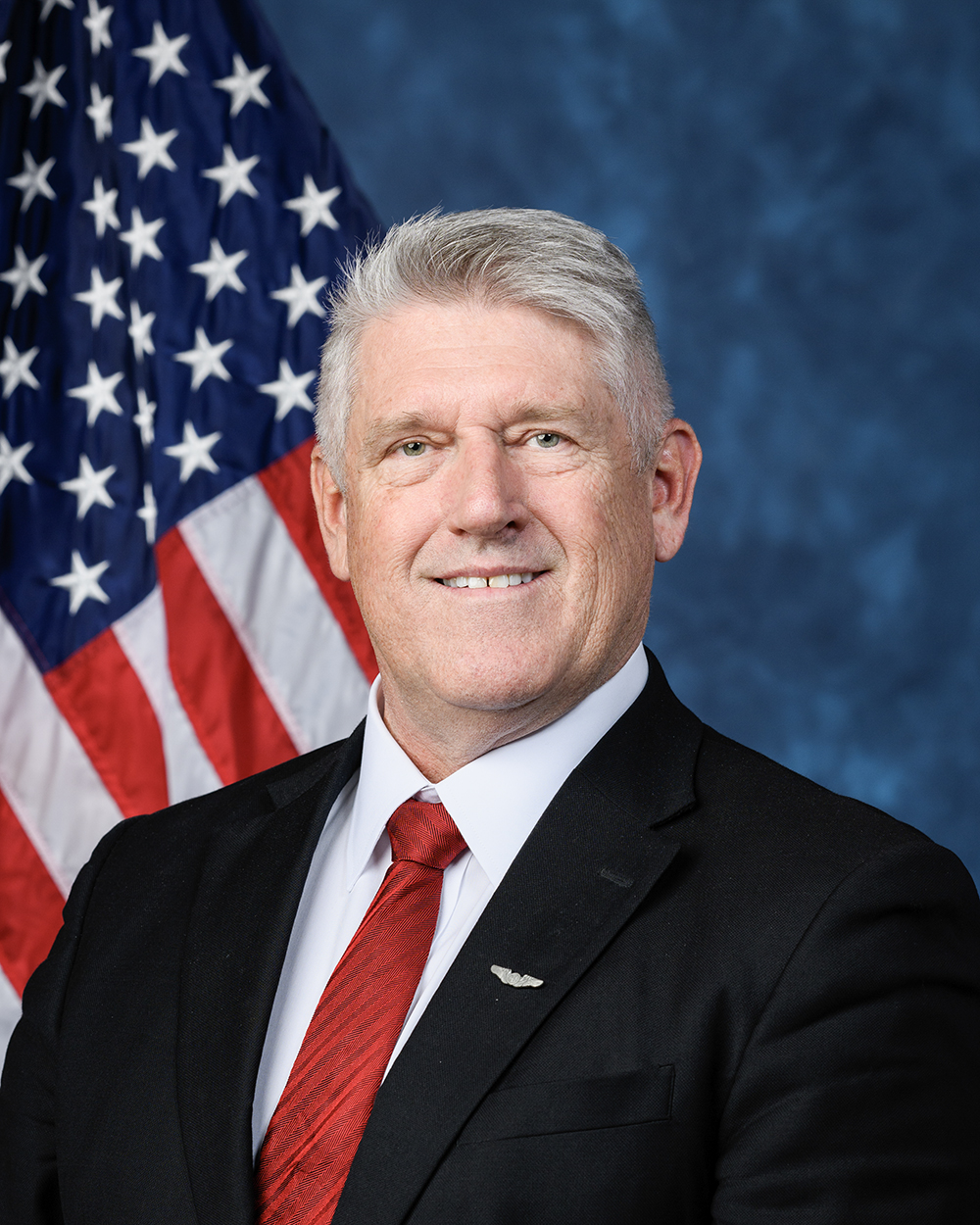
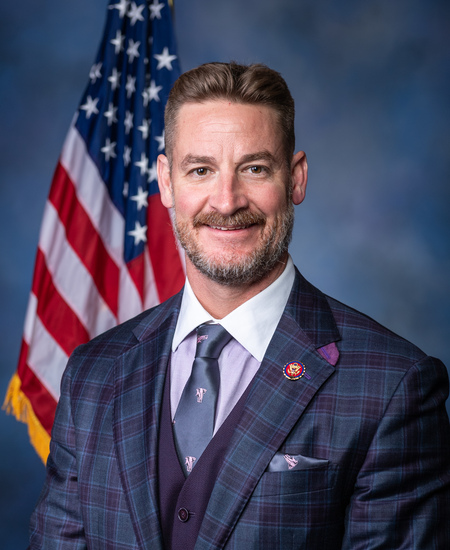
Sponsors