Issue · Budget & Taxes

Budget & Taxes

Every budget & taxes bill, vote, and legislator stance in Missouri, automatically classified by Maddy, our AI policy reader.

Total bills
36
119th Congress
Top supporter
Robert F. Onder, Jr.
75% support rate
Top opponent
Wesley Bell
17% support rate
Ranked legislators
9
5 support · 4 oppose
Key legislators

Who's moving budget & taxes in Missouri

Legislators moving budget & taxes in Missouri
Legislator Party Stance Support rate Votes
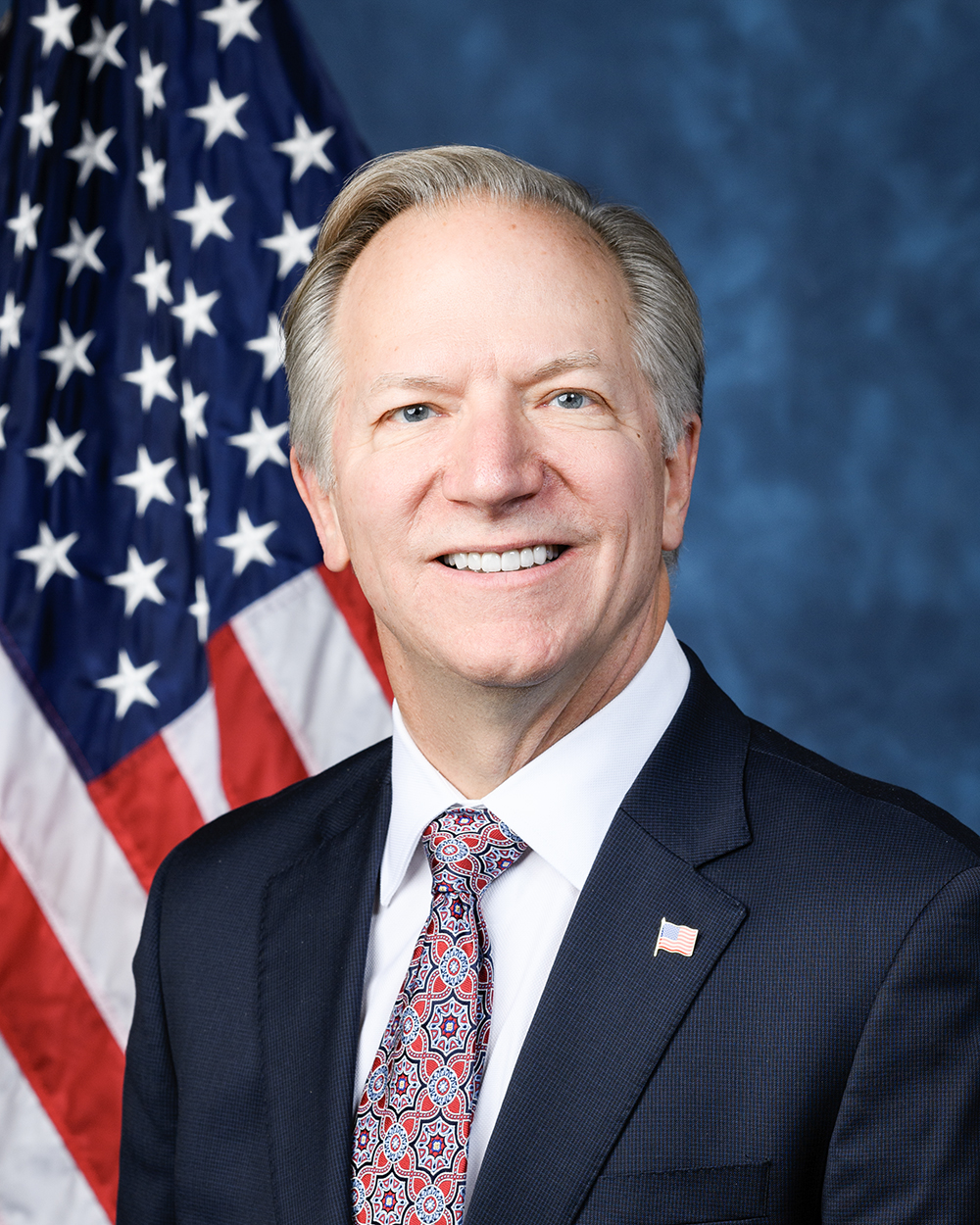
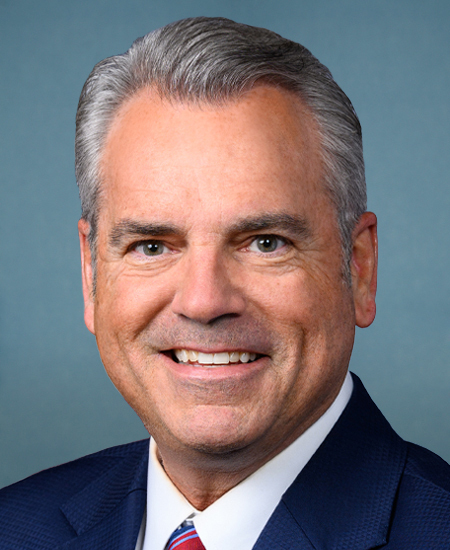
Robert F. Onder, Jr.
Robert F. Onder, Jr. House · District 3
R
Support
75% 183
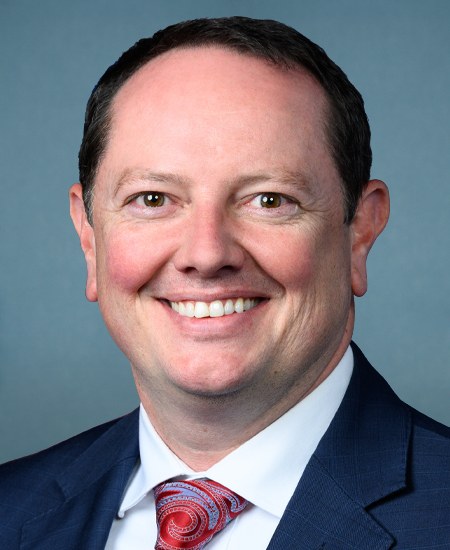
Eric Burlison
Eric Burlison House · District 7
R
Support
75% 180
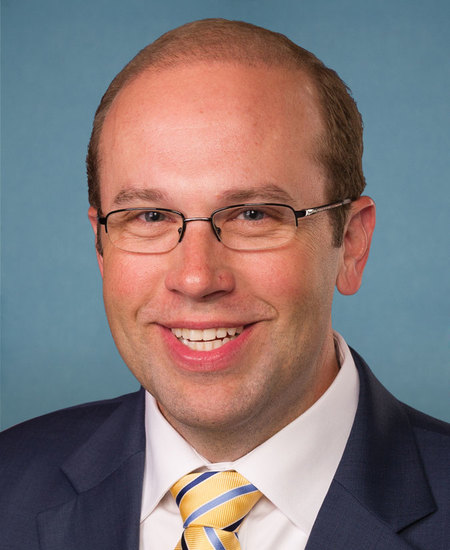
Jason Smith
Jason Smith House · District 8
R
Support
70% 185
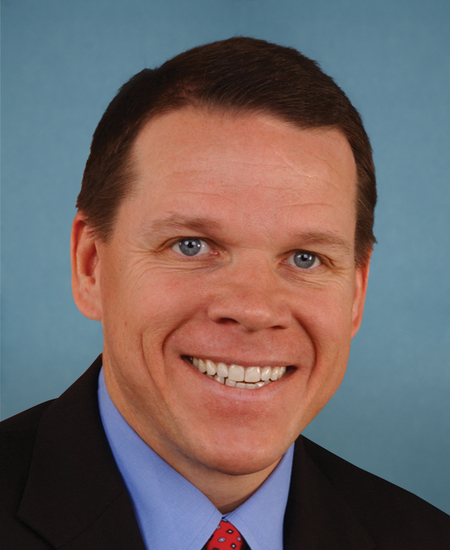
Sam Graves
Sam Graves House · District 6
R
Support
66% 183
Mark Alford
Mark Alford House · District 4
R
Support
64% 185
Wesley Bell
Wesley Bell House · District 1
D
Strong −
17% 179
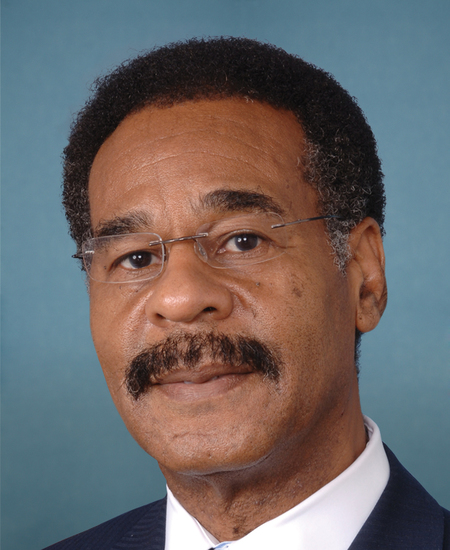
Emanuel Cleaver
Emanuel Cleaver House · District 5
D
Strong −
18% 173
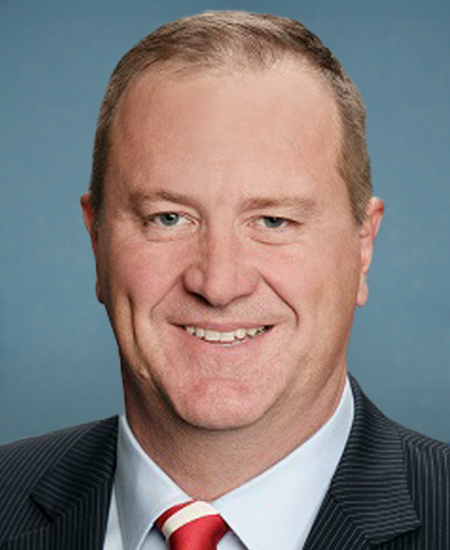
Eric Schmitt
Eric Schmitt Senate
R
Oppose
33% 273
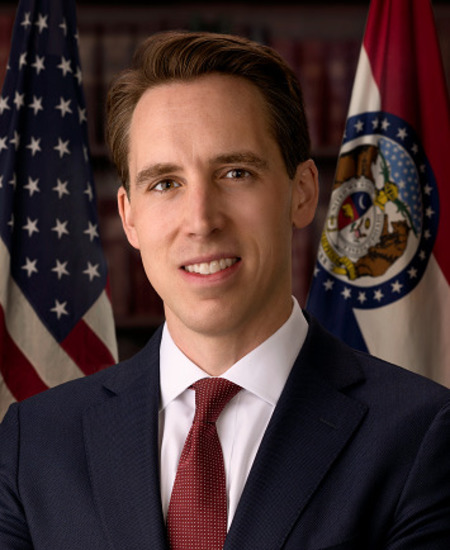
Josh Hawley
Josh Hawley Senate
R
Mixed −
41% 269
Showing 1–10 of 36 bills

All budget & taxes bills

in committee · United States · House Jul 22, 2026

HR 9720: D.C. Taxing Authority Review Act

This bill, known as the D.C. Taxing Authority Review Act, modifies the rules for how new taxes and fees proposed by the District of Columbia government are reviewed by Congress. It requires that any D.C. law imposing or increasing a tax or fee must receive explicit approval from a joint resolution passed by both the House of Representatives and the Senate within 60 days, or else the law will not take effect. Additionally, the bill limits the time for debating these specific approval resolutions to one hour, split evenly between supporters and opponents. These changes directly affect the District of Columbia government's ability to enact new financial measures without prior congressional consent.
in committee · United States · House Jun 11, 2026

HR 9289: Keep Public Funds in Public Schools Act of 2026

The Keep Public Funds in Public Schools Act of 2026 eliminates a federal tax credit that allowed parents to deduct contributions to scholarship granting organizations from their income. By removing these specific tax breaks, the bill prevents the use of public tax dollars to support private school vouchers and scholarship programs. This change directly affects families who currently rely on these tax incentives to fund education outside the public school system. The provisions take effect for taxable years beginning after December 31, 2026.
in committee · United States · House May 20, 2026

HR 8921: Freedom from Taxes Act of 2026

The Freedom from Taxes Act of 2026 eliminates federal transfer and making taxes on firearms, which directly affects individuals buying or manufacturing guns. By setting these specific taxes to zero, the bill removes the $200 fee previously required when transferring or making certain firearms. The law also adds a time limit to a special tax, ensuring it no longer applies to years beginning after the bill takes effect. These changes would become active on the first day of the first calendar quarter starting more than 90 days after the legislation is signed into law.
in committee · United States · House May 19, 2026

HR 8885: STOP TRUMP ACT

This bill, known as the STOP TRUMP ACT, prohibits the use of federal funds to pay claims or establish compensation programs for the President, their family, political appointees, or individuals designated for preferential treatment regarding alleged government retaliation. It specifically bars the Department of Justice from representing the United States in lawsuits where the President seeks financial or political benefits and mandates the repayment of any funds already disbursed in violation of these rules. The legislation declares any agreements or settlements made in breach of these provisions to be legally void and empowers the Treasury to recover illicit payments through asset seizures and offsets against other federal benefits.
in committee · United States · Senate May 11, 2026

S 4485: Gas Tax Suspension Act

The Gas Tax Suspension Act temporarily eliminates the federal excise tax on gasoline and diesel fuel for purchases made between the date of enactment and a specified end date. To prevent this tax break from reducing government revenue, the bill requires the Treasury Secretary to transfer money from the general fund to the Highway Trust Fund and the Leaking Underground Storage Tank Trust Fund to make up for the lost tax income. The tax holiday is set to last for at least 90 days, but the President has the authority to extend it to 180 days if economic conditions warrant it.
in committee · United States · Senate Sep 2, 2025

S 2067: Rescissions Act of 2025

S 2067, the Rescissions Act of 2025, cancels over $7.6 billion in unobligated foreign aid funds that were previously allocated but not spent. It directly affects U.S. international programs by permanently rescinding unused balances across multiple categories, including contributions to international organizations, global health initiatives, refugee assistance, economic support, and disaster aid. The bill targets specific line items from the 2024 and 2025 appropriations acts, such as $2.5 billion for Development Assistance and $800 million for Migration and Refugee Assistance. These rescissions take effect immediately upon the bill’s enactment, reducing available funding for these programs without altering their underlying policy structure.
in committee · United States · House Jan 9, 2025

HR 272: Protecting Life and Taxpayers Act of 2025

HR 272, the Protecting Life and Taxpayers Act of 2025, prohibits federal funding (directly or indirectly) to any organization that performs or funds abortions, requiring certification from all recipients. This applies to entities receiving federal funds, including contractors and subsidiaries, with limited exceptions for pregnancies resulting from rape or incest, or when a physician certifies a life-threatening condition. The bill directly affects healthcare providers, clinics, and organizations that rely on federal grants or contracts. It changes existing funding rules by banning federal money from supporting abortion services, except in the specified medical or criminal exceptions.
Sub-Topics Women's Health
in committee · United States · Senate Jan 16, 2025

S 125: End Taxpayer Funding for Abortion Providers Act

This bill prohibits federal funding from being used to support any healthcare provider that performs abortions, provides abortion referrals, or funds other abortion providers. Exceptions only apply if the pregnancy results from rape or incest, or if a physician certifies that an abortion is necessary to prevent the woman's death. It would take effect 60 days after enactment and apply broadly to all affiliates, subsidiaries, and clinics of such providers. The law would directly affect organizations receiving federal healthcare funds, including Medicaid providers.
passed · United States · Senate May 9, 2025

SJRES 7: A joint resolution providing for congressional disapproval under chapter 8 of title 5, United States Code, of the rule submitted by the Federal Communications Commission relating to "Addressing the Homework Gap Through the E-Rate Program".

This joint resolution seeks to block a Federal Communications Commission (FCC) rule that aimed to expand internet access for schools through the E-Rate program, specifically addressing the "homework gap" by increasing funding for student connectivity. The rule, published in the Federal Register on August 20, 2024, would have modified how schools and libraries access broadband under the E-Rate program. If passed, the resolution would cancel this rule, preventing it from taking effect under federal disapproval procedures. This is a procedural action targeting a specific FCC regulatory change, not a new policy.
passed · United States · House Jan 13, 2026

HR 909: Crime Victims Fund Stabilization Act of 2025

HR 909, the Crime Victims Fund Stabilization Act of 2025, modifies how funds from the False Claims Act are deposited into the Crime Victims Fund. It specifies that from 2025 through 2029, certain False Claims Act proceeds (specifically those for qui tam plaintiff payments and government damage reimbursements) cannot be deposited into the fund. This change directly affects the composition of the Crime Victims Fund by excluding these specific revenue streams during the specified period. The bill does not create new benefits or alter victim services; it only adjusts fund allocation rules for existing False Claims Act revenues.
Sub-Topics Victims' Rights
Showing 1 to 10 of 36 bills
1 2 3 4 Next