Issue · Healthcare

Healthcare

Every healthcare bill, vote, and legislator stance in Mississippi, automatically classified by Maddy, our AI policy reader.

Total bills
296
119th Congress
Top supporter
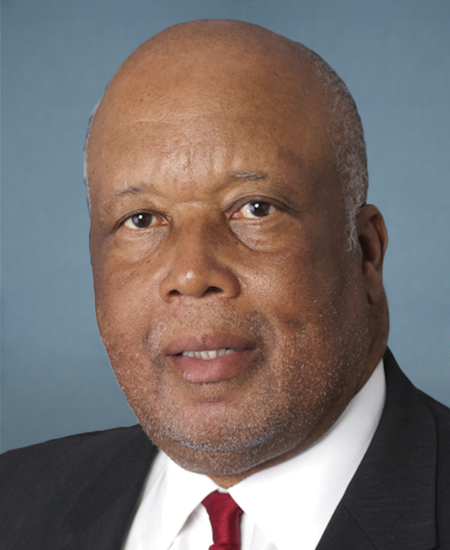
Bennie G. Thompson
56% support rate
Top opponent
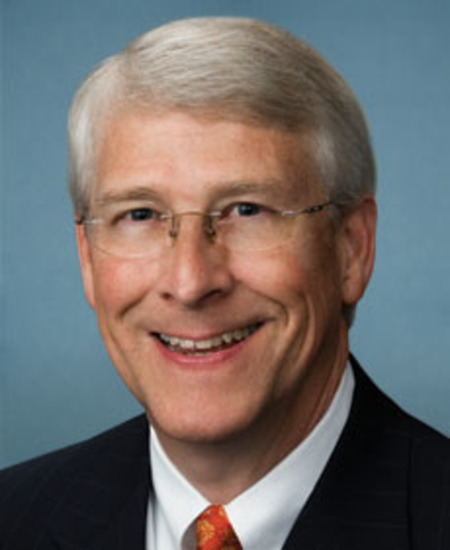
Roger F. Wicker
13% support rate
Ranked legislators
6
1 support · 5 oppose
Key legislators

Who's moving healthcare in Mississippi

Legislators moving healthcare in Mississippi
Legislator Party Stance Support rate Votes
Bennie G. Thompson
Bennie G. Thompson House · District 2
D
Mixed
56% 201
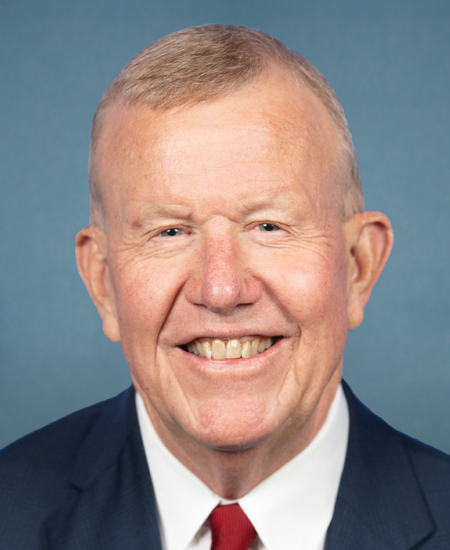
Roger F. Wicker
Roger F. Wicker Senate
R
Strong −
13% 220
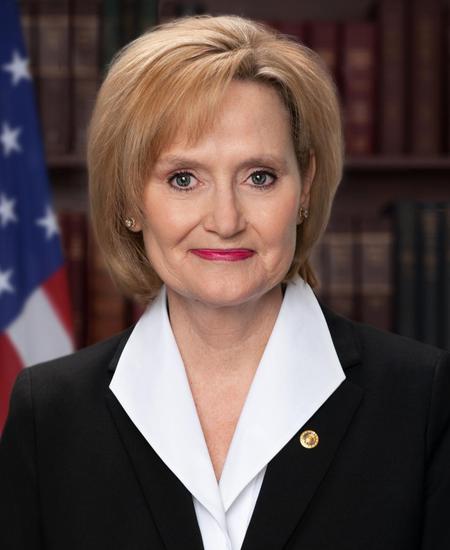
Cindy Hyde-Smith
Cindy Hyde-Smith Senate
R
Oppose
24% 223
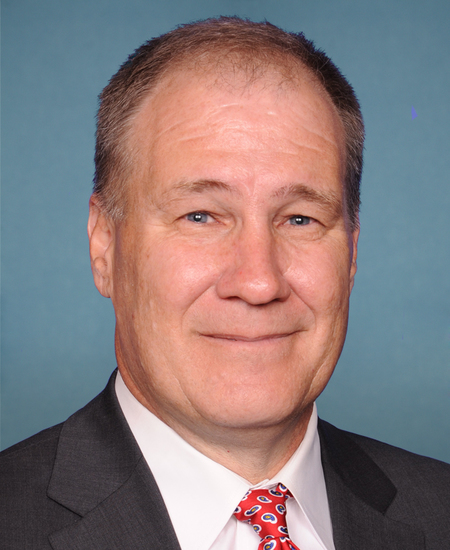
Trent Kelly
Trent Kelly House · District 1
R
Oppose
33% 211
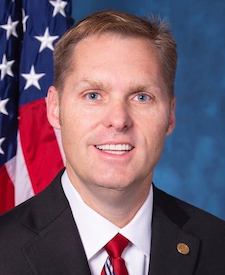
Michael Guest
Michael Guest House · District 3
R
Oppose
35% 209
Mike Ezell
Mike Ezell House · District 4
R
Oppose
39% 206
Showing 1–10 of 296 bills

All healthcare bills

in committee · United States · House Sep 8, 2026

HRES 1514: Recognizing suicide as a serious public health problem, expressing support for the designation of September 8, 2026, as "988 Day" and the role of the 988 Suicide and Crisis Lifeline, and for other purposes.

This House resolution formally recognizes suicide as a significant public health issue in the United States and highlights the impact of the 988 Suicide and Crisis Lifeline on individuals and communities. It commends the establishment of the 988 number as a nationwide three-digit dialing code for crisis support, noting its role in connecting people to mental health resources. The bill supports the designation of September 8, 2026, as "988 Day" to raise awareness about the service and promote access to mental health care. Additionally, it encourages continued public education and federal, state, and local efforts to expand crisis intervention programs for high-risk populations.
in committee · United States · House Jul 27, 2026

HR 9959: Green New Deal for Public Schools Act

The Green New Deal for Public Schools Act directs over $700 billion in federal funding to public schools, prioritizing those serving the most vulnerable communities based on CDC social vulnerability rankings. The legislation establishes a new Office of Sustainable Schools and authorizes grants for "healthy green retrofits" that convert school buildings into zero-carbon facilities with clean air, water, and energy systems, while also providing funds to hire additional educators, mental health professionals, and support staff. Additionally, the bill mandates increased federal funding for special education under the Individuals with Disabilities Education Act and creates a climate resiliency program that allows schools to function as community centers during natural disasters. All grant recipients must adhere to strict labor standards, including prevailing wage requirements, Buy American provisions, and local hiring goals that prioritize residents of the surrounding community.
in committee · United States · Senate Aug 7, 2026

S 5364: Rural Mothers and Fathers Choice Act

The Rural Mothers and Fathers Choice Act establishes a ten-year federal grant program administered by the Department of Health and Human Services to support families in rural and tribal communities through integrated education, health, and workforce services. The bill authorizes up to six implementation grants of $6 million per year each, awarded to nonprofit organizations or tribal governments that operate "hub and spoke" sites to deliver coordinated services such as early childhood education, literacy tutoring, mental health care, and job training. Recipients must partner with local schools, healthcare providers, and economic development agencies, while a Family Advisory Council composed largely of local parents oversees the program’s budget and planning. To ensure long-term sustainability, grantees are required to provide increasing levels of matching funds over the decade, starting with no match for the first three years and rising to 20 percent by the final year.
Sub-Topics Early Childhood Mental Health Tags Families Rural Communities Tribal Nations
passed · United States · Senate Aug 7, 2026

SRES 843: A resolution expressing support for the designation of the first week of August 2026, as "National Community Health Center Week", encouraging all people of the United States to participate by visiting their local community health center, and celebrating the important partnership between community health centers and the communities they serve.

This Senate resolution designates the first week of August 2026 as "National Community Health Center Week" to recognize the role these facilities play in providing affordable primary care across the United States. The bill highlights that community health centers serve a diverse range of populations, including those in rural and urban areas, by offering integrated services such as mental health, dental, and pharmacy care. It encourages the general public to participate in the observance by visiting local centers and celebrating the partnership between these organizations and their communities.
in committee · United States · Senate Aug 3, 2026

S 5213: SMASH 2.0 Act

The SMASH 2.0 Act reauthorizes and updates the federal Mosquito Abatement for Safety and Health program, which provides funding to state and local health departments to control mosquito populations. Key provisions allow the use of innovative technologies for prevention, allocate funds for technical training and education for public health workers, and increase the program's funding level to $100 million annually for fiscal years 2027 through 2031. Additionally, the bill requires the creation of a strategic plan to stockpile emergency supplies for controlling vector-borne diseases and establishes a mechanism for coordination with the Strategic National Stockpile. These changes aim to enhance the capacity of health agencies to manage mosquito-related health risks through better planning, training, and resource availability.
Sub-Topics Public Health
in committee · United States · Senate Jul 23, 2026

S 5119: A bill to require the United States Postal Service to sell the Alzheimer's semipostal stamp for 6 additional years.

This bill requires the United States Postal Service to continue selling the Alzheimer's semipostal stamp for an additional six years. The proceeds from these sales will be transferred to the National Institutes of Health at least twice a year to support medical research on Alzheimer's disease. By extending the sale period, the legislation ensures that the public has more time to purchase the stamp and contribute to funding for this specific health research initiative.
in committee · United States · Senate Jul 29, 2026

S 5164: Rural Emergency Hospital Designation Improvement Act

The Rural Emergency Hospital Designation Improvement Act expands eligibility for facilities to convert into rural emergency hospitals by relaxing certain operational requirements and clarifying rules for units providing psychiatric, rehabilitation, or obstetric care. It establishes a new payment structure that increases reimbursement by 5 percent for diagnostic laboratory tests starting in 2027 and allows these hospitals to use swing beds for extended care services. The legislation also ensures that rural emergency hospitals are recognized as health professional shortage areas to attract medical staff and includes their services in Medicaid coverage plans. Additionally, the bill permits facilities that revert to critical access hospital status to regain their previous necessary provider designation and makes them eligible for specific improvement grants.
in committee · United States · House Jul 15, 2026

HR 9693: Patients First Act of 2026

The Patients First Act of 2026 modifies how Medicare reimburses physicians and primary care providers to improve access and stabilize payments. It establishes a new hybrid payment model for primary care services from 2027 to 2031, which pays a monthly fee per patient to eligible independent practices while covering specific services like care management and telehealth without cost-sharing for patients. The bill also updates the formula for calculating reimbursement rates to account for high inflation years and requires more frequent updates to the costs used in calculating payments. Additionally, the legislation reforms the performance-based payment system by adding care efficiency measures, creating a task force to recommend new quality metrics, and adjusting penalties for providers who fail to report on certain data.
in committee · United States · House Jul 15, 2026

HR 9641: Essential Caregivers Act of 2026

The Essential Caregivers Act of 2026 requires nursing homes, long-term care hospitals, rehabilitation facilities, and intermediate care facilities to allow two chosen family members or friends to visit residents during times when regular visitation is suspended. These essential caregivers must agree to follow the facility's existing safety and infection control rules, which are no more restrictive than those applied to staff. While facilities can limit access for the first seven days of a suspension or deny entry if a caregiver shows symptoms of a serious infectious disease, they cannot block visits for end-of-life care. Additionally, the bill mandates that complaints about denied access to essential caregivers be investigated and resolved within three days.
Sub-Topics Long-Term Care
in committee · United States · House Jul 17, 2026

HR 9544: Save MEDICARE Act of 2026

The Save MEDICARE Act of 2026 aims to improve the Medicare Advantage program by starting in 2028 with several changes to how health plans are paid and monitored. It requires the government to exclude diagnoses from chart reviews when calculating payments to prevent plans from inflating costs based on questionable data. The bill also speeds up audits and appeals to ensure faster resolution of coding disputes and introduces a new penalty system to recover overpayments from plans. Additionally, the law allows states to enforce Medicare rules within their borders and bans financial incentives for doctors based on how they code patient records. Finally, it establishes a mechanism for the Department of Veterans Affairs to recover costs when Medicare Advantage plans cover care that should have been paid for by the VA.
Sub-Topics Medicare
Showing 1 to 10 of 296 bills
1 2 3 30 Next