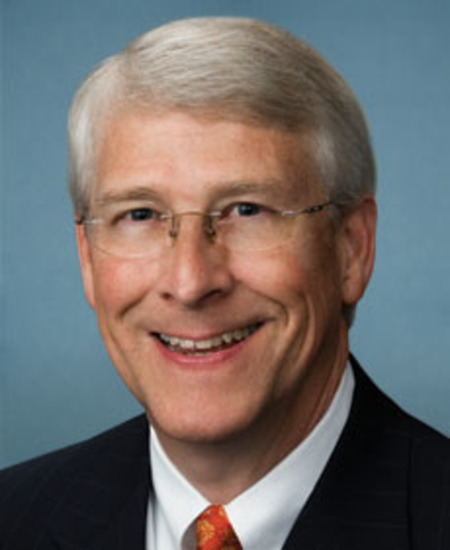
The Federal Tax Credit Scholarship Improvement Act amends the Internal Revenue Code to increase the maximum tax credit available for contributions to scholarship programs from $1,000 to $1,700 per taxpayer. This change directly affects individuals and married couples filing jointly who donate to qualified scholarship organizations, allowing them to claim a larger deduction against their federal taxes. The bill also establishes an automatic annual adjustment mechanism that increases the credit limit based on inflation starting in 2026, with any adjustments rounded to the nearest $50 increment. These provisions are set to take effect for tax years beginning after December 31, 2025.
The Keep Public Funds in Public Schools Act of 2026 eliminates a federal tax credit that allowed parents to deduct contributions to scholarship granting organizations from their income. By removing these specific tax breaks, the bill prevents the use of public tax dollars to support private school vouchers and scholarship programs. This change directly affects families who currently rely on these tax incentives to fund education outside the public school system. The provisions take effect for taxable years beginning after December 31, 2026.
HR 272, the Protecting Life and Taxpayers Act of 2025, prohibits federal funding (directly or indirectly) to any organization that performs or funds abortions, requiring certification from all recipients. This applies to entities receiving federal funds, including contractors and subsidiaries, with limited exceptions for pregnancies resulting from rape or incest, or when a physician certifies a life-threatening condition. The bill directly affects healthcare providers, clinics, and organizations that rely on federal grants or contracts. It changes existing funding rules by banning federal money from supporting abortion services, except in the specified medical or criminal exceptions.
This joint resolution seeks to block a Federal Communications Commission (FCC) rule that aimed to expand internet access for schools through the E-Rate program, specifically addressing the "homework gap" by increasing funding for student connectivity. The rule, published in the Federal Register on August 20, 2024, would have modified how schools and libraries access broadband under the E-Rate program. If passed, the resolution would cancel this rule, preventing it from taking effect under federal disapproval procedures. This is a procedural action targeting a specific FCC regulatory change, not a new policy.
This bill prohibits federal funds from being allocated as congressional earmarks (specific funding requests) to states or local governments designated as "sanctuary jurisdictions." A sanctuary jurisdiction is defined as any state or local area with policies that restrict sharing immigration status information or refuse to comply with Department of Homeland Security detainer requests. The law includes an exception for policies allowing cooperation with DHS when individuals are victims or witnesses in criminal cases. It applies to earmarks starting in fiscal year 2026, not general federal funding.
HR 909, the Crime Victims Fund Stabilization Act of 2025, modifies how funds from the False Claims Act are deposited into the Crime Victims Fund. It specifies that from 2025 through 2029, certain False Claims Act proceeds (specifically those for qui tam plaintiff payments and government damage reimbursements) cannot be deposited into the fund. This change directly affects the composition of the Crime Victims Fund by excluding these specific revenue streams during the specified period. The bill does not create new benefits or alter victim services; it only adjusts fund allocation rules for existing False Claims Act revenues.
HR 7 prohibits federal funds from being used for abortions or health insurance plans covering abortion, with exceptions for pregnancies resulting from rape, incest, or when a woman's life is endangered. It blocks federal premium tax credits under the Affordable Care Act for health plans covering abortion (except in specified cases) and requires clear disclosure of abortion coverage and related surcharges in plan materials. The bill allows individuals or employers to purchase separate abortion coverage using non-federal funds, such as out-of-pocket payments, without affecting federal subsidies. It directly affects federal health programs, ACA marketplace plans, and health insurance issuers offering coverage that includes abortion services.
The ALIGN Act (HR 574) allows businesses to immediately deduct the full cost of certain qualifying equipment and property (like machinery or tools) instead of spreading the deduction over several years. This permanent tax change directly affects businesses that invest in eligible property placed in service after September 2017. The key provision eliminates the previous depreciation rules for these assets, providing an immediate tax benefit to encourage capital investment. It does not change tax rates or apply to all business expenses, only specific types of equipment meeting the defined criteria.
The SLOT Act of 2025 raises the tax reporting threshold for slot machine winnings from $1,200 to $5,000 per play, meaning casinos no longer need to report winnings under this amount to the IRS. It directly affects slot machine players who win less than $5,000 in a single play and casino operators who previously filed tax forms for smaller wins. The threshold will automatically increase annually after 2026 based on inflation, rounded to the nearest $100. The change applies to winnings occurring after December 31, 2025.
HR 2202 prohibits federal funds from being used for gender transition procedures or health plans covering them in federal programs like Medicaid and the Affordable Care Act. It does not ban these procedures but restricts federal subsidies, requiring individuals to pay for such coverage using non-federal funds (e.g., out-of-pocket or private insurance not tied to federal programs). The bill defines gender transition procedures broadly to include hormonal treatments and surgeries (e.g., mastectomy, hysterectomy), with exceptions for medically necessary treatments related to disorders of sex development or complications from such procedures. It also clarifies that ACA premium tax credits and cost-sharing reductions cannot apply to plans covering these procedures, though separate non-federal-funded coverage remains an option.