

Maddy summaryHR 5673, titled "Stop the Trump Electricity Price Hikes Act," would reinstate financial assistance awards terminated by the Department of Energy under a May 15, 2025, secretarial memorandum. It directly affects recipients of these awards - likely energy or infrastructure projects - that had their funding cut, by restoring their financial support as if the terminations never occurred. The key mechanism requires the Department to treat all such terminated awards as valid and continuing, overriding prior termination actions. This bill does not address electricity pricing, consumer rates, or introduce new energy regulations.
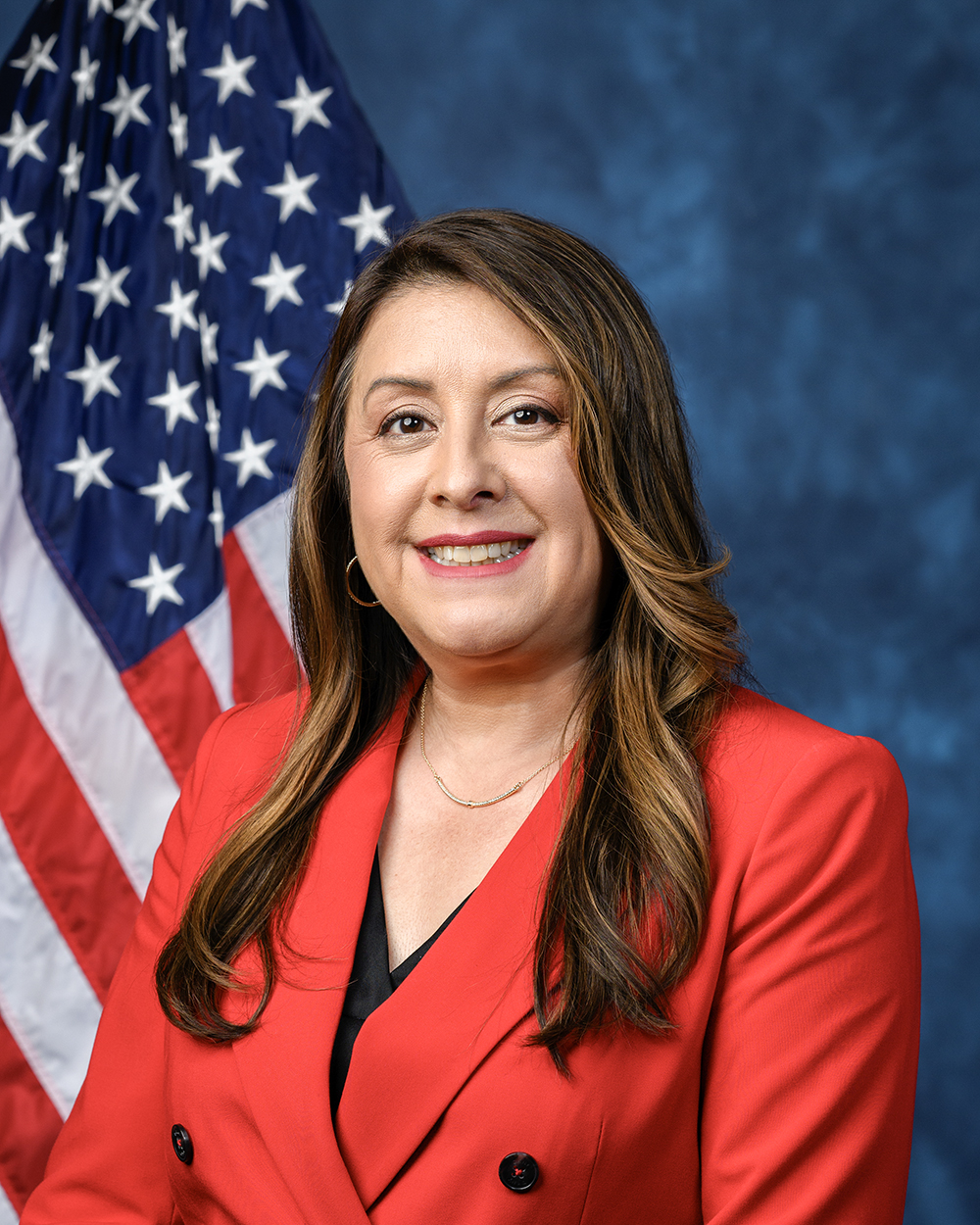
Rep. Luz M. Rivas
Sponsored bills
Fair Pay for Federal Contractors Act of 2025 This bill provides back pay to employees of federal contractors who lost pay due to a lapse in appropriations (i.e., government shutdown) in FY2026. Specifically, the bill provides appropriations for federal agencies that are subject to a lapse in appropriations in FY2026 to adjust the price of contracts to compensate federal contractors for providing back pay to employees who were affected by the lapse in appropriations. The agencies must adjust the price of any contract for which the contractor stopped, suspended, delayed, or interrupted all or part of the work under the contract due to the lapse in appropriations. The price adjustment must compensate the contractor for reasonable costs incurred to (1) compensate employees who were furloughed or laid off, were not working, or experienced a reduction of hours or compensation due to the lapse in appropriations; or (2) restore paid leave taken by employees during the lapse in appropriations if the contractor required or permitted employees to use paid leave as a result of the lapse in appropriations. The maximum amount of weekly compensation of an employee for which an adjustment may be made under this bill may not exceed the lesser of (1) the employee's actual weekly compensation, or (2) $1,442 (or a lesser amount pro-rated for an employee who works less than 40 hours per week). The bill also requires the Office of Federal Procurement Policy to submit a report to Congress on the adjustments made under this bill.
Maddy summaryThis bill requires the federal government to reimburse certain workers and states for specific costs incurred during government shutdowns lasting 14+ days. Covered workers include federal employees, District of Columbia public employees, and federal contractors who faced furloughs, unpaid work, or unpaid leave due to funding lapses. It mandates reimbursement for direct shutdown-related expenses like loan payments or credit card fees (defined as "shutdown costs"), and requires states to be reimbursed within 90 days for covering federal programs during such shutdowns. Applications for reimbursement must be submitted within one year of the shutdown ending, with payments drawn from a new Treasury Reserve Fund established by the bill.
Maddy summaryThis bill prevents federal agencies from terminating employees during a government shutdown caused by a lapse in discretionary funding. It prohibits removals of civil service employees at any agency affected by a funding gap, and if an employee is wrongfully removed, they can return to their job with back pay once funding resumes. The law directly protects all federal employees covered by the civil service system during shutdowns. It applies automatically to any funding lapse, requiring automatic reinstatement without needing separate legal action.
Maddy summaryThis resolution condemns the use of federal regulatory agencies (like the FCC) or lawsuits to suppress lawful speech critical of political parties or the President, specifically referencing concerns about tactics mirroring authoritarian practices. It does not create new laws but formally warns that such actions undermine First Amendment protections and democratic norms. The resolution directly affects media organizations, journalists, and public discourse by calling on government agencies to avoid using their power for political retaliation. It reaffirms the House’s commitment to protecting free expression and urges officials to refrain from pressuring media to silence criticism.
Maddy summaryThe Aviation Funding Stability Act of 2025 ensures continued operation of Federal Aviation Administration (FAA) programs during government funding gaps. It allows the FAA to use unspent funds from the Airport and Airway Trust Fund to maintain critical services - including air traffic control, airport infrastructure, and safety research - at the previous fiscal year's funding level if Congress fails to pass a new budget. This prevents shutdowns for up to 30 days or until a new budget is enacted, with spending limited to prior-year rates and subject to existing program rules. The bill directly affects all FAA operations, keeping airports and air traffic systems running during budget delays.
Maddy summaryHRES 734 is a symbolic resolution designating the third week of September as "Latino Conservation Week." It recognizes the Latino community's longstanding engagement in outdoor recreation and conservation activities, such as hiking, stewardship events, and environmental justice efforts on public lands. The resolution affirms that including Latino voices strengthens public lands protection and climate resilience, highlighting their role as a growing force in the outdoor economy. It does not create new laws or funding but formally supports the annual observance initiated by the Hispanic Access Foundation.
Maddy summaryHRES 746 is a non-binding resolution passed by the U.S. House of Representatives condemning all political violence - including attacks on elected officials, candidates, and public figures - and rejecting rhetoric that dehumanizes opponents. It specifically urges law enforcement to investigate and prosecute such violence, calls on public officials and media to avoid inflammatory language, and references recent incidents like the 2025 assassination of activist Charlie Kirk and targeted shootings of Minnesota legislators. The resolution does not create new laws but formally expresses the House’s commitment to protecting public servants and promoting peaceful political discourse. It directly affects the House’s public stance and serves as a call to action for officials, media, and communities to foster civil engagement.
Maddy summaryThe Tyler Clementi Higher Education Anti-Harassment Act of 2025 requires U.S. colleges and universities participating in federal financial aid programs to create and distribute clear anti-harassment policies covering harassment based on race, color, national origin, sex (including sexual orientation and gender identity), disability, or religion. These policies must explicitly prohibit harassment in all settings - including online, on campus, off-campus housing, and during school-sponsored activities - and outline reporting procedures and support services for victims. The bill also establishes a $50 million annual grant program to fund schools developing prevention programs, victim support services, or staff/student training on recognizing and addressing harassment. Grants are competitive, require annual reporting on effectiveness, and must be used to improve existing efforts without replacing existing civil rights laws like Title IX.
Maddy summaryThe Redistricting Reform Act of 2025 requires states to use independent redistricting commissions for congressional redistricting, banning partisan gerrymandering and requiring plans to comply with constitutional and Voting Rights Act standards. The bill establishes ranked criteria for redistricting, prioritizing population equality, voting rights protections, and community preservation over partisan advantage. It mandates multi-partisan commission composition with public input and transparency requirements, with states facing court-developed plans if they miss deadlines. The law would apply to redistricting after the 2030 census, affecting all 50 states' congressional district maps.