

Maddy summaryThis bill modifies Minnesota Statutes section 37.20 to update rules for peace officers at the Minnesota State Fair. It clarifies that the State Fair Society may appoint peace officers year-round (not just during the annual fair) to regulate fairgrounds. The bill also requires the Society to provide police service during major events drawing at least 2,500 attendees, extending coverage within half a mile of the fairgrounds. These changes directly affect the Minnesota State Fair Society's security operations and officer authority.
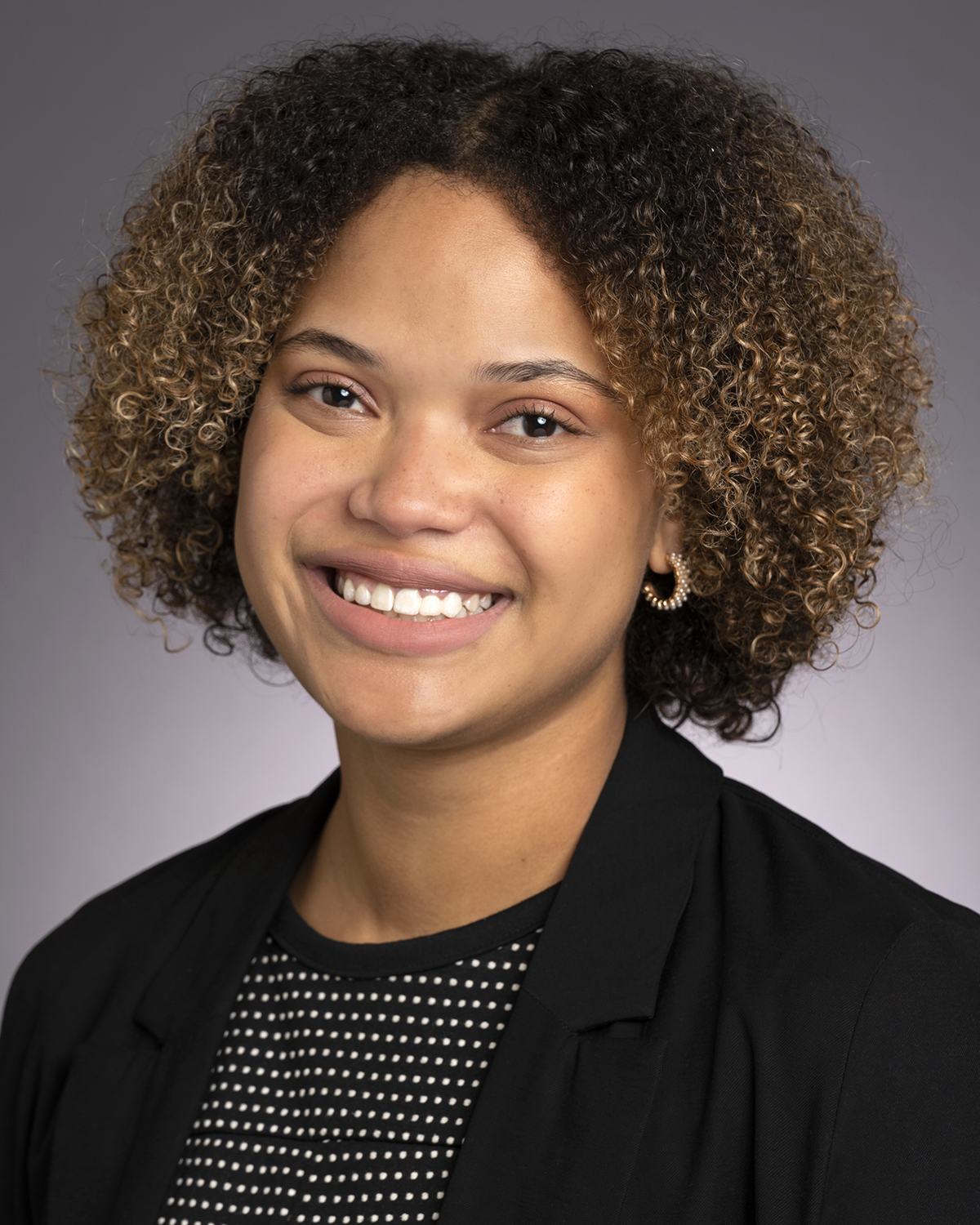
Sen. Clare Oumou Verbeten
Sponsored bills
Maddy summarySF 3202 establishes a rebuttable presumption that workers in Minnesota's trucking and messenger/courier industries are employees, not independent contractors. This means drivers operating licensed vehicles are presumed to be employees unless employers can prove seven specific conditions are met (e.g., the worker owns equipment, covers maintenance costs, has a written independent contractor agreement, and controls work methods). The bill amends Minnesota Statutes 181.722 and 268.035 to implement this change, shifting the burden to employers to demonstrate independent contractor status. It directly affects drivers in these industries and impacts how their employment status is determined for workers' compensation and unemployment benefits.
Maddy summarySF 3208 establishes a program to reimburse Minnesota law enforcement agencies for extraordinary costs incurred while responding to protests at the Capitol complex or governor's residence. Eligible expenses include overtime pay, supplies, backfill staff, and damaged equipment, with agencies required to apply within 60 days of a protest and provide documentation. The commissioner of public safety will review applications and approve or deny claims within 30 days, with annual reports detailing reimbursements starting in 2027. Funding of $...... for fiscal years 2026-2027 is appropriated from the general fund to support this program.
Maddy summaryThis bill creates a dedicated State Agricultural Society public safety account within the agricultural fund. It imposes a 30-cent fee on every admission ticket sold by the State Agricultural Society, with all collected fees deposited into this account. The funds will be used to provide grants to the cities of Falcon Heights and St. Paul for specific public safety and community services, including police and fire responses, traffic management, sanitation, and neighborhood cleanup efforts. The account is funded solely through the ticket surcharge, with no additional state appropriations required.
Maddy summarySF 3160 requires a commemorative work honoring J. Frank Wheaton (Minnesota's first African American state legislator, elected in 1898) on the State Capitol grounds by December 2027. It mandates educational materials for Minnesota schools about his civil rights advocacy and establishes annual progress reports for the project. The bill appropriates funds for design, installation, and related educational initiatives, including an annual "J. Frank Wheaton Legacy Day" with community programming. This is a commemorative measure with no policy changes, focused solely on recognizing historical contributions.
Maddy summarySF 942 requires schools to report students with seven or more unexcused absences in a school year to local welfare agencies. It modifies the definition of "habitual truant" to include children under 12 with seven unexcused absences, and establishes new procedures for welfare agencies to respond to attendance concerns. The bill appropriates funds for grants to local welfare agencies to provide culturally appropriate services addressing school attendance, including family engagement and educational support. These services aim to prevent educational neglect and improve attendance outcomes for affected students.
Maddy summarySF 3113 authorizes the state to issue up to $394.61 million in bonds for capital improvements at three specific St. Paul venues: the RiverCentre arena, RiverCentre complex, and Roy Wilkins Auditorium. The bill funds renovations, safety upgrades, accessibility features, HVAC/electrical system replacements, and other operational improvements at these venues. Proceeds from the bonds will be deposited into a dedicated state fund, with interest income used to cover debt service payments. The legislation directly affects these public event spaces and their operations, without specifying new policies or programs beyond the physical upgrades.
Maddy summarySF 3142 appropriates $100,000 from the workforce development fund for a one-time grant to "Fight for Your Dreams" to provide business and life skills training to youth. The funds will support mentorship programs with SIR Boxing Club, targeting young people for skill development. The appropriation is limited to fiscal year 2026 and expires on June 30, 2027. This bill directly affects youth participants and the nonprofit organization administering the program.
Maddy summarySF 2554 appropriates $170,000 from the workforce development fund for a one-time grant to Equitable Development Action. The funding supports training and ongoing support for direct support professionals (DSPs) who provide 24/7 care to residents with disabilities, mental health needs, or chronic illnesses. Key provisions include implementing safety-focused training, establishing mental health resources and peer support networks, and offering specialized modules to improve care quality and reduce emergency calls. Expected outcomes include better resident safety, higher DSP job satisfaction, reduced turnover, and enhanced compliance with regulations. The appropriation is available until June 30, 2027.
Maddy summaryThis bill establishes a grant program to fund comprehensive mental health services for youth with serious behavioral challenges through a "high-fidelity wraparound" approach. It provides $ for fiscal years 2026-2027 to counties and community providers to cover start-up costs, ancillary care, and service funding when other payors aren't available. Additionally, it appropriates funds for mental health services in juvenile detention centers, requiring the Department of Corrections to develop a statewide formula for equitable funding distribution to hire staff or contract for treatment. The bill directly affects children/youth in the mental health and juvenile justice systems, as well as county human services agencies and juvenile detention centers.