

Maddy summarySF 1625 appropriates $7 million from the general fund to Comunidades Organizando el Poder y la Acción Latina (COPAL) for a one-time grant. The funding will design, construct, furnish, and equip a new Latino Center for Community Engagement (LCCE), providing shared workspaces for COPAL and partner organizations. The center will also serve as a workforce development training hub to support local employment opportunities. This bill directly affects COPAL and its community partners by enabling a physical space for engagement and economic advancement.
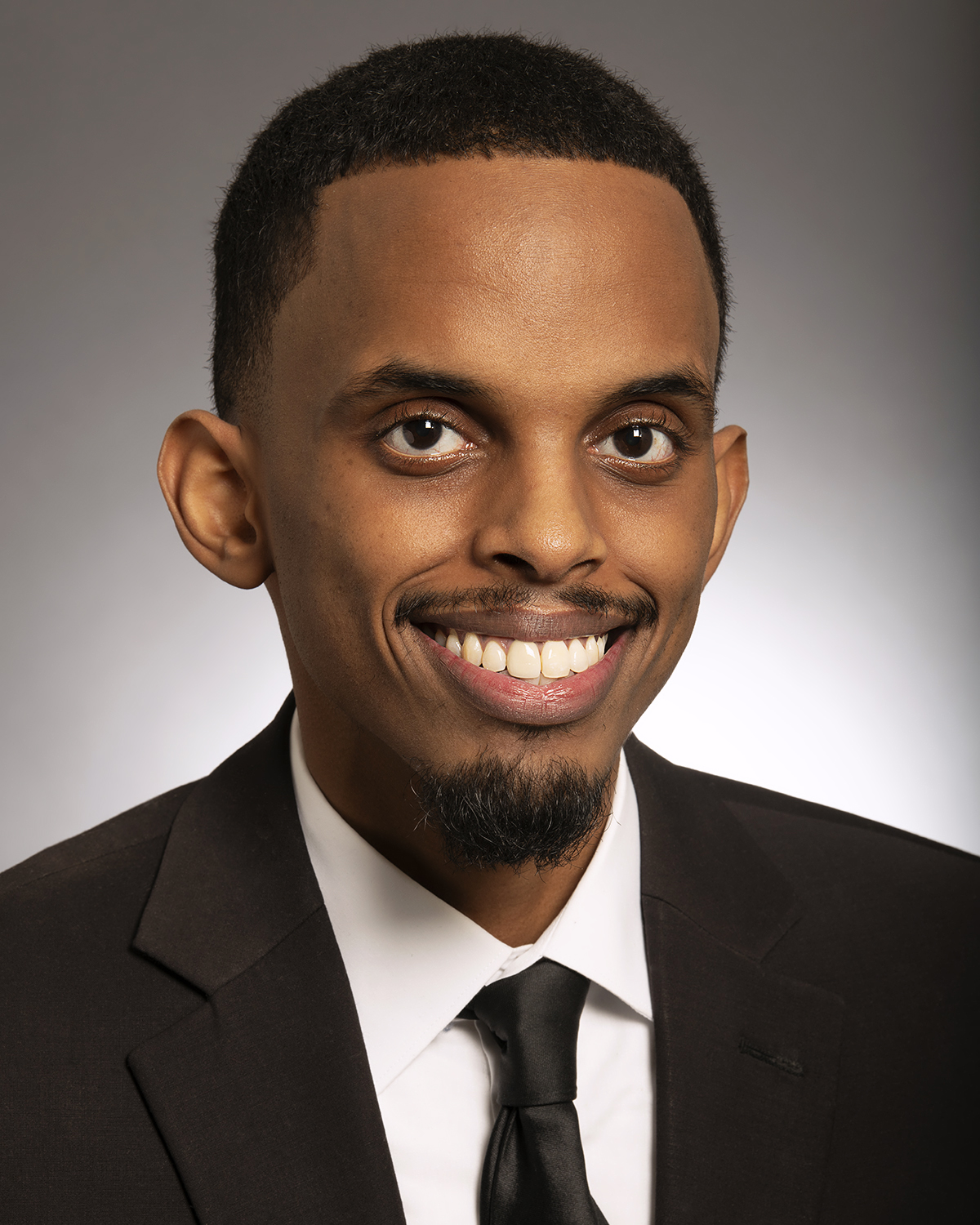
Sen. Omar Fateh
Sponsored bills
Maddy summarySF 2168 exempts assisted living facilities licensed under Minnesota Statutes chapter 144G from existing compensation requirements for direct care staff. Currently, most providers must spend 45-66% of revenue on staff compensation (wages, benefits, paid time off, etc.), but this bill removes that requirement specifically for assisted living facilities. The change applies directly to these facilities, which provide residential care for older adults or individuals with disabilities. This is a technical amendment to Minnesota Statutes section 256B.4914, subdivision 10d, making the exemption explicit.
Maddy summaryThis bill protects the personal information of Minnesota county attorneys and their staff by restricting public dissemination of specific details. It adds county attorneys and office employees to the definition of "judicial official" and prohibits sharing residential addresses, family member details, non-work phone/email, and children's school information. The law does not apply to information already publicly available through government records or widely distributed media. It directly affects county attorney offices statewide by requiring new safeguards for staff privacy.
Maddy summaryThis bill modifies Minnesota's rules for assisted living facilities terminating resident contracts. It requires facilities to hold in-person or virtual meetings with residents (and their representatives) at least 7 days before termination for most cases, explaining reasons and offering alternatives like other service providers. Facilities must also provide written notices 30 days in advance (15 days for emergencies), detail termination reasons, and share contact info for public benefit programs like Senior LinkAge Line. The bill directly affects assisted living facilities, residents, and their legal representatives by adding procedural safeguards before contract termination.
Maddy summaryThis bill appropriates $1 million for fiscal year 2026 and $1 million for fiscal year 2027 from the arts and cultural heritage fund to the Somali Museum of Minnesota. The funding supports the museum’s heritage arts and cultural vitality programs, including classes, exhibits, and presentations about Somali culture in Minnesota. It specifically covers outreach about the Somali community, extended operating hours, and free or reduced-fee programming for schools and community events. The bill directly affects the Somali Museum of Minnesota and the communities it serves through these cultural programs.
Maddy summarySF 2052 modifies how Minnesota calculates payment rates for community-based human services providers, directly affecting organizations delivering personal care, professional services, and support programs. The bill requires using Minnesota-specific median wages (from 2021 Bureau of Labor Statistics data) to set base wage rates for staff, such as personal care aides and social workers, and establishes a competitive workforce factor (4.7% for most services) to adjust rates biennially. It mandates that these updated rates, including factors for taxes, benefits, and administration, be published online annually to reflect current labor market conditions. The changes take effect starting January 1, 2026, with adjustments every two years.
Maddy summaryMinnesota Senate File 2053 (SF 2053) requires the state Commissioner of Human Services to submit a report by March 15, 2027, detailing cost calculations for proposed wage and benefit increases in collective bargaining agreements between the state and direct support service providers. The report must estimate reimbursement rates, including costs for wage floor increases, paid time off adjustments, holiday pay, benefits, and related tax impacts (like FICA and unemployment taxes) for all providers. It mandates that the commissioner assume all providers would receive full rate increases equal to proposed changes, without assuming any cost absorption by employers. This bill directly affects human services providers in covered programs and the state’s budgeting process for implementing future agreements.
Maddy summaryThis bill amends Minnesota Statutes section 161.045 to clarify prohibited uses of highway user tax distribution funds and trunk highway funds. It specifically prohibits spending these funds on 17 items, including tourist kiosks (Explore Minnesota), driver education programs, Bureau of Criminal Apprehension labs, parades/events, electric vehicle infrastructure, and certain state agency offices like the Office of Transit and Active Transportation. The restriction applies to all expenses - payroll, supplies, equipment - for these named programs. State agencies managing highway funds must now comply with these spending limitations when allocating resources.
Maddy summaryThis bill appropriates funds from the arts and cultural heritage fund to create competitive grants for developing cultural studies materials. It directly supports schools and communities that lack adequate resources for underrepresented groups, including Hmong, Karen, Somali, Oromo, and oral-based cultures without formal writing systems. Recipients must collaborate with school districts planning to use the materials. The funding targets fiscal years 2026 and 2027 for creating high-quality academic materials to address current gaps.
Maddy summarySF 1607 appropriates $10 million for fiscal year 2026 and $10 million for 2027 to fund University of Minnesota health initiatives targeting underserved communities. The bill directs these funds to expand existing programs like the Community-University Health Care Center, Mobile Health Initiative, and a new One Health Clinic pilot, which integrates human, animal, and environmental health care. It also requires the university to incorporate health equity curriculum into health science programs and increase student clinical training opportunities in underserved areas. This funding directly supports the University of Minnesota’s efforts to improve access to care in communities with limited health resources. The bill affects UMN’s operations, underserved Minnesotans seeking care, and health science students gaining practical experience.