

Maddy summarySF 4042 requires all Minnesota public K-12 schools to implement 24/7 anonymous reporting systems by July 2028. These systems must include mobile apps, multilingual crisis centers staffed by trained professionals, and coordinated responses to threats involving students or staff. Schools must also provide evidence-based violence prevention training for students and public awareness about the system. Nonpublic schools are exempt, and the Department of Education must maintain a list of compliant third-party systems by 2027. The bill aims to improve school safety through accessible reporting while ensuring data privacy compliance.
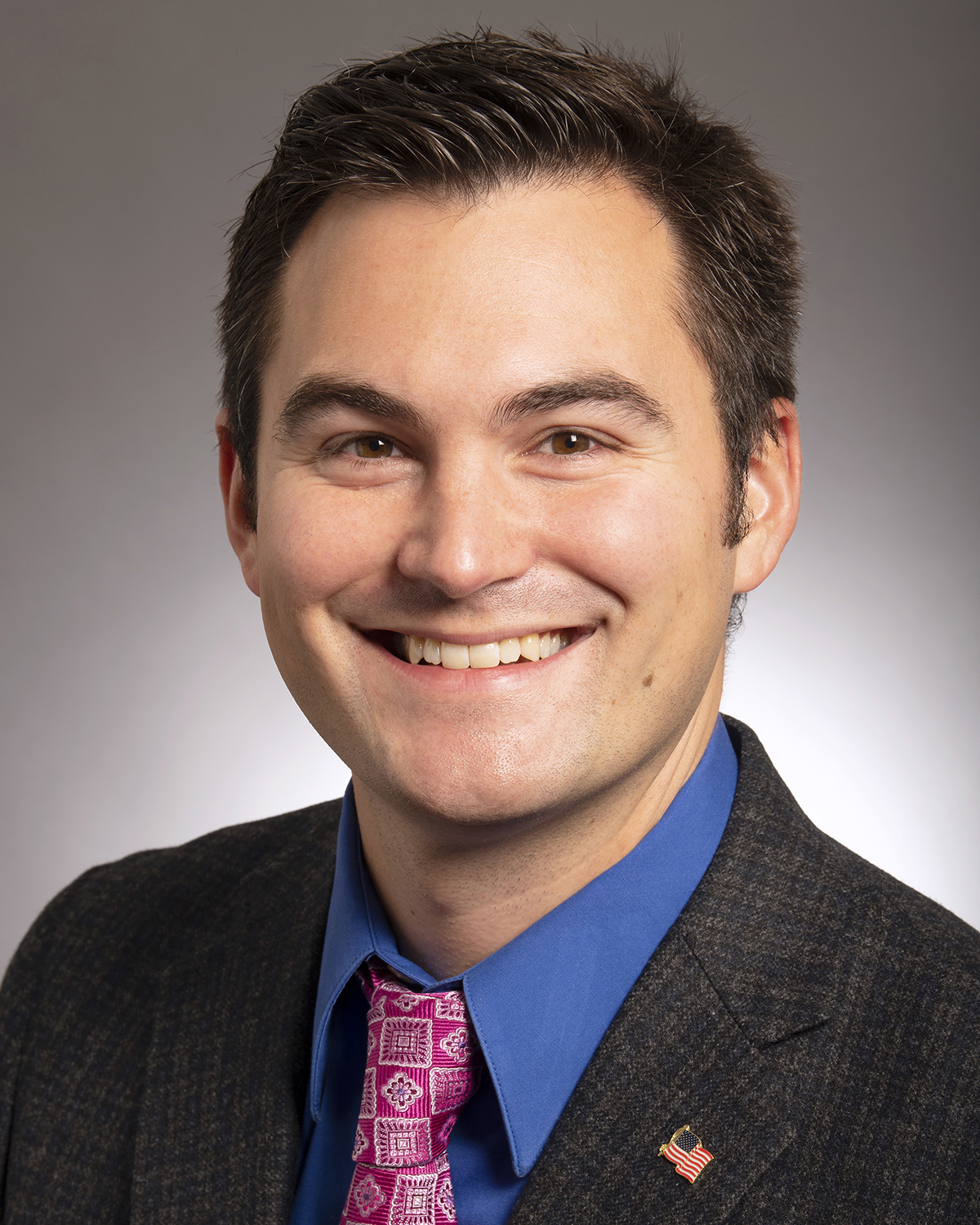
Sen. Zach Duckworth
Sponsored bills
Maddy summaryThis bill modifies Minnesota teacher licensure rules by requiring two hours of dyslexia-specific professional development for all teachers renewing their licenses. It directly affects licensed educators renewing credentials under sections 122A.181-122A.184, mandating training on dyslexia’s effects on reading skills, effective instructional strategies, and related mental health considerations. The training must be provided at no cost to teachers or districts, developed with input from dyslexia specialists, and completed once during initial licensure or renewal. The requirement applies to all licenses issued on or after July 1, 2027.
Maddy summaryThis bill appropriates $84 million from state bond proceeds to fund a new campus center at the University of Minnesota Saint Paul campus. The funds will cover predesign, construction, renovation, and related infrastructure work, including site preparation and utility upgrades. The University of Minnesota must cover the remaining one-third of project costs using its own resources. The state will issue bonds up to $84 million to provide this funding, as authorized under Minnesota law.
Maddy summarySF 3966 appropriates $100 million from state bond proceeds to fund the University of Minnesota's Higher Education Asset Preservation and Replacement (HEAPR) program. The bill authorizes the state to sell up to $100 million in bonds to cover this funding, directly affecting the University of Minnesota Board of Regents, which will manage the infrastructure projects. Key provisions include using bond funds for preserving and replacing campus assets under Minnesota Statutes §135A.046, with the bond sale following state bond procedures. This is a funding mechanism for campus infrastructure upgrades, not a new policy affecting broader public programs.
Maddy summaryThis bill modifies Minnesota's definition of an "adult operator" for motorboats and personal watercraft. It raises the minimum age requirement based on birth dates: operators must be 12+ and born on or after July 1, 2004 (effective July 1, 2025), with later birth date requirements phased in over subsequent years. The change directly affects individuals operating motorboats in Minnesota who must meet these age criteria. The bill updates Minnesota Statutes section 86B.30, subdivision 3, to reflect these revised age thresholds.
Maddy summarySF 3740 would allow Minnesota local governments to ban cannabis businesses within 500 feet of congregate housing for children, congregate housing for transplant recipients, and hospitals. This amendment expands existing restrictions (which already prohibit cannabis businesses within 1,000 feet of schools) to add these specific facilities. The bill does not change current rules for schools or other locations, but adds these new protected zones. Cannabis businesses operating near these facilities would need to comply with local ordinances under this provision. The bill affects cannabis business locations seeking to operate near these sensitive community facilities.
Maddy summaryThis bill appropriates $350,000 from the arts and cultural heritage fund to expand the Stillwater Veterans Memorial in Stillwater, Minnesota. The funds will directly support the memorial's physical expansion to honor veterans of the U.S. armed forces. The appropriation is specifically for fiscal year 2027 and requires the commissioner of administration to distribute the grant to the Stillwater Veterans Memorial organization. The bill does not change laws or create new programs - it solely allocates existing state funds for this specific memorial project.
Maddy summaryThis bill appropriates $350,000 from the state general fund for a one-time grant to the Stillwater Veterans Memorial. The funds will expand the veterans' memorial located in Stillwater Veterans Memorial Park within the city of Stillwater. The grant is designated for fiscal year 2027 and is specifically intended to support physical improvements to the memorial site. The bill is currently in its early legislative stage, having been introduced and referred to committee on February 19, 2026.
Maddy summaryThis bill establishes a legal framework for peer-to-peer car sharing in Minnesota by defining key terms and clarifying regulatory status. It specifies that peer-to-peer car sharing - where vehicle owners rent their cars to others through a platform - is not considered a "lease or rental" under Minnesota law for vehicles (passenger cars, vans, or pickup trucks) used for 28 days or less. The bill directly affects vehicle owners who share their cars via platforms and drivers who use these services, distinguishing this model from traditional rental companies. It amends insurance and vehicle regulations to ensure these arrangements fall outside standard rental/lease licensing requirements.
Maddy summaryThis bill increases property tax relief for Minnesota veterans with service-connected disabilities. It raises the market value exclusion from $150,000 to $250,000 for veterans with a 70%+ disability rating, and from $300,000 to $500,000 for those with a 100% permanent disability. The exclusion applies to the veteran's homestead property (primary residence), and surviving spouses who qualify may also retain the benefit. To qualify, veterans must have an honorable discharge and a VA-certified disability rating, and must apply to their county assessor by December 31 each year. This change directly affects eligible veterans, their primary family caregivers, and surviving spouses who meet the criteria.