

Maddy summarySF 2117 would expand Minnesota's medical assistance program to cover traditional health care practices provided by specific Indian health facilities. It requires the state to seek a federal waiver by October 2025 to cover care received at Indian Health Service facilities, tribal clinics under the Indian Self-Determination Act, or urban Indian organizations. Reimbursement would follow existing Indian Health Service outpatient rates, limited to one payment per day per enrollee. This policy change, effective January 1, 2026, directly affects medical assistance enrollees who access these traditional health services through qualified providers.
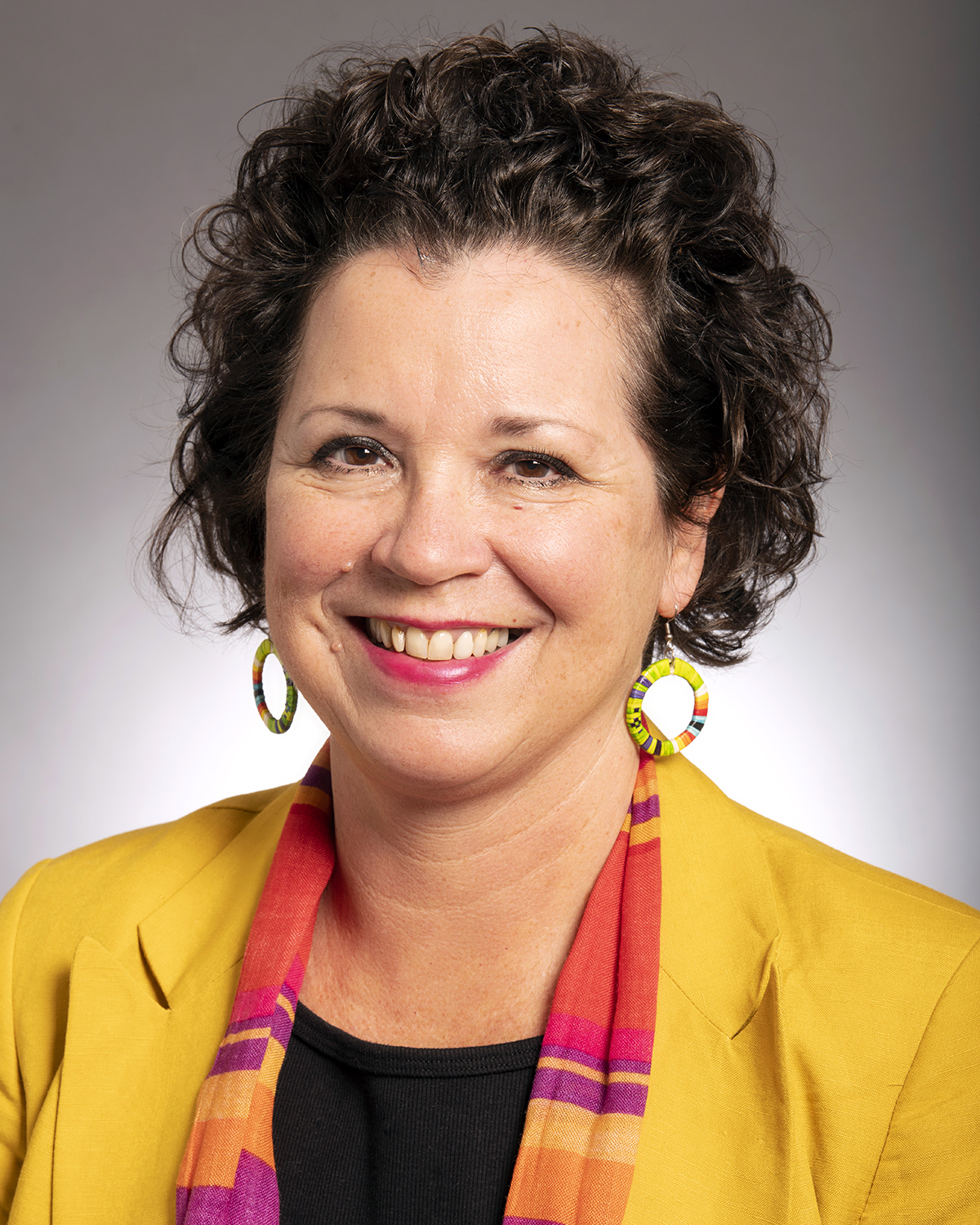
Sen. Mary Kunesh-Podein
Sponsored bills
Maddy summarySF 942 requires schools to report students with seven or more unexcused absences in a school year to local welfare agencies. It modifies the definition of "habitual truant" to include children under 12 with seven unexcused absences, and establishes new procedures for welfare agencies to respond to attendance concerns. The bill appropriates funds for grants to local welfare agencies to provide culturally appropriate services addressing school attendance, including family engagement and educational support. These services aim to prevent educational neglect and improve attendance outcomes for affected students.
Maddy summaryThis bill (SF 3167) requires counties, cities, or medical providers (like hospitals or clinics) to be reimbursed for costs of medical exams performed on victims of domestic assault by strangulation. The exams must be done to gather evidence for court cases, and the costs will now be paid through Minnesota’s existing reimbursement system under statute 609.35. It directly affects victims in these cases and the medical facilities providing the exams, ensuring they aren’t left to cover the costs themselves. The change takes effect July 1, 2025.
Maddy summaryThis bill modifies Minnesota's required instructional hours for public schools. It increases kindergarten instructional hours from 425 to 850 hours annually for all-day programs, while maintaining 935 hours for grades 1-6 and 1,020 hours for grades 7-12. The bill clarifies that up to five days of online instruction due to weather may count toward these totals, provided they follow existing protocols. It also ensures districts cannot deny required services like special education, and requires the Department of Education to update policies to support flexible instructional models. The changes directly affect all Minnesota public school districts serving K-12 students.
Maddy summarySF 3083 requires Minnesota's Commissioner of Agriculture to update the state's pesticide management plan to include pesticides from treated seeds and their breakdown products in groundwater and surface water monitoring. The bill mandates new labeling for certain pesticide-treated seeds, establishes a program for systemic pesticides (pesticides absorbed by plants and spread through plant tissue), and broadens coordination to include local governments and public health agencies in plan development. It also adds requirements for monitoring pesticide contamination in air quality and increases penalties for pesticide damage to state outdoor recreation lands. The bill appropriates funds to support these new monitoring, labeling, and program requirements.
Maddy summarySF 757 would authorize mobile sports betting and fantasy contests in Minnesota, establishing a state licensing system for operators. It prohibits local governments from banning these activities, requires operators to pay taxes on winnings, and sets rules for responsible gambling. The bill specifically excludes horse racing and high school sports from coverage while clarifying that skill-based fantasy contests remain legal. It affects licensed operators (including tribal casinos under existing compacts), consumers aged 21+, and local jurisdictions that can no longer restrict these services.
Maddy summarySF 2509 establishes Minnesota's Headwaters Community Food and Water Economic Resiliency Program to support local sustainable food systems. The bill provides financial and technical assistance to urban and rural producers in regenerative food systems, including funding for infrastructure like storage facilities, neighborhood food commons, weather-resilient water systems, and culturally relevant food access programs. It specifically requires support for Black, Indigenous, and people of color food producers and creates a fund to make fruits and vegetables affordable across all income levels. The program will be administered by the commissioner of employment and economic development with guidance from an advisory committee representing diverse community stakeholders.
Maddy summaryThis bill modifies Minnesota's Statewide Office of Appellate Counsel and Training (SOACT) and its governing board. It establishes a seven-member board with specific membership rules (including tribal representation and restrictions on judges/lobbyists), adjusts salary terms for SOACT attorneys to match county attorney levels, and clarifies the office's role in providing appellate representation for parents in juvenile protection cases and training parent attorneys. The changes focus on structural organization, board composition, and compensation for SOACT staff, directly affecting the office's leadership, board members, and attorneys employed under the program. The bill does not create new services but refines existing governance and employment terms.
Maddy summaryThis bill appropriates $300,000 for each of fiscal years 2026 and 2027 to fund civic education programs through the YMCA Center for Youth Voice. It directly supports youth under 18 and teachers by requiring programs to teach constitutional principles, democratic foundations, and government structures. The funds cover teacher professional development, educational resources, and program support. The bill creates a specific funding mechanism for civic education without altering existing laws or regulations.
Maddy summarySF 2930 appropriates $5 million from the arts and cultural heritage fund for fiscal year 2026 to build a cultural center for the White Earth Tribal Community. The bill directly provides funding to the White Earth Nation tribal government for construction of the facility. This is a straightforward funding measure with no additional policy provisions or requirements beyond the grant allocation. The bill focuses solely on authorizing the expenditure for this specific cultural infrastructure project.