

Maddy summarySF 2392 expands an existing carve-out from prior authorization requirements for specific mental health medications under Minnesota's Medicaid program. The bill directly affects Medicaid patients prescribed certain mental health drugs (like antipsychotics, antidepressants, or antianxiety medications) by preventing prior authorization barriers when: no generic equivalent exists; the drug was prescribed before July 1, 2003; or it's part of the patient's current treatment. Key provisions include automatically granting 60 days of prior authorization for brand-name mental health drugs when a generic becomes available, provided the brand was already in the patient's treatment. This reduces administrative hurdles for patients and providers while maintaining existing prior authorization rules for other medications.
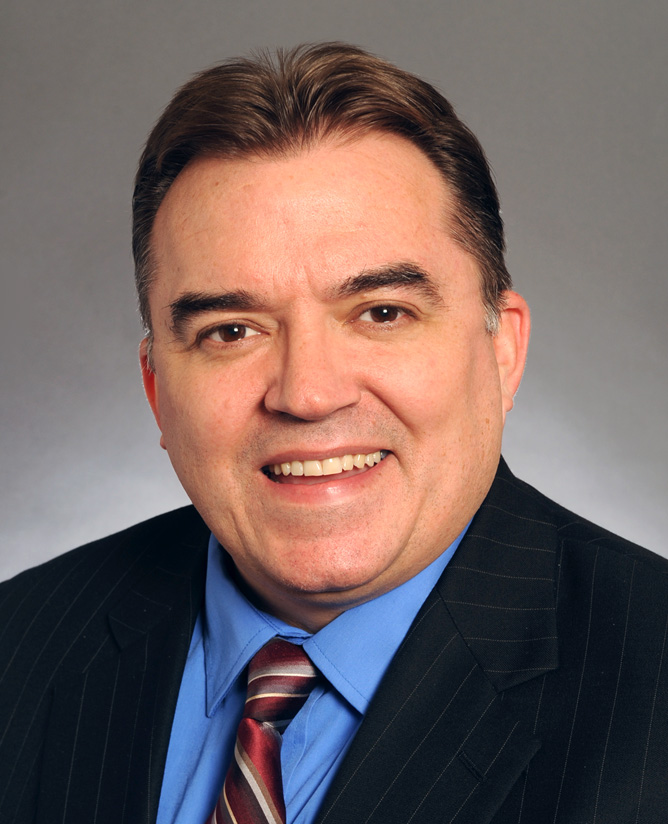
Sen. John Hoffman
Sponsored bills
Maddy summaryThis bill creates a supplemental anatomical gift education program for Minnesota driver's license and identification card applicants. Adults who complete the program receive a 50% discount on their standard driver's license or Minnesota ID card fee (not applicable to permits, provisional licenses, or renewals). The bill also adds an optional $2 donation line to the fee, funding public education on anatomical gifts. It directly affects Minnesotans applying for or renewing regular driver's licenses or ID cards.
Maddy summaryThis bill appropriates $1.936 million from the health care access fund to the commissioner of human services for one-time grants to qualified navigator organizations. It directly affects organizations with active MNsure navigator contracts that helped enroll people in health insurance during the second quarter of 2025. Grants are calculated based on each organization's verified success in enrolling medical assistance and MinnesotaCare participants, as tracked by MNsure. The funding is available until June 30, 2027, and must be distributed proportionally to organizations meeting the enrollment criteria.
Maddy summaryThis bill extends the expiration date for two existing caregiver support funding streams from June 30, 2027, to June 30, 2028. It affects the $2 million allocated for respite services grants and the $2.5 million for caregiver support programs under Minnesota Statutes sections 256.9756 and 256.9755. The key change modifies the deadline for using these one-time appropriations, ensuring funding remains available for programs serving caregivers through 2028. This extension directly benefits Minnesota's aging and adult services programs and the caregivers they support.
Maddy summaryThis bill provides a refundable sales tax exemption for construction materials used in a water storage facility supporting Brooklyn Park's biotech innovation district. It applies to materials purchased between November 30, 2025, and January 1, 2029, with taxes collected initially but then refunded through the same process as other qualifying projects. The state would fund these refunds using general fund appropriations. The exemption directly affects Brooklyn Park developers and construction companies working on this specific water infrastructure project during the specified period.
Maddy summaryThis bill appropriates $3 million from the general fund for fiscal year 2026 to Community Mediation Minnesota to administer a statewide family mediation pilot program. The funds will support services for grandparents and families facing disputes, including dispute resolution, increasing access to mediation, training mediators, and partnering with culturally specific programs. Key provisions require the program to provide family reconnection coaching, navigation services, and integrate with legal and court resources, while also evaluating program effectiveness. This is a one-time appropriation focused on expanding mediation access, not a law changing legal standards.
Maddy summaryThis bill eliminates certain sales and use tax exemptions and imposes a new 2% gross receipts tax on specific business-to-business services in Minnesota. It directly affects businesses providing professional services (like legal, accounting, consulting, and repair services) to other businesses, requiring them to pay tax on their gross receipts from these transactions. The tax applies to 18 service categories listed in the bill, including management consulting, computer services, and automotive repair. Businesses may collect the tax from their clients but are not required to do so, and the tax is in addition to existing state taxes. The bill repeals several existing tax exemptions to implement this change.
Maddy summarySF 3149 establishes a county-administered rural medical assistance program (CARMA) in Minnesota, directly affecting rural counties and medical assistance recipients. The bill requires county boards to be actively involved in developing service contracts, ensuring proposals address local community needs and access to care, and setting local public health goals for health plans. It mandates the state commissioner to seek federal waivers and sets a deadline of January 1, 2027, for counties with existing programs to transition to this county-administered model. The law also creates a mediation process to resolve disputes between counties and the state over health plan selection or contract terms.
Maddy summaryThis bill establishes a working group within Minnesota's Department of Education to review the current age limit for children receiving special education services for developmental delay. The group, composed of specific education and advocacy representatives, will examine whether raising the eligibility age from six to seven years would improve access to services. The working group must submit findings and recommendations to the legislature by February 1, 2026, but does not change current law or service eligibility itself. The bill directly affects children with developmental delays who may qualify for early intervention services under the current age limit.
Maddy summaryThis bill modifies Minnesota's family support and consumer support programs to clarify eligibility and funding rules for individuals with disabilities. It specifies that support grants (capped at $250 monthly or $3,000 yearly) cover services directly tied to a disability that are "over and above normal care costs," such as adaptive swimming lessons for drowning prevention. The bill requires that no other public or private funds cover the same service and prohibits reimbursement for fees already paid through other programs. These changes apply to families and individuals receiving support grants under Minnesota Statutes sections 252.32, 256.476, and 256B.85.