

Maddy summaryThis bill modifies requirements for Minnesota's waiver reimagine program, which provides home and community-based services to people who would otherwise need institutional care. It directs the commissioner of human services to implement an individualized budget system based solely on assessed care needs rather than where a person lives, while allowing exceptions for specific home care nursing services. The legislation also requires the development of an online tool by July 2026 to help people track their available budgets and service choices, and mandates that new service options allow individuals to live in their preferred home or community setting without disrupting existing care.
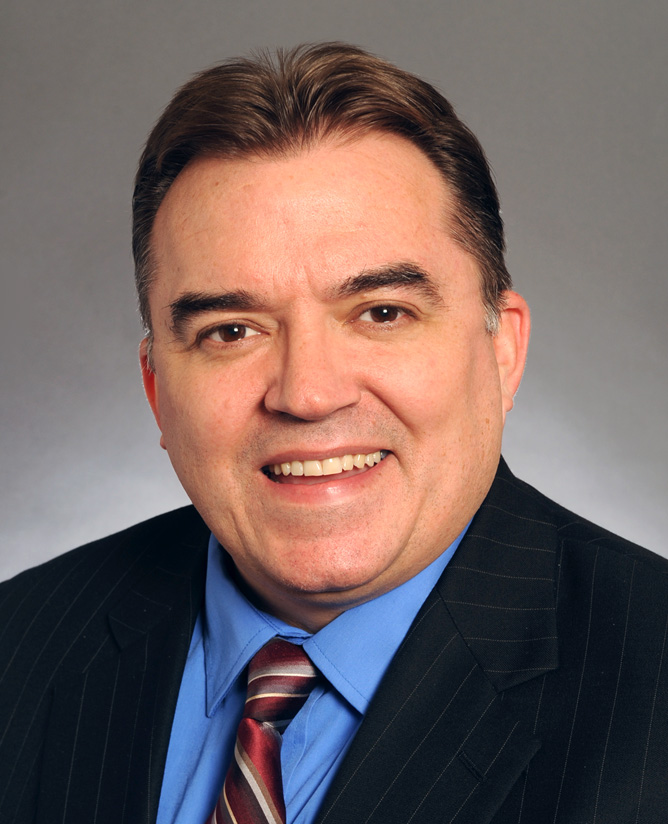
Sen. John Hoffman
Sponsored bills
Maddy summarySF 3782 exempts certain corporate officers of S corporations from Minnesota's paid leave program. Specifically, it adds a provision stating that corporate officers who own 25% or more of their S corporation (directly or through subsidiaries) are excluded from the definition of "employee" under the law. This means these officers would no longer qualify for paid leave benefits under the program. The bill amends Minnesota Statutes 2024, section 268B.01, subdivisions 15(c)(4) and 17(d), to include this exclusion.
Maddy summaryThis bill creates a new legal pathway for individuals in Minnesota to sue when their civil rights are violated by officials acting under state or federal authority (e.g., police or government employees). It allows victims to seek damages, attorney fees, and other relief for deprivations of rights protected by the U.S. or Minnesota Constitutions, with a six-year statute of limitations. Additionally, it requires state/local law enforcement agencies to obtain written agreements from federal partners ensuring federal officers abide by constitutional standards and can be held liable under this new law. The provisions apply to all pending or future civil cases filed after the bill takes effect.
Maddy summaryMinnesota bill SF 4071 amends multiple statutes to clarify and strengthen oversight requirements for medical assistance providers. It defines "controlling individual" to include key officers, compliance officers, and managerial officials responsible for program operations, while excluding certain entities like banks or minor shareholders. The bill requires license holders to designate specific staff members to manage program compliance and oversee services, ensuring accountability under existing licensing rules. This directly affects healthcare providers participating in Minnesota's medical assistance programs (like Medicaid), requiring clearer internal accountability structures for high-risk providers. The changes aim to improve program integrity through defined roles and oversight responsibilities.
Maddy summaryThis bill modifies how Minnesota calculates compensatory aid for public school districts in fiscal year 2027. It requires districts to use the greater of their actual FY 2027 calculation or their FY 2024 calculation for determining aid amounts, protecting districts from potential funding decreases. The bill also sets a new statewide funding target of $857,152,000 for FY 2027 and later, up from previous levels. This directly affects school districts receiving compensatory aid, particularly those serving students from low-income households (based on free/reduced-price meal eligibility data).
Maddy summaryThis bill adds occupational therapy services to the list of eligible services funded under Minnesota's children's mental health grants. It specifically allows grants to cover occupational therapy services for children with emotional disturbances, as defined in state law. The key mechanism is amending statutes to include "occupational therapy services" (defined as behavioral health services provided by licensed occupational therapists) under grant-eligible services for children's mental health programs. This directly affects children with emotional disturbances receiving mental health support, occupational therapists providing these services, and mental health service providers applying for these grants.
Maddy summaryThis bill modifies reporting requirements for gas utilities when seeking rate increases. It requires utilities to provide detailed, itemized reports of travel, entertainment, and executive expenses (including dates, amounts, and business purposes) in rate case filings. The bill eliminates a sunset provision that previously limited the recovery of gas utility infrastructure costs to a specific timeframe. These changes apply directly to gas utilities filing rate cases with Minnesota's Public Utilities Commission.
Maddy summaryThis bill (SF 3909) repeals a 2025 law (Laws 2025, First Special Session chapter 10, article 7, section 8) that required Minnesota to assume a $250 million annual reduction in special education aid funding starting July 2027. The repeal removes the mechanism that would have triggered further funding cuts if savings from special education reforms fell short of $250 million. By eliminating this contingent reduction, the bill ensures special education aid appropriations will not be automatically reduced based on that assumption. The change takes effect July 1, 2026, directly affecting how state funding for public school special education programs is calculated.
Maddy summaryThis bill creates a new legal claim in Minnesota for individuals whose constitutional rights were violated by state or local officials acting under the authority of law. It allows victims to sue officials for damages, attorney fees, and other relief, with claims needing to be filed within six years. The bill also requires written agreements for state/local law enforcement to collaborate with federal agencies, mandating that federal officers under such partnerships can be held liable for constitutional violations. It directly affects people seeking redress for rights violations and law enforcement agencies entering federal partnerships.
Maddy summarySF 3931 prohibits Minnesota state agencies from withholding federal income tax from state employees' paychecks. The bill requires that when processing state employee pay, the commissioner of management and budget or agency heads must not withhold or remit federal income tax, replacing the previous requirement under Minnesota Statutes 16A.13. This repeal of the existing law (16A.13) shifts the responsibility for federal tax collection from the state to employees themselves. As a result, state employees would receive their full pay without federal income tax deductions, and they would be responsible for filing and paying their own federal income tax.