

Maddy summaryThis bill allows the city of Farmington to issue social district licenses that permit the consumption of alcoholic beverages in designated outdoor areas near licensed bars and restaurants. The legislation requires cities to clearly define district boundaries with signage, establish management plans for public safety, and mandate that drinks be served in non-glass containers with responsible drinking warnings. Key provisions include rules that beverages must be purchased from on-sale licensees within or adjacent to the district, consumed only during specified hours, and disposed of before leaving the area unless returning to the original establishment. The bill also requires the city to submit a report within 24 months detailing the district's operation, community response, and any public safety issues encountered.
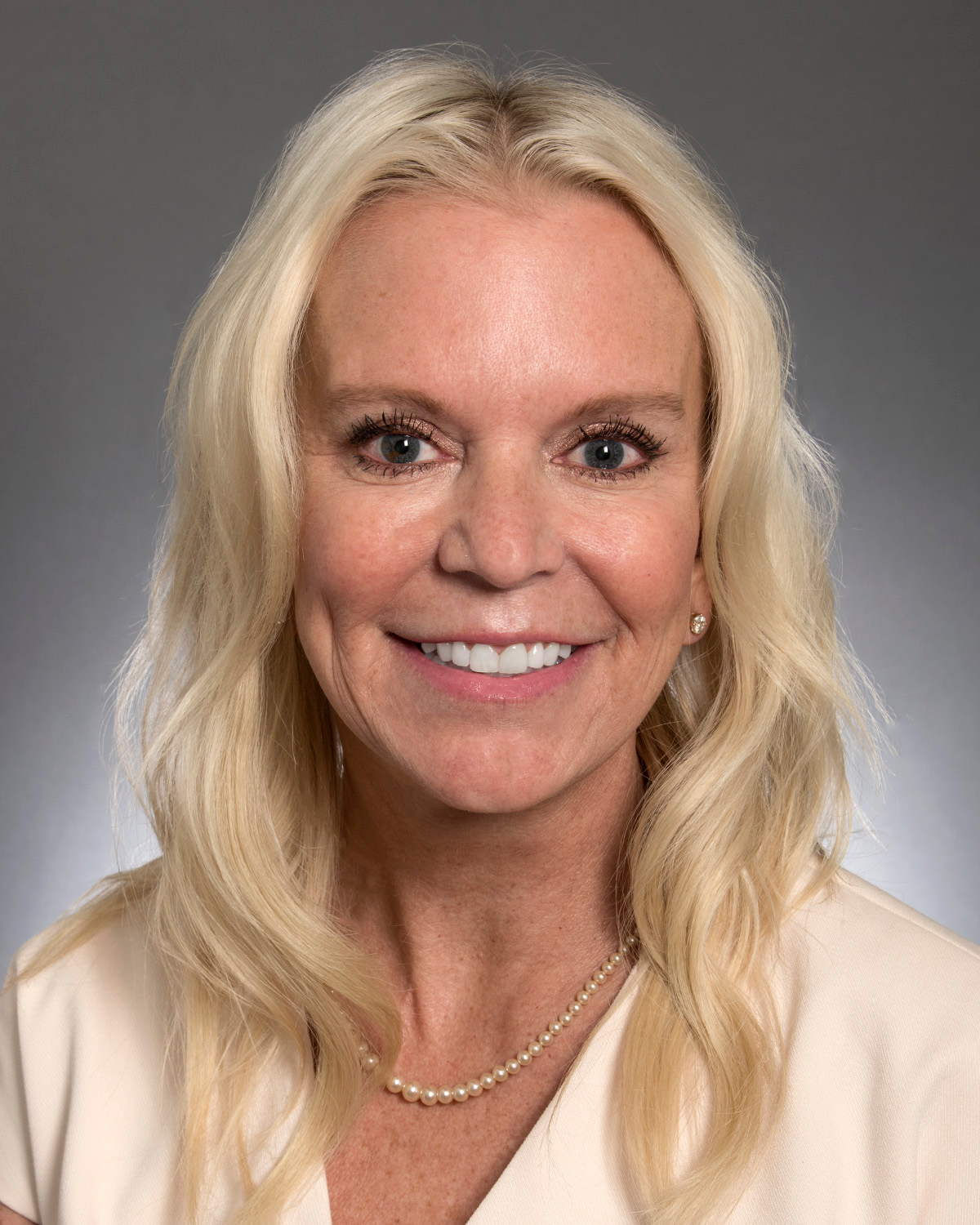
Sen. Karin Housley
Sponsored bills
Maddy summaryThis bill allocates $250 million from Minnesota's general fund to the Public Facilities Authority for lead service line replacement grants. The money is designated for fiscal year 2027 and remains available until June 30, 2034. Funds will be distributed under existing state law to help property owners replace water pipes containing lead. The appropriation is a one-time allocation intended to support infrastructure improvements related to drinking water safety.
Maddy summarySF 3881 grants the Office of the Foster Youth Ombudsperson new investigative powers to better protect foster youth. The bill allows the ombudsperson to directly access medical and placement data, enter foster care facilities without notice for inspections, subpoena witnesses, and review complaints about youth safety or rights. It requires foster care agencies, placement managers, parents, and guardians to forward all communications addressed to the ombudsperson immediately and not open them. This directly affects foster youth by strengthening oversight of their care and agencies responsible for their placement. The changes aim to improve transparency and responsiveness to concerns in Minnesota’s foster care system.
Maddy summaryThis bill appropriates $5,392,000 from the general fund for Minnesota food shelf programs in fiscal year 2027. The funds are directed to the commissioner of children, youth, and families to support food shelf operations under Minnesota Statutes section 142F.14. The appropriation adds to the existing base funding for these programs, which provide emergency food assistance to Minnesotans facing food insecurity. It directly affects community food shelves across the state that serve individuals and families in need. The bill creates no new requirements or changes program eligibility - it solely provides dedicated funding for existing services.
Maddy summarySF 4029 would appropriate $4 million from state bonds to fund a Washington County facility that processes wood waste and diseased trees into sustainable products. The bill authorizes the state to sell up to $4 million in bonds to cover costs for acquiring land, designing, constructing, and equipping the facility. Washington County directly benefits as the recipient of the grant for this regional processing project. The legislation focuses on funding infrastructure for waste conversion, with no additional policy changes beyond the bond appropriation.
Maddy summaryThis bill appropriates $1.5 million from state bonds to fund Dodge County's purchase of adjacent quarry and private land for expanding Restoration Park. The funds will reclaim the area to create multiuse, year-round outdoor recreation opportunities. The state will sell up to $1.5 million in bonds under standard bond procedures to cover this cost, with the grant administered through the commissioner of employment and economic development. The bill directly affects Dodge County residents by enhancing local recreational access.
Maddy summaryThis bill modifies how disability benefits are adjusted for police, firefighters, and paramedics who began receiving benefits before July 1, 2023 when they return to work. It removes a previous requirement that these members must not be required to reapply for benefits for the adjustment rule to apply. Under the new rule, if their combined work earnings and disability benefits exceed a limit based on their pre-disability salary, their benefit is reduced by $1 for every $3 the total exceeds the limit. This change specifically affects members who started disability payments before July 1, 2023, while those who began after that date remain subject to a different reduction formula.
Maddy summaryThis bill (SF 3739) adds a new provision to Minnesota's tax code, allowing taxpayers to deduct qualified overtime compensation that is already deductible under federal law (specifically Section 225 of the Internal Revenue Code). It directly affects Minnesota taxpayers who earn overtime compensation qualifying under federal rules, enabling them to reduce their state taxable income by the same amount they deduct federally. The key mechanism aligns Minnesota's tax deduction with the federal standard, effective retroactively for tax years beginning after December 31, 2024 (starting with 2025 filings). The bill does not create new federal rules but adopts existing federal treatment for state tax purposes.
Maddy summaryThis bill (SF 3738) creates a Minnesota state income tax deduction for qualified tip income, aligning the state tax code with the federal Internal Revenue Code. It directly affects Minnesota taxpayers who earn tips, allowing them to deduct qualified tips on their state tax returns starting in 2025 (retroactively). The key provision adopts the federal deduction method for tips, as defined under Internal Revenue Code section 224, and applies to taxable years beginning after December 31, 2024. The deduction becomes effective for tax years beginning after December 31, 2028, but applies retroactively to 2025. This change simplifies tax filing for tipped workers by matching state and federal treatment of tip income.
Maddy summarySF 3801 appropriates $750,000 from the workforce development fund for a one-time grant to Wallin Education Partners. The funds will support the organization’s career development program for under-resourced participants, including career exploration, skill-building, mentoring, and employment readiness. The grant also allows Wallin to expand its construction and healthcare pathways programs, which provide hands-on learning and work-based experience to prepare participants for careers in those fields. This bill directly affects Wallin Education Partners as the grant recipient and under-resourced individuals seeking career training opportunities.