

Maddy summaryThis bill appropriates $250,000 for fiscal year 2026 and $250,000 for fiscal year 2027 from the general fund to provide grants for forensic interview training scholarships. It directly supports professionals working with child maltreatment cases, including law enforcement, child protection workers, prosecutors, health professionals treating child abuse cases, and forensic interviewers at children's advocacy centers. The scholarships cover basic, advanced, and specialized forensic interview training through nationally recognized organizations. The funding enables these professionals to access certified training to improve interview techniques when handling child abuse cases. This is a funding measure, not a policy change affecting laws or regulations.
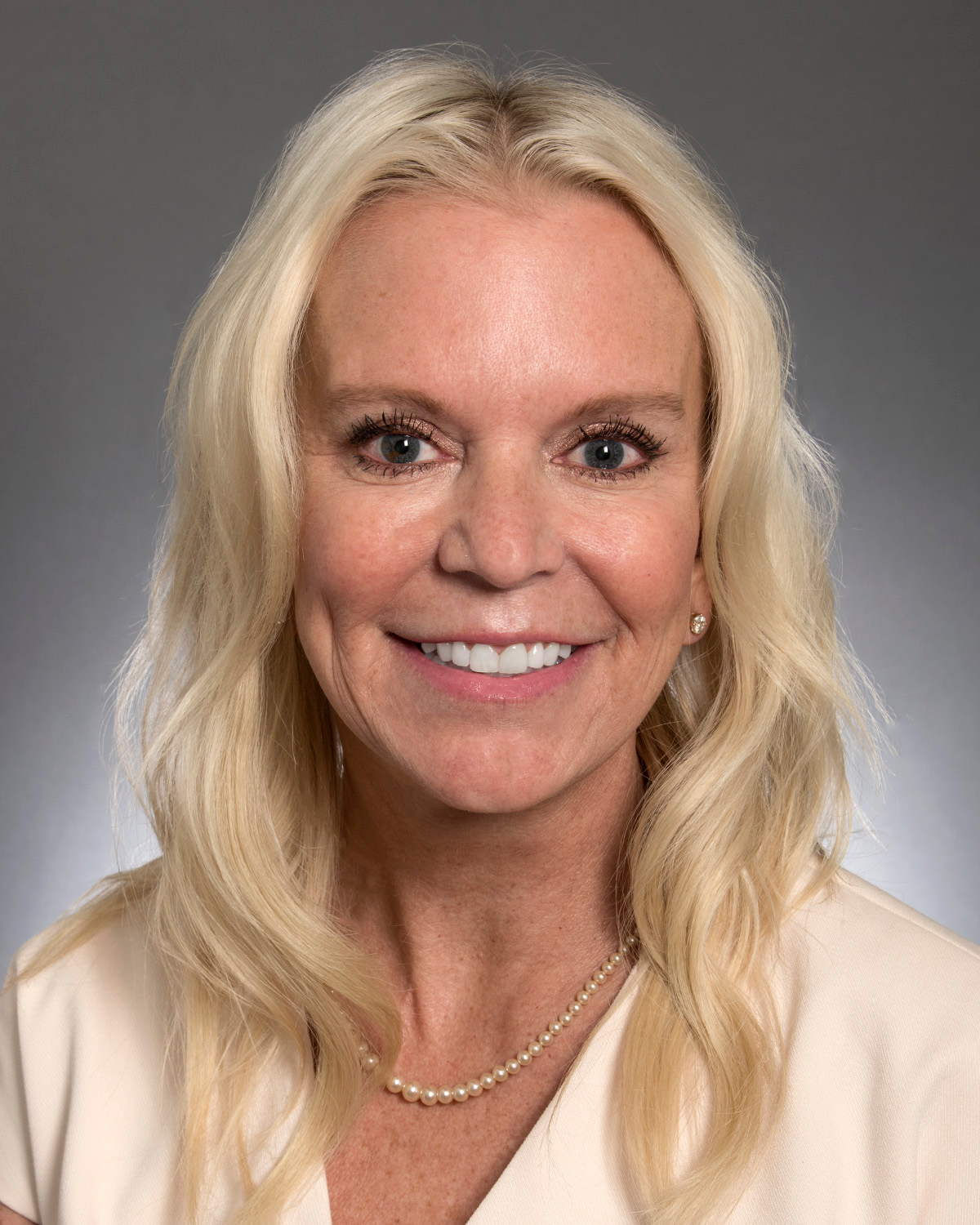
Sen. Karin Housley
Sponsored bills
Maddy summaryThis bill allocates $1 million from the arts and cultural heritage fund to support hosting a world snow-sculpting championship in Stillwater, Minnesota. The money will be provided as a grant to the Greater Stillwater Chamber of Commerce Foundation, which is responsible for organizing the event. The legislation is designed to fund this specific cultural activity without changing any existing laws or regulations. It represents a direct financial commitment to arts and cultural heritage initiatives in the state.
Maddy summaryThis bill establishes fixed commission rates for lottery retailers in Minnesota, replacing the previous system with specific percentages based on ticket type. Lottery retailers will receive at least 7% of ticket sales for drawing games, 6.5% for instant games, and 2.5% of winning ticket amounts cashed at their locations. The law requires annual automatic increases to these commissions based on the Consumer Price Index for the Minneapolis-St. Paul area, effective August 1, 2026. The director of the State Lottery retains authority to set higher commission rates and must update the statutory percentages annually to reflect any adjustments made.
Maddy summaryThis bill, known as the Zywiec Act, prohibits licensed health care providers in Minnesota from offering gender-affirming medical treatments like hormone therapy, puberty blockers, or gender reassignment surgery to individuals under 18 years old. It also bars public health funds from being used for these services and restricts mental health counseling that suggests or affirms a gender identity different from the minor's biological sex. The law includes specific exceptions for treating diagnosed medical conditions unrelated to gender identity, such as precocious puberty, and for medically necessary surgical interventions for intersex conditions. Violations could result in fines of at least $500,000, license revocation, and up to ten years in prison, with enforcement handled by the Minnesota Department of Health.
Maddy summaryThis bill requires state granting agencies to conduct unannounced, in-person site visits for grants exceeding $10,000 to monitor how funds are used. The law mandates at least one visit per grant and additional visits every 12 months for grants disbursed over a longer period, with exceptions only allowed for entire grant programs rather than individual cases. Granting agencies must also report on grant status whenever requested by the commissioner, and the commissioner retains authority to approve or deny exceptions to the site visit requirement. The changes directly affect state agencies that manage grant programs and the organizations receiving those grants.
Maddy summaryThis bill transfers $2 million from Minnesota's general fund to the Emerging Entrepreneur Loan Program special revenue fund for fiscal year 2027. The transfer is a one-time allocation that allows the commissioner of employment and economic development to use up to four percent of the funds for program administration and monitoring. The legislation directly affects the Emerging Entrepreneur Loan Program by providing additional financial resources to support its operations. This action is designed to fund the program without creating new revenue sources or changing existing program eligibility requirements.
Maddy summaryThis bill modifies Minnesota's existing requirements for educating parents and caregivers about the dangers of shaking infants and young children. It mandates that hospitals show an approved educational video to at least one parent before a newborn is discharged, while also requiring pediatricians and other primary care providers to use approved materials during well-baby visits for children up to age one. The bill establishes a review process where the commissioner of health must evaluate and update both the videos and educational materials every five years to ensure accuracy and completeness. Additionally, the legislation appropriates funding to support these educational initiatives and includes protections for facilities acting in good faith when distributing the materials.
Maddy summaryThis bill would eliminate the current income-based limits on subtracting Social Security benefits from Minnesota state taxable income, allowing taxpayers to fully subtract all Social Security benefits they receive. It directly affects Minnesota residents who receive Social Security benefits and file state income tax returns, removing the existing phaseout thresholds and maximum subtraction caps that currently apply. Under the new provisions, all Social Security benefits would be deductible from taxable income without any reduction based on the taxpayer's adjusted gross income, simplifying the calculation and potentially lowering state tax liability for retirees. The change would take effect for taxable years beginning after December 31, 2025.
Maddy summaryThis bill creates a refundable sales tax exemption for construction materials used in two specific Washington County projects: the Stafford Library Remodel and South Highway Shop. It allows contractors to pay sales tax on qualifying materials purchased between July 2026 and December 2028, then receive a refund through the state's standard process. The exemption applies retroactively to purchases made after June 30, 2026, with refunds issued after that date. The state will cover refund costs using general fund appropriations. This directly affects only the specified projects and their construction vendors.
Maddy summarySF 3884 allocates $365,000 for fiscal year 2026 and $710,000 for fiscal year 2027 from the environmental fund to continue PFAS biomonitoring in eastern Minnesota metropolitan communities. The funds will be transferred to the Minnesota Department of Health to test for PFAS chemicals in residents' bodies. This appropriation supports ongoing monitoring efforts in specific areas without creating new requirements for residents or businesses. It is a funding measure, not a policy change, and becomes effective upon enactment.