

Maddy summarySF 44 modifies Minnesota's sales tax rules to establish a "vendor allowance," allowing retailers with $10,000 or more in annual sales tax liability to keep a portion of collected tax as compensation for collection costs. The allowance equals a percentage of eligible taxes collected (with a minimum $10 per reporting period), calculated under new section 297A.816. It affects most retailers (excluding construction material vendors under specific conditions), requiring them to report and remit the remaining tax via electronic payment by specified deadlines. The bill takes effect for sales after June 30, 2025, and updates tax code sections 289A.20 and 297A.77.
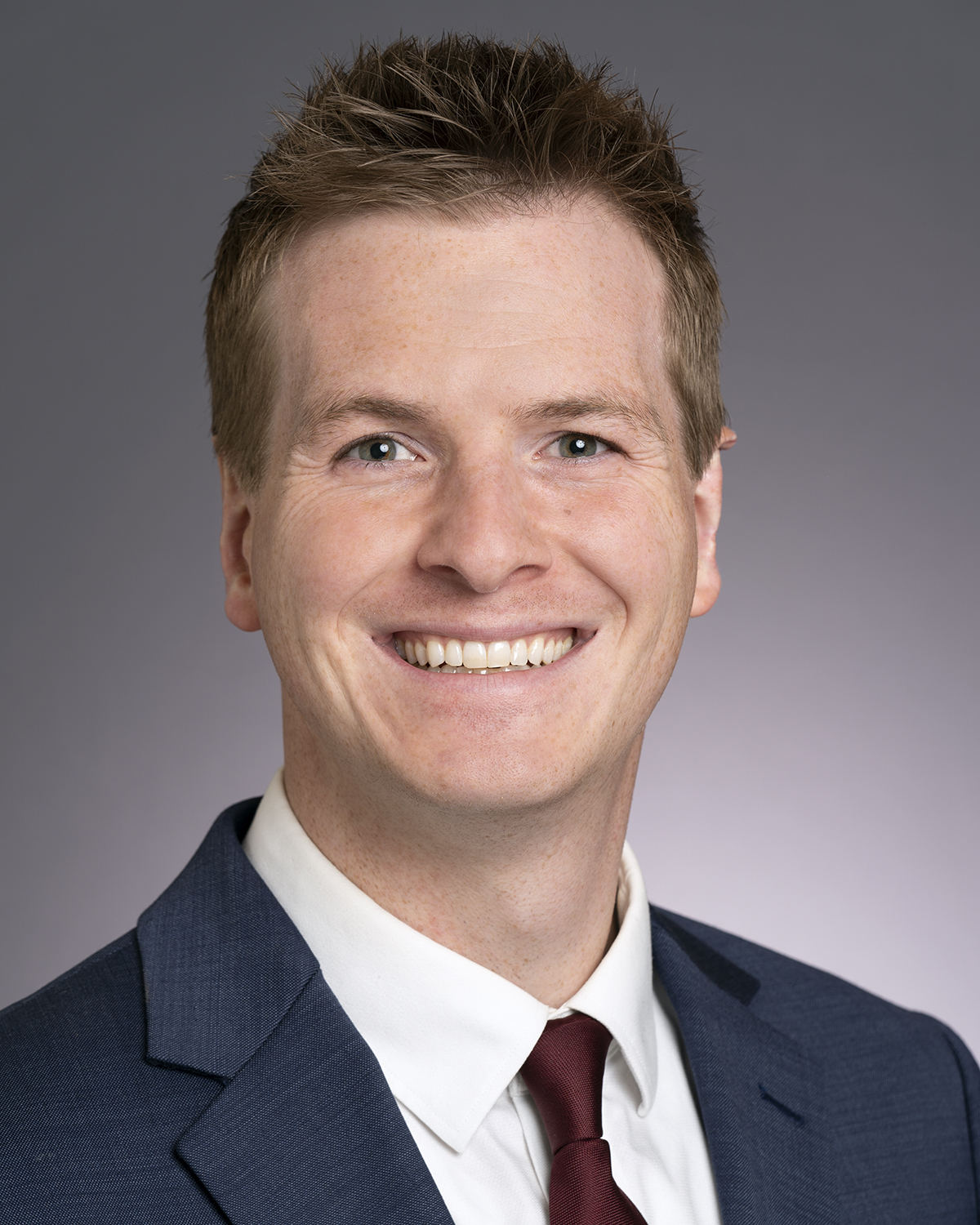
Sen. Grant Hauschild
Sponsored bills
Maddy summaryThis bill appropriates $1,058,200 from the general fund for capital improvements at the Great Lakes Aquarium in Duluth. The funds, provided to the Lake Superior Center Authority, will cover predesign, construction, and renovation of the facility's mechanical, electrical, water treatment, utility systems, life-safety features, and exterior building envelope, parking, and grounds. The one-time appropriation is available until the project is completed or abandoned. It directly affects the Great Lakes Aquarium's physical infrastructure and operations in Duluth.
Maddy summaryThis bill appropriates a specific amount from the state general fund for a one-time grant to Second Harvest Northland Food Bank in Duluth. The funds will support constructing and renovating a facility expansion and purchasing new refrigeration equipment. The grant is contingent on the state verifying that matching nonstate funds (local or private) have been secured for the project. The funding is available until the project is completed or abandoned, directly benefiting Duluth's food bank operations and the community it serves.
Maddy summaryThis bill extends the deadline for using existing state funding allocated to the Ash River Sanitary Sewer Collection and Treatment System. It modifies the expiration date for the 2019-2021 appropriation from its original end date to June 30, 2026. The change directly affects the Ash River community by providing additional time to access these dedicated clean water funds for sewer system improvements. The bill does not create new funding or alter the project's scope - only extends the period during which the existing appropriation remains available.
Maddy summarySF 1845 adds "drilling machines" (equipment used to bore wells, including cable tools and rotary drills) to Minnesota's list of vehicles eligible for a $120 annual oversized vehicle permit. This bill directly affects haulers transporting well drilling equipment, allowing them to use a single annual permit instead of multiple short-term permits. The key provision amends Minnesota Statutes 2024, section 169.86, by adding drilling machines as a qualifying category under existing permit fees. This change streamlines transportation for well-drilling operations while maintaining the current fee structure for oversized vehicle permits.
Maddy summarySF 1837 clarifies how Minnesota school districts can use state funds for student support personnel (like counselors, psychologists, and nurses). It specifies that these funds can be used to hire new staff, increase part-time positions, make temporary pandemic-related hires permanent, or pay for contracted services from licensed professionals if new hires aren't possible. The bill also allows districts to maintain existing support positions if they provide assurance they would otherwise be eliminated. This applies to school districts, charter schools, and cooperative education units using state aid for student support services. The changes take effect for fiscal year 2025 and later.
Maddy summaryThis bill extends the validity period for temporary nursing permits in Minnesota from 60 to 90 days. It directly affects nurses seeking licensure by endorsement from another state or those enrolled in refresher courses, as outlined in Minnesota Statutes section 148.212. The key change modifies the existing rule to allow these applicants 90 days (instead of 60) to complete their licensing process or complete their refresher program. This adjustment provides additional time for these nurses to meet requirements without losing their temporary practice authorization.
Maddy summaryThis bill modifies licensing conditions for hospital swing beds in Minnesota, directly affecting hospitals operating these beds. It requires hospitals to limit swing bed stays to 40 days (unless documented emergency needs exist, with proof of no nearby nursing home beds available) and restricts admissions to patients recently discharged from the same hospital or transferred directly from acute care. Hospitals must also submit annual reports on swing bed usage, including readmissions within 60 days and billing details. A key exception applies to Cook County critical access hospitals with attached nursing homes, allowing swing beds to provide nursing home services without prior hospital stays, qualifying for medical assistance reimbursement.
Maddy summarySF 1852 expands Minnesota's dependent care credit to make it more accessible for families. It directly affects Minnesota taxpayers with qualifying dependent care expenses, particularly parents of young children. Key provisions include establishing a new "Great Start child care credit" for infants under one year, allowing deemed expenses for care provided in licensed family day care homes operated by parents, and simplifying documentation requirements. The bill adjusts credit calculations to exclude certain support programs from dependency determinations and clarifies income thresholds for eligibility. These changes aim to increase the credit amount available for eligible families with childcare costs.
Maddy summaryThis bill appropriates $14 million in state bond funds to the Duluth Airport Authority for capital improvements at Duluth International Airport. It specifically authorizes the construction of a new air traffic control tower base building, including office spaces, support areas, equipment rooms, and site work like demolishing old structures and replacing fuel tanks. The funds will cover design, construction, and equipment, with part used to match federal funding. The project directly affects the Duluth International Airport and its operations, with the state issuing bonds to finance the construction.