

Maddy summarySF 2151 appropriates $500,000 from the general fund for the 1854 Treaty Authority to study bear populations in the ceded area established by the 1854 treaty between the Lake Superior Chippewa and the U.S. government. The bill requires the Authority to complete the study by December 31, 2026, and submit findings to environmental committees, including assessments of current bear populations, factors affecting them, and future population trends. This funding directly supports the 1854 Treaty Authority’s work in the treaty ceded area. The bill is procedural, focusing on allocating resources for a specific wildlife study rather than enacting new regulations.
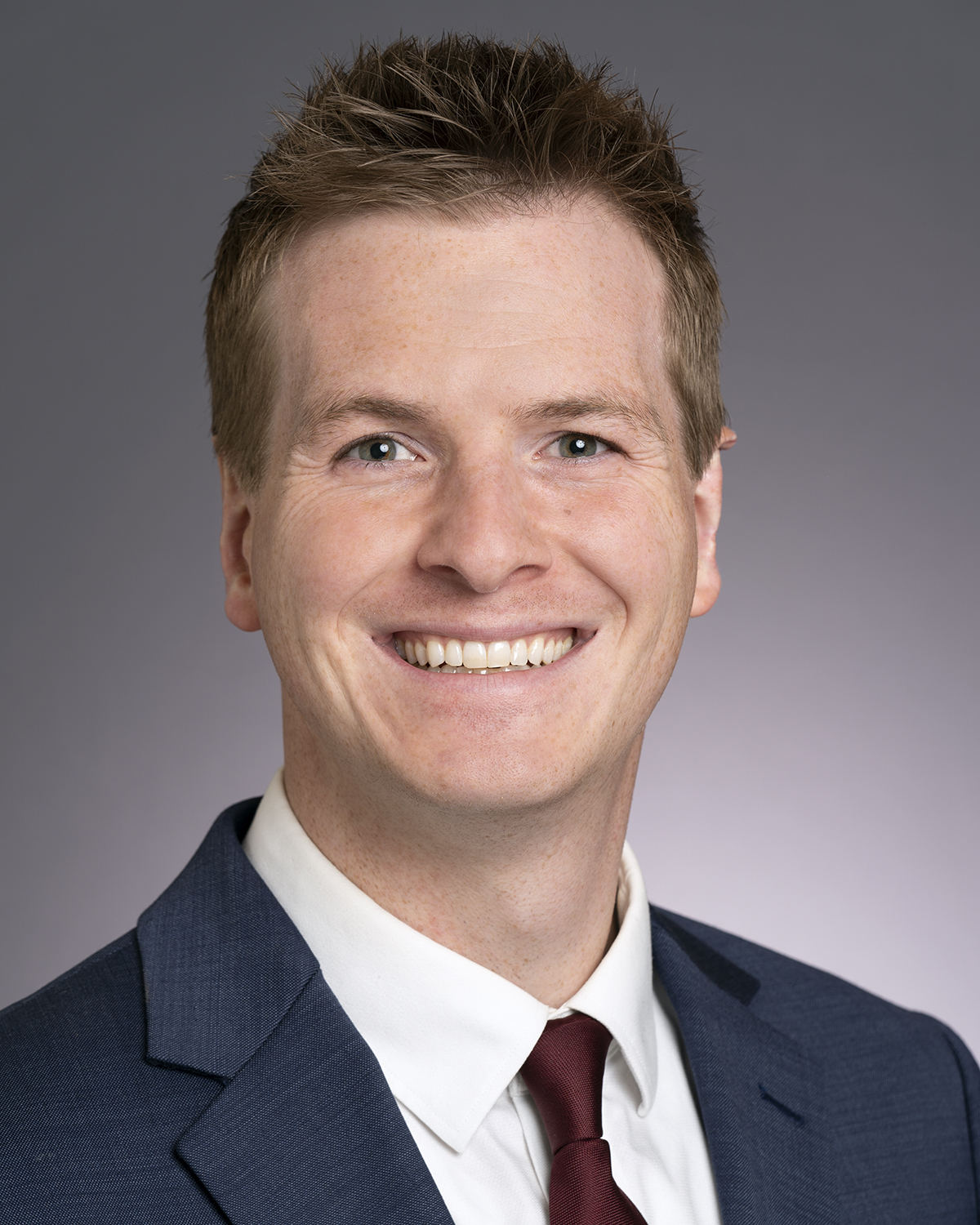
Sen. Grant Hauschild
Sponsored bills
Maddy summarySF 683 creates a 12-member legislative commission focused on intellectual and developmental disabilities in Minnesota. The commission, composed of appointed legislators from relevant committees (including those overseeing human services, labor, and housing), will review state programs and policies affecting people with these disabilities. It requires state agencies to provide data on disability services, demographics, and fiscal information to support the commission’s work. The bill also establishes procedures for commission operations, including meeting schedules and administrative support, and includes funding for its activities. This commission is intended to provide legislative oversight of disability-related programs, directly affecting state agencies and the legislative process.
Maddy summaryThis bill modifies Minnesota's tax classification for "homestead resort properties" (Class 1c), clarifying which resort properties qualify for a special tax rate. To qualify, properties must have at least three rental units (e.g., cabins, condos, or RV sites), limit commercial rentals to 250 days per year, and include owner-occupancy (where owners live in the property as homesteads via corporate or partnership ownership). Qualifying properties receive a reduced tax rate of 0.45% on the first $50,000 of value, with the remainder taxed at standard rates. This directly affects resort owners seeking tax benefits for properties blending owner residence with seasonal rentals, such as lakeside resorts.
Maddy summaryThis bill modifies Minnesota's system for compensating counties for state-owned lands. It creates a new payment category for "other lakeshore land" - defined as state-owned natural resources land abutting lakes identified by the Department of Natural Resources. Counties will receive either $5.133 per acre or 0.75% of the land's appraised value (whichever is greater) for these parcels, added to existing payment formulas under Minnesota Statutes §477A.12, subdivision 1(10). The change takes effect for payments made in 2026 and later. It directly affects counties administering state-owned lakeshore properties.
Maddy summaryThis bill appropriates $2.35 million for each of fiscal years 2026 and 2027 from the arts and cultural heritage fund to Minnesota Public Radio (MPR). It directs MPR to use these funds for creating original programming, live events, and arts education; partnering with artists and cultural creators; increasing representation of communities of color and Indigenous communities in its content; and preserving Minnesota's historical audio archives. The funding directly supports MPR's operations and programming efforts across the state. This is a straightforward funding allocation, not a policy change affecting broader legislation.
Maddy summaryThis bill appropriates $750,000 from the arts and cultural heritage fund for fiscal year 2026 to fund a lake sturgeon project at the Great Lakes Aquarium. The funds will support rearing and stocking lake sturgeon in the St. Louis River, along with public education about the species' historical, cultural, and biological significance. The project requires collaboration between the aquarium, the commissioner of natural resources, the Fond du Lac Band of Lake Superior Chippewa, and the U.S. Fish and Wildlife Service. It directly affects these organizations and the St. Louis River ecosystem through specific conservation and educational activities.
Maddy summaryThis bill expands a sales tax exemption for nonprofit snowmobile clubs in Minnesota. It directly affects eligible clubs that maintain state or grant-in-aid snowmobile trails and have received a Department of Natural Resources maintenance grant in the current or previous three years. The key change adds grooming machines, attachments, accessories, and repair parts to the list of exempt purchases, alongside materials used for trail construction and maintenance. The exemption applies to qualifying purchases made after June 30, 2025.
Maddy summaryThis bill appropriates $1,000,000 from the general fund for a one-time grant to the Entrepreneur Fund to support business financing in northeast Minnesota. It directly affects for-profit business startups, expansions, and ownership transitions in that region by capitalizing the fund's revolving loan program. The key mechanism is providing a dedicated grant to address unmet financing needs through the Entrepreneur Fund's existing loan structure. The funding is specifically for fiscal year 2026 and will not be renewed annually.
Maddy summaryThis bill appropriates $1 million for fiscal year 2026 and $1 million for fiscal year 2027 from the general fund to increase payments to critical access nursing facilities. The funds are specifically designated for rate adjustments under Minnesota Statutes section 256R.47, directly affecting nursing facilities that serve rural communities and provide essential long-term care. The key mechanism is a fixed annual funding increase to support facility operations without requiring new legislative action for each adjustment. This is a straightforward budget allocation with no additional requirements or changes to facility eligibility.
Maddy summarySF 1901 appropriates $1.525 million annually for fiscal years 2026 and 2027 from the arts and cultural heritage fund to support children's museums across Minnesota. The bill allocates specific annual amounts to 12 designated museums (including The Works in Bloomington and the Duluth Children's Museum) for interactive exhibits and outreach programs focused on arts and cultural heritage. Eligible museums must meet IRS criteria for children's museums. This funding directly supports these institutions' educational programming for children and families statewide.