

Maddy summaryThis bill (SF 3495) changes Minnesota's rulemaking process by requiring state agencies to obtain both legislative approval and the governor's signature before most administrative rules take effect. It applies directly to state agencies that create rules (e.g., for environmental, health, or business regulations), mandating that proposed rules cannot become effective until the legislature passes a law approving them and the governor signs it within one year of the rule's notice. The bill adds a requirement that agencies publish a notice of this ratification in the State Register within five days. Emergency rules adopted under section 12.22 are exempt from this process.
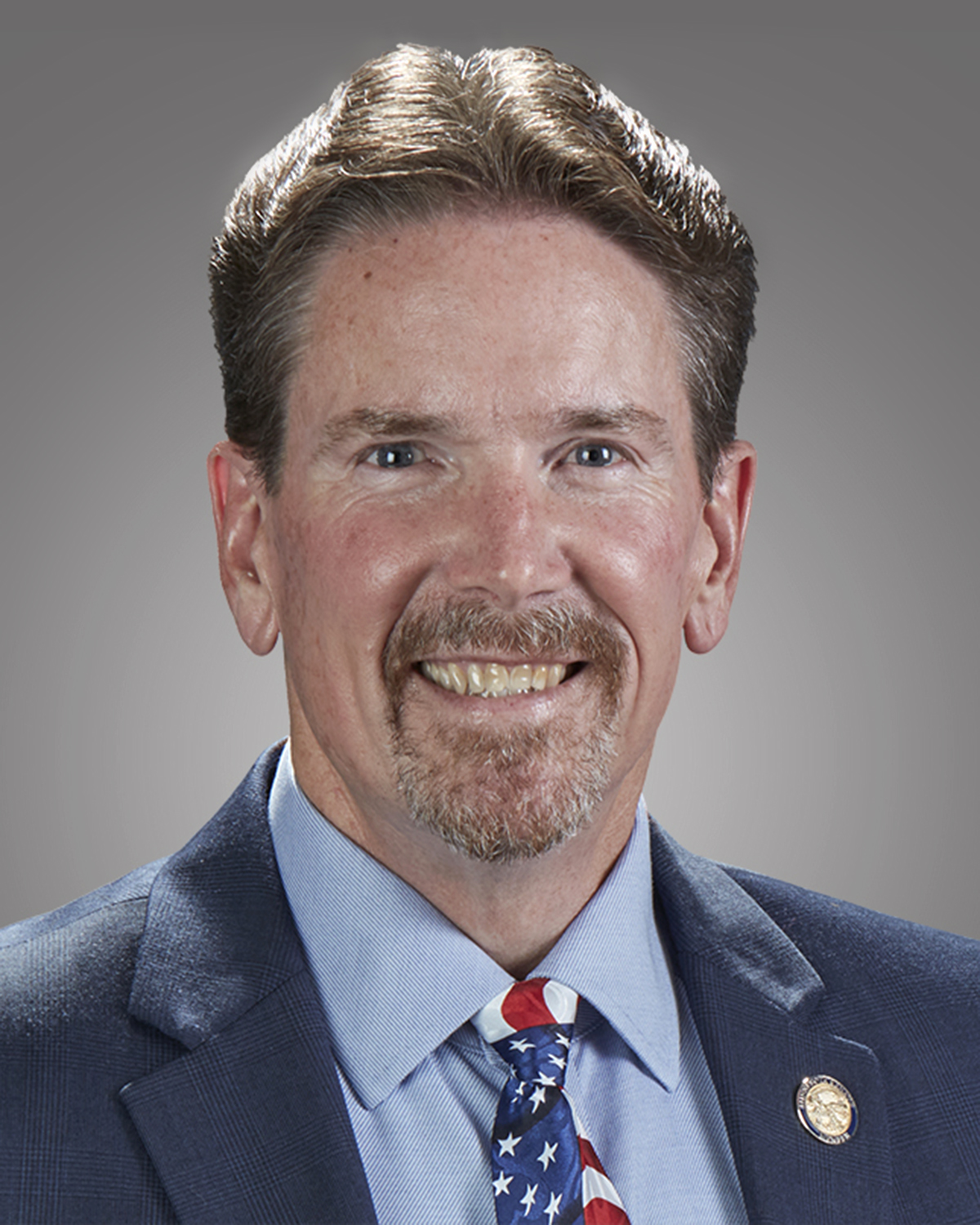
Sen. Mark Koran
Sponsored bills
Maddy summaryThis bill authorizes Minnesota public bodies (like city councils, school boards, and county commissions) to live-broadcast their meetings via social media platforms. It requires these bodies to include in their public meeting notices whether they will broadcast and how to access the broadcast, and clarifies that social media comments during broadcasts aren't automatically government records unless the notice specifies otherwise. Public bodies may choose whether to allow public comments during the broadcast and must establish rules for handling them if they do. The bill does not require public bodies to broadcast meetings or offer comment features, and it specifies social media cannot replace in-person meetings under certain open meeting law requirements.
Maddy summaryThis bill appropriates $300,000 for fiscal year 2026 and $300,000 for fiscal year 2027 from the general fund to the commissioner of human services. The funds are designated for a grant to Wellness in the Woods to provide daily peer support and special sessions. The program directly serves individuals in substance use recovery, those transitioning out of incarceration, and people who have experienced trauma. The bill creates a specific funding mechanism for these targeted services without altering eligibility or program requirements.
Maddy summaryThis bill exempts dietary supplements from Minnesota's sales tax. It directly affects businesses selling dietary supplements (like vitamins or protein powders) and consumers who purchase them, making these products cheaper. The key change amends Minnesota Statutes 2024, section 297A.61, by adding "dietary supplements" to the list of food items already exempt from tax under the state's sales tax law. This means retailers selling dietary supplements will no longer collect sales tax on these items.
Maddy summarySF 1581 extends the deadline for using funds to implement the Capitol Mall Design Framework until June 30, 2025. It appropriates $4.5 million in fiscal year 2026 to the city of St. Paul for Capitol Area livability, economic health, and safety improvements, including $500,000 for the Capitol Area Architectural and Planning Board to provide technical assistance to residents and businesses navigating community grants. The bill cancels unspent funds from a 2023 account and repeals the prior law establishing that account. These changes directly affect St. Paul's Capitol Area community planning and grant programs.
Maddy summarySF 3341 provides a one-time appropriation of $500,000 for fiscal year 2026 and $500,000 for fiscal year 2027 from the state general fund to Recovery Cafe Frogtown. The funding is intended to expand support services for individuals experiencing substance use disorders, addiction, mental health challenges, or homelessness by increasing both programming and staffing. This grant directly affects Recovery Cafe Frogtown’s operations and the community members it serves. The bill does not create new regulations but allocates specific funding for existing service delivery.
Maddy summarySF 3325 appropriates $200,000 for fiscal year 2026 and $200,000 for fiscal year 2027 from the general fund to HealthcareMN, a nonprofit organization. The funds are designated for specific programs to support healthcare innovation, including hosting a healthcare venture summit, expanding regional outreach to strengthen the Twin Cities as a healthcare innovation hub, and establishing mentorship programs connecting healthcare innovators with corporate leaders. These one-time appropriations directly affect HealthcareMN's operations and aim to benefit healthcare entrepreneurs, investors, and the broader healthcare innovation ecosystem in Minnesota. The bill focuses on funding concrete activities rather than creating new regulations or altering existing laws.
Maddy summarySF 3309 delays the implementation dates for provisions of Minnesota's African American Family Preservation and Child Welfare Disproportionality Act. It changes the effective date for multiple sections from January 1, 2027, to January 1, 2029, giving state agencies and counties more time to comply. The bill directly affects the Minnesota Department of Human Services (which must implement data disaggregation and compliance systems) and local counties administering child welfare services. Key provisions include delaying the start of data disaggregation requirements (from 2027 to 2029) and extending the phase-in program for Hennepin and Ramsey Counties (from 2027 to 2029). This is a technical adjustment to implementation timelines, not a change to the underlying policy requirements.
Maddy summaryThis bill imposes a 5-cent tax per kilowatt-hour on electric vehicle charging at public charging stations (for-profit, metered locations) starting October 1, 2025. It directly affects charging station operators, who must collect and remit the tax monthly to the state. Revenue from the tax is split equally between the highway user tax fund and the transportation advancement account. The tax does not apply to charging at private residences, legacy chargers (until 2032), or stations under 50 kW capacity. It repeals a separate $75 annual surcharge for electric vehicles.
Maddy summarySF 3323 amends Minnesota law to clarify rules for organizations operating lawful gambling (like nonprofits running raffles or bingo). It requires the gambling board to approve fund loss requests due to theft of cash, inventory, or prizes if the organization reports to police and files the request properly. The bill also prevents the board from denying requests solely based on an organization having filed two or more requests within 12 months, and prohibits requiring reimbursement from nongambling funds for theft-related losses. This directly affects gambling organizations seeking to recover losses from theft.