

Maddy summaryThis bill requires inmates to pay all court-ordered restitution before becoming eligible for "supervision abatement status," which is a reduced supervision level after serving time. It directly affects individuals on supervised release who have restitution obligations, as they cannot transition to this lower supervision tier until payments are fully completed. The bill amends Minnesota Statutes 244.46 to add this requirement, overriding previous eligibility rules that considered time served and public safety factors. This change applies to all supervised release terms, including conditional release for life sentences. The policy does not alter existing public safety risk assessments or time-served calculations.
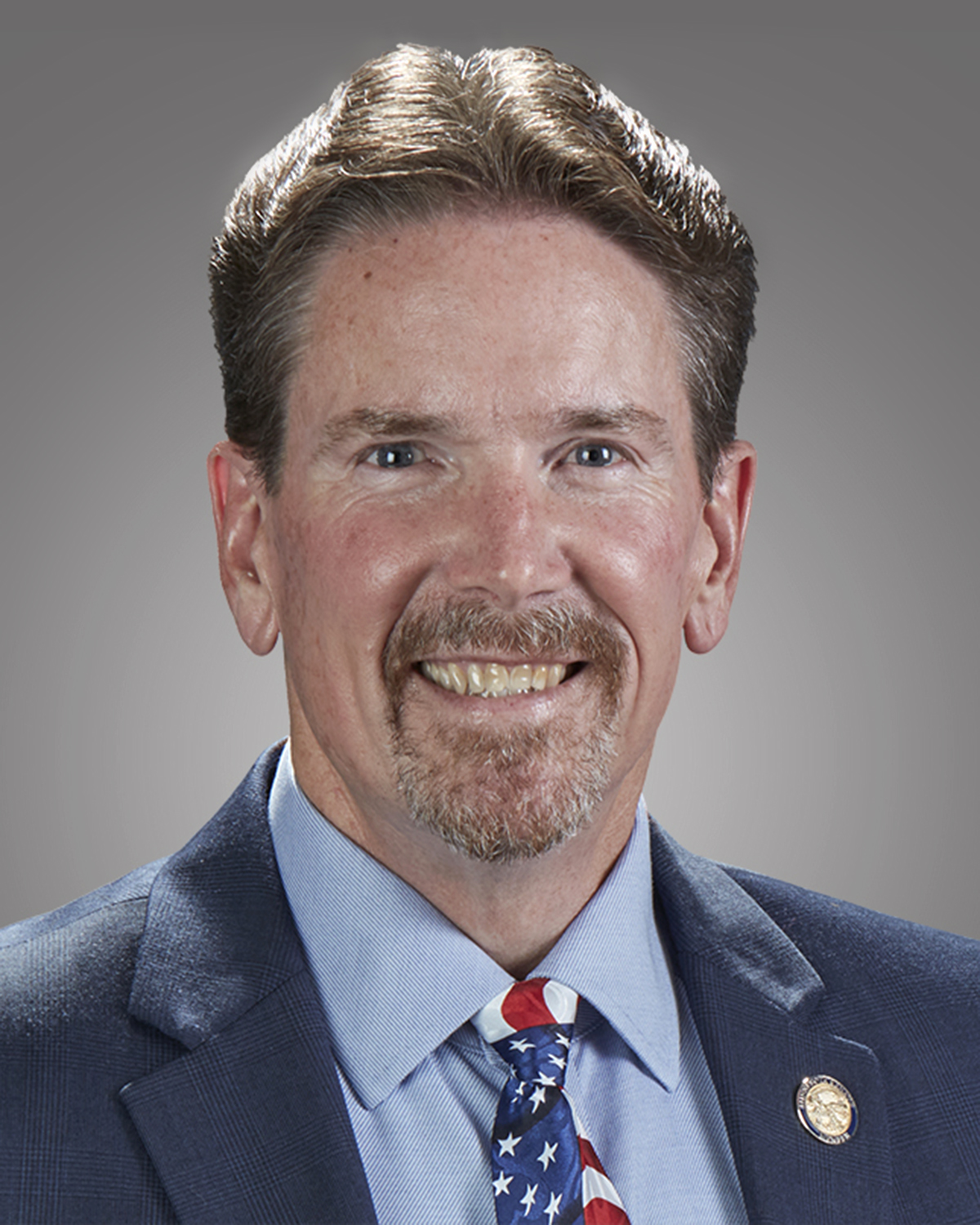
Sen. Mark Koran
Sponsored bills
Maddy summarySF 3788 would authorize Isanti County to impose a 0.25% local sales tax, pending voter approval, to fund a new highway department facility and related bond costs, with a total project funding cap of $25 million. The tax revenues must cover collection costs and finance up to $25 million for the facility construction and associated bond expenses, with the county allowed to issue bonds up to $25 million without standard debt limits or a separate election. The tax would expire after 25 years or once the $25 million target is met, whichever occurs first.
Maddy summarySF 3802 appropriates $130,000 from Minnesota's workforce development fund for a one-time grant to New Pathways in Cambridge. The funding supports preemployment and job readiness programming specifically for families with children experiencing homelessness, helping parents overcome employment barriers. Key provisions include individualized employment preparation, resume and job application assistance, interview readiness training, and connections to local employers and training programs. This programming must integrate case management, family education, and community partnerships to support parents in achieving stable housing and self-sufficiency. The bill directly affects homeless families in Cambridge seeking employment and housing stability.
Maddy summarySF 3727 repeals a Minnesota law that automatically confirmed certain state appointments if the legislature didn't act within 60 days. This bill directly affects state appointments requiring legislative confirmation (like many executive branch positions), ending the current rule where inaction by the Senate or House automatically approved appointments. The key change removes the "automatic confirmation" provision in Minnesota Statutes § 15.066, requiring active legislative rejection instead of passive approval. This shifts the process so appointments no longer become effective without explicit legislative action.
Maddy summaryThis Senate resolution expresses the legislative body's disapproval of Department of Human Services employees who allegedly concealed fraud during an audit. The document formally condemns these actions as a breach of public trust and urges the department's leadership to investigate the conduct and impose disciplinary measures. Unlike laws that create new rules, this measure serves only as a symbolic statement of the Senate's stance on the issue. It does not establish new penalties or change existing statutes but highlights concerns regarding the integrity of state social service programs.
Maddy summaryThis bill prohibits organizations receiving state funding from spending money on political activities. It directly affects nonprofits and other entities that get state money through direct appropriations or grants (like those for social services or community programs). The key provision bans campaign expenditures or any political spending by these organizations, effective July 1, 2025. The law applies broadly to all state-funded entities, regardless of their specific grant type.
Maddy summaryThis bill modifies Minnesota's medication repository program rules for donating and distributing unused medications. It requires donated drugs to have at least six months until expiration (with limited exceptions for high-demand items), must be in original sealed packaging, and cannot be controlled substances. Repositories must verify donor information, maintain detailed inventories, and prioritize donated drugs over purchased ones when filling prescriptions. The changes directly affect pharmacies, hospitals, and other donors participating in the program, while ensuring patients receive safe, eligible medications through the repository system.
Maddy summarySF 538 establishes a new "Director of Grants Management" position within Minnesota's Department of Administration. This role requires specific expertise in auditing and legal compliance for grant programs and mandates standardized practices across all state agencies administering grants. The director will oversee grant processes, ensure compliance with laws, improve transparency, create central reporting systems for grant opportunities, and review agency practices - including the authority to suspend grantees for violations. The bill directly affects executive agencies managing state grants, grantees receiving funds, and the Department of Administration, which must create this position and implement the required standards.
Maddy summaryThis bill, SF 8, aims to modify eligibility requirements for MinnesotaCare, the state's public health insurance program for low-income residents. It proposes changes to who qualifies for coverage under MinnesotaCare, though the specific eligibility criteria (e.g., income thresholds, residency rules) are not detailed in the provided context. The bill is currently in committee referral stage, having been referred to the Health and Human Services committee in January 2025 and with multiple authors added since then. No concrete policy provisions or affected populations are specified in the available information.
Maddy summarySF 3510 establishes a state-funded program to reimburse rural ambulance services for unpaid emergency medical responses. It directly affects eligible rural ambulance licensees (operating outside Minnesota's metropolitan counties) that provided emergency services without receiving payment. The program calculates payments using a tiered point system: 10 points per response for the first 25, decreasing to 1 point for 101-200 responses, with no points for more than 200. The state appropriates $3 million from the general fund for fiscal year 2026 to cover these payments, which must be applied for by March 31, 2026, and distributed by May 30, 2026.