

Maddy summaryMinnesota bill SF 3555 establishes a new "Family Medical Account" (FMA) service delivery model for medical assistance programs, effective January 1, 2027. It requires the human services commissioner to place eligible new and reenrolling medical assistance enrollees - those with income at or below 138% of the federal poverty level who would otherwise receive services through managed care - into this model, excluding individuals with disabilities, those aged 65+, or under federal waivers. The model provides enrollees with a debit account for monthly contributions, a debit card to pay service fees, and unspent funds that roll over annually into an investment account. Key requirements include enrollment counseling, access to updated provider fee rates, and ongoing education about healthcare costs and responsible use of services.
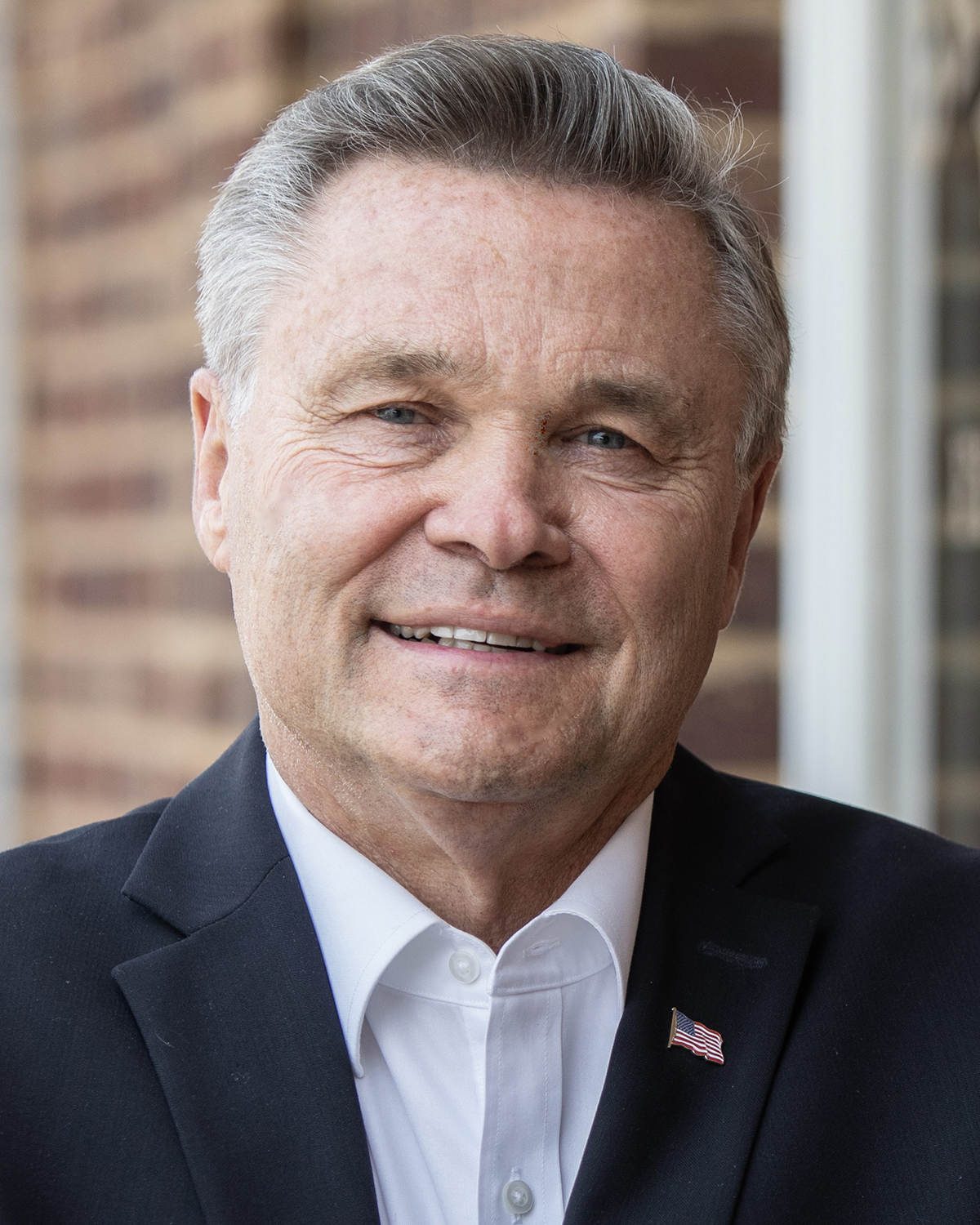
Sen. Glenn Gruenhagen
Sponsored bills
Maddy summaryThis bill increases retirement contributions for Minnesota public school teachers in the Teachers Retirement Association (TRA). It raises employee contributions from 11.25% to 11.5% (basic program) and 7.75% to 8.0% (coordinated program) for 2025-2026, with further hikes to 12.5% and 9.0% after 2026. Employer contributions also rise, reaching 10.01% for coordinated members and 14.01% for basic members after 2026. Additionally, it provides an unreduced retirement annuity to members who reach age 62 with 30 years of service, allowing them to retire without penalty before the standard retirement age. The bill directly affects current and future TRA members employed by Minnesota public school districts.
Maddy summarySF 3554 establishes Minnesota's Opportunity Scholarship Program, allowing students in Minneapolis (Special School District No. 1) or St. Paul (ISD 625) K-12 to use state funds for tuition at qualifying nonpublic schools in Minnesota. The program reimburses families monthly for tuition and eligible expenses (like personal computers, without a $200 family cap), based on each school district's calculated per-pupil revenue amount. School districts must continue counting participating students for funding purposes, notify families about the program annually, and process reimbursements within 30 days of receiving tuition receipts. This directly affects eligible students in Minneapolis/St. Paul and qualifying nonpublic schools, while maintaining school district funding calculations.
Maddy summaryThis Minnesota resolution (SF 3556) urges federal agencies to take specific actions regarding healthcare regulations. It requests the Federal Trade Commission to repeal antitrust law waivers and the Centers for Medicare & Medicaid Services (CMS) to repeal waivers of anti-fee-splitting and anti-self-referral laws. Additionally, it asks Congress to amend the Medicare Access and CHIP Reauthorization Act to allow clinics and hospitals to choose whether to accept payments tied to the volume of patient care referrals. The resolution does not create new laws but formally requests federal action to restore certain patient protection frameworks.
Maddy summarySF 3574 preempts local governments from requiring additional licensing, bonds, or insurance for plumbers already licensed by the Minnesota state commissioner. It directly affects plumbers working in cities, towns, or counties that previously imposed local requirements beyond the state license, and local governments that enforced such rules. The key provision (section 326B.44, subsection b) states no city, county, town, or other local entity may demand extra licenses, certifications, or exams for state-licensed plumbers. This bill standardizes plumbing licensing across Minnesota by ensuring state-licensed plumbers face only state-mandated requirements. The bill is currently in the early stages of review (referred to the Labor Committee after introduction on February 17, 2026).
Maddy summarySF 3557 appropriates $750,000 from state transportation funds to the city of Watertown for road improvements on Fremont Street and Lewis Avenue corridors, including ADA accessibility upgrades and related public infrastructure. The bill authorizes the state to sell bonds up to $750,000 to fund this grant, following standard bond procedures under Minnesota law. This funding directly supports Watertown’s local infrastructure projects, covering predesign, design, and construction phases for these specific corridors. The bill does not alter state law or create new programs, solely providing targeted financial support for identified road improvements.
Maddy summarySF 432 establishes "Choose Life" special license plates for Minnesota vehicle owners. Applicants pay a $25 initial fee and $25 annual contribution (in addition to standard fees) to fund the Choose Life account. The money is distributed by Choose Life Minnesota, Inc., to non-profit agencies in each county that assist pregnant women considering adoption - excluding any agencies involved in abortion services or charging fees for services. The plates must display the "Choose Life" logo and will be available starting January 1, 2026.
Maddy summaryThis bill authorizes the state to issue up to $10.5 million in bonds to fund capital improvements at Wright Technical Center in Buffalo. The funds will support predesign, construction, renovation, and equipment for critical infrastructure upgrades, including mechanical, electrical, security systems, utility infrastructure, and site renovations. The appropriation directly affects Wright Technical Center and its affiliated facilities by enabling essential facility maintenance and modernization. The bond proceeds will be managed by the commissioner of education for these specific capital projects.
Maddy summaryThis bill appropriates $15 million from state bond proceeds to fund a new water treatment facility in Howard Lake, Minnesota. The funds will cover designing, constructing, and equipping the facility to provide clean, manganese-free drinking water for residents, along with related improvements like a new well and upgraded water mains. The state will issue bonds up to $15 million under Minnesota law to finance this project. The city of Howard Lake directly benefits as the recipient of the grant for these essential water infrastructure upgrades.
Maddy summarySF 717 prohibits Minnesota government agencies from enforcing vaccine mandates, including requirements for vaccine passports or credentials. It requires employers who mandate vaccines to accept proof of natural antibodies (from prior infection) as an alternative to vaccination. The bill directly affects employers in Minnesota who require vaccines and government entities enforcing such requirements, effective upon final enactment. It does not ban all vaccine requirements but restricts government enforcement and mandates alternative proof for employers.