

Maddy summarySF 3799 modifies Minnesota's Greater Minnesota Regional Parks and Trails Commission rules to update its operations and extend specific grant deadlines. It changes how the commission elects a chair (from annually to biennially), requires that park and trail projects receiving funds must be part of a commission-approved master plan, and updates annual reports to show recommendations by regional district. The bill extends the deadline for five specific projects to use allocated parks and trails funds until June 30, 2027 (for four projects) or 2028 (for one project), including the Mesabi Trail in St. Louis and Lake Counties and Oxbow Park in Olmsted County. These changes affect the commission, the six regional districts outside the seven-county metro area, and the counties/cities named in the extensions.
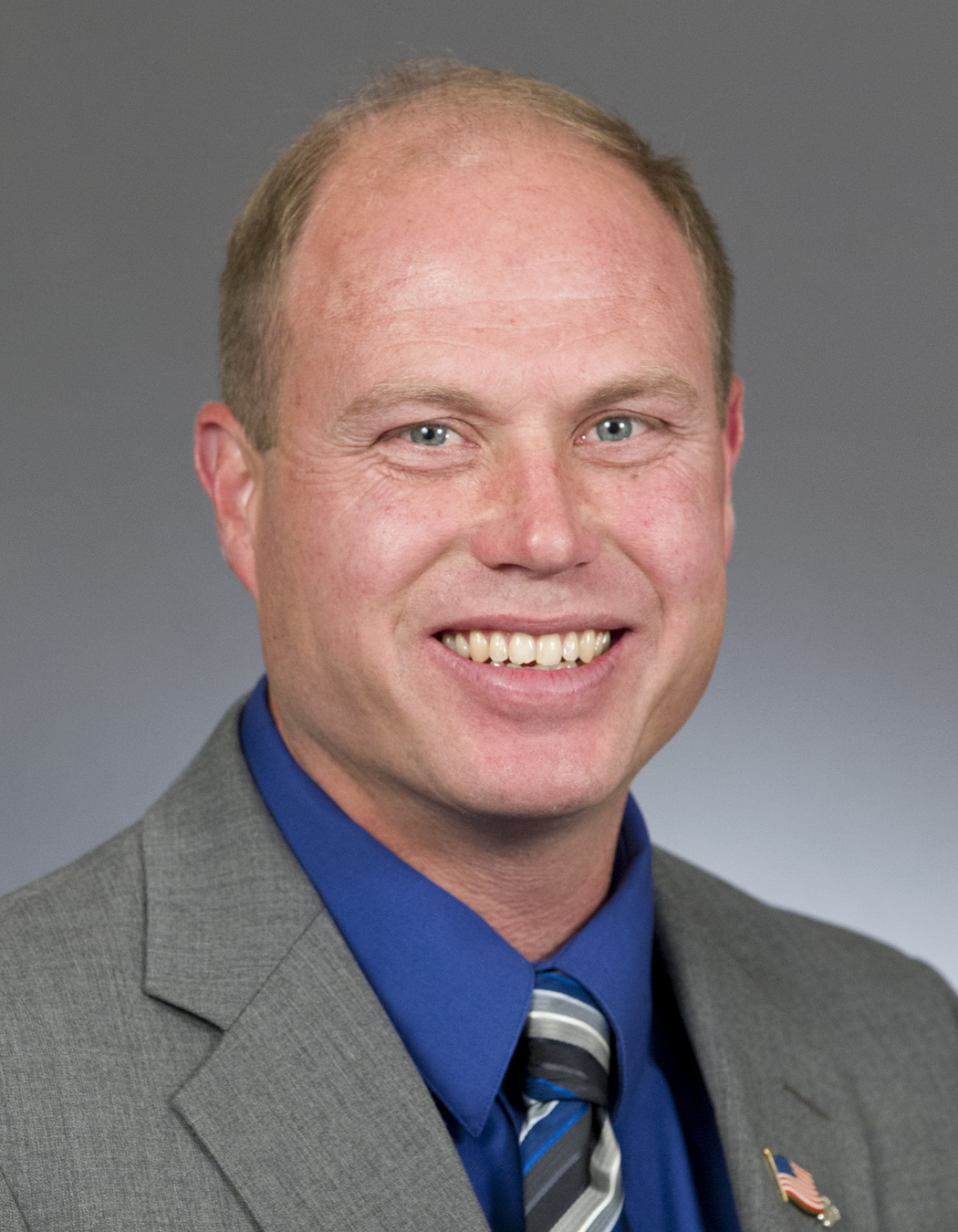
Sen. Jason Rarick
Sponsored bills
Maddy summarySF 3782 exempts certain corporate officers of S corporations from Minnesota's paid leave program. Specifically, it adds a provision stating that corporate officers who own 25% or more of their S corporation (directly or through subsidiaries) are excluded from the definition of "employee" under the law. This means these officers would no longer qualify for paid leave benefits under the program. The bill amends Minnesota Statutes 2024, section 268B.01, subdivisions 15(c)(4) and 17(d), to include this exclusion.
Maddy summarySF 4024 establishes a voluntary framework to improve Minnesota students' access to career-connected learning experiences, such as internships and work-based training, by coordinating education, workforce, and postsecondary systems. It requires the state education commissioner to review existing policies and create guidance for schools - without mandating participation - to align personalized learning plans, career education, and employer engagement. The framework focuses on removing barriers to high-quality career pathways, supporting local school flexibility, and using existing resources to connect high school experiences to postsecondary credentials and jobs. It does not create new funding or requirements but aims to streamline coordination across systems to better prepare students for careers.
Maddy summarySF 3905 extends the deadline for using $250,000 in state funds allocated for law enforcement use-of-force training. The bill modifies existing law to allow these funds to remain available until June 30, 2027, instead of an earlier expiration date. This funding reimburses postsecondary schools $450 per peace officer who completes approved training programs, which must include scenario-based exercises with nonlethal ammunition, stress management, de-escalation techniques, and bias training. The training must be offered at no cost to officers or agencies and meet specific standards set by Minnesota law. This change directly affects eligible colleges and training programs serving peace officers across the state.
Maddy summaryThis bill modifies reporting requirements for gas utilities when seeking rate increases. It requires utilities to provide detailed, itemized reports of travel, entertainment, and executive expenses (including dates, amounts, and business purposes) in rate case filings. The bill eliminates a sunset provision that previously limited the recovery of gas utility infrastructure costs to a specific timeframe. These changes apply directly to gas utilities filing rate cases with Minnesota's Public Utilities Commission.
Maddy summaryThis bill expands Minnesota's existing safe schools funding to include charter and nonpublic schools. It increases the safe schools revenue amount to $36 per adjusted pupil unit and requires school districts to allocate funds to nonpublic schools within their districts for safety measures. Nonpublic schools receiving funds must report how they spend the money on qualifying safety activities like security equipment and violence prevention. The changes take effect July 1, 2025, and apply to all school types covered under the safe schools program.
Maddy summarySF 3878 authorizes Minnesota to participate in a federal tax-credit program for scholarship-granting organizations (SGOs). It defines SGOs as 501(c)(3) nonprofits that must comply with federal Treasury rules, award scholarships to at least ten students (prioritizing returning students and siblings), spend 90% of funds on scholarships, and verify household income. SGOs must annually report compliance to the Minnesota Department of Education, which will post a list of qualifying organizations on its website. The bill explicitly states it does not give school districts or the state additional control over nonpublic schools or students.
Maddy summaryThis bill prohibits the use of state funds from the arts and cultural heritage fund for activities related to occult practices, divination, necromancy, soothsaying, Satanism, or demonology. It directly affects state-funded arts and cultural programs by restricting how these specific funds can be spent. The bill amends Minnesota law to add this explicit prohibition as a new provision in the fund's usage rules, effective upon enactment. The bill is currently in early legislative stages with no voting record yet.
Maddy summarySF 3363 requires the Prairie Island nuclear plant operator to move all spent nuclear fuel from its current dry cask storage to a new site outside Prairie Island or Monticello by January 1, 2028. The bill mandates that an additional spent fuel storage facility must be built at the Monticello nuclear plant to receive fuel transferred from Prairie Island. It authorizes the public utility to withhold funds from the renewable development account to cover transportation costs, with annual payments based on the number of dry casks storing spent fuel at each plant. The law amends Minnesota statutes to enforce these storage requirements and funding mechanisms, directly affecting the Prairie Island and Monticello nuclear plant operators.
Maddy summarySF 986 modifies Minnesota's education funding to provide charter schools with dedicated "safe schools aid." The bill adds a specific provision requiring $36 per adjusted pupil unit in safe schools aid for charter schools, calculated based on student enrollment. This aid must be reserved exclusively for funding safety-related purposes as defined in state law (section 126C.44, subdivision 4). The change directly affects charter schools by expanding their eligible funding sources beyond general education revenue to include this targeted safety allocation.