

Maddy summaryThis bill, SF 83 (the "No Patient Left Alone Act"), requires licensed healthcare providers (like hospitals, nursing homes, and assisted living facilities) to allow at least one support person of a patient’s or resident’s choice to be physically present during care. It defines "support person" broadly to include individuals assisting with physical/mental needs, religious support, or requested services like haircuts, and sets specific rules for minors, end-of-life care, and pandemic visits. Providers must create written policies explaining this right, including any reasonable restrictions, and cannot force patients to sign advance directives to have a support person. The law prohibits providers from terminating this right during emergencies and imposes a $500 daily penalty for violations.
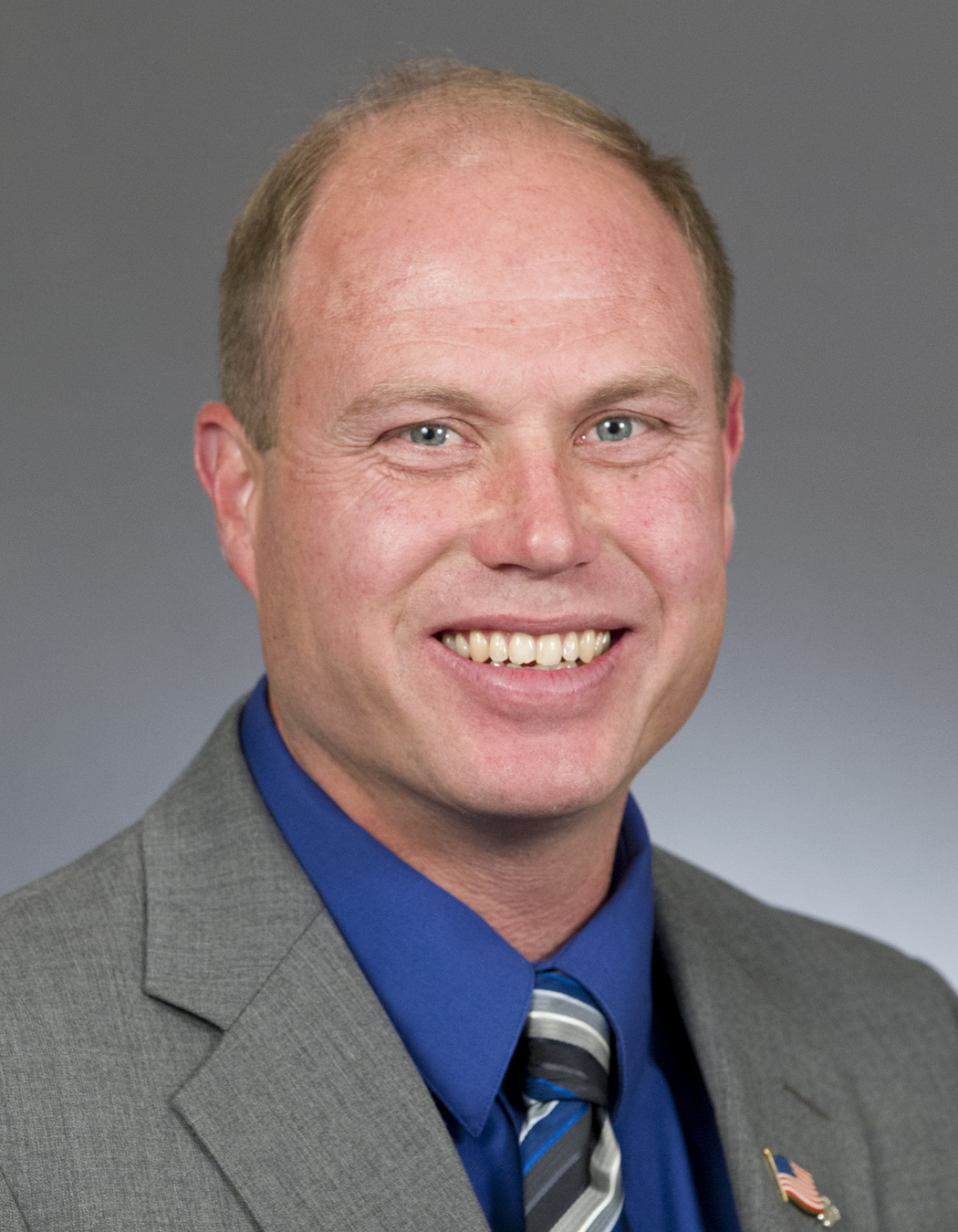
Sen. Jason Rarick
Sponsored bills
Maddy summarySF 583 allows public transit operators (defined as providers of transit bus services) to perform third-party testing for school bus drivers. It amends Minnesota law to let school districts and school bus companies contract with transit operators to test drivers who provide school bus service, including transit operators' own drivers. Agreements between entities must be submitted to the commissioner for approval, and certified testers must be employed by the testing organization. This bill directly affects school districts, school bus companies, and transit operators by creating a formal process for shared driver testing. The changes take effect July 1, 2025.
Maddy summarySF 76 clarifies and codifies Minnesota's self-defense laws, directly affecting residents who use force in defense of their home, person, or vehicle. The bill eliminates the requirement to retreat when facing a threat outside one's home, expands the definition of "dwelling" to include occupied vehicles and temporary living spaces like tents, and creates a presumption that a person using force in their dwelling or vehicle had a reasonable fear of imminent harm. It specifies that deadly force is justified to prevent a felony in one's dwelling, stop an immediate threat of serious harm or death, or stop a forcible felony. These changes apply to all Minnesotans using force in self-defense situations.
Maddy summaryThis bill (SF 655) does not regulate fireworks manufacture, sale, or use as its title suggests. Instead, it amends Minnesota tax statutes to change how revenues from specific sales are allocated. Key provisions direct 43.5% of tax revenues from motor vehicle repair and replacement parts (including parts sold with fireworks) to the highway user tax distribution fund, with additional percentages increasing annually through 2033. The bill affects state tax collection processes and funding for highway infrastructure, not fireworks consumers or vendors. The title is misleading; the bill’s actual focus is tax revenue allocation, not fireworks regulation.
Maddy summarySF 654 appropriates funds from the trunk highway fund for fiscal year 2026 to realign portions of Trunk Highway 73 south of Cromwell, Minnesota. The one-time appropriation covers engineering, right-of-way acquisition, and construction costs, with funds available until June 30, 2028. This bill directly affects the Minnesota Department of Transportation (which will administer the project) and residents or businesses in the Cromwell area impacted by the highway realignment. It does not create new laws or regulations but provides specific funding for a defined infrastructure improvement project.
Maddy summarySF 244 proposes establishing Education Savings Accounts (ESAs) in Minnesota for eligible students. It would provide state funds to parents for qualifying education expenses at approved providers (like private schools, tutors, or online programs), targeting families with incomes under four times the reduced-price lunch threshold. Key provisions include a cap on participants (starting at 5% of public school enrollment, increasing by 3% annually), priority for kindergarten students and siblings already in the program, and strict definitions of allowable expenses like tuition, curriculum materials, tutoring, and up to $400/year for supplies. The bill explicitly excludes reimbursement for parents providing home instruction.
Maddy summaryThis bill amends Minnesota Statutes section 116.06 to define "animal feedlot" for regulatory purposes. It specifies that an animal feedlot includes confined areas where manure accumulates or animal density prevents vegetation growth, but excludes pastures and small poultry operations (12 or fewer chickens). The definition clarifies which agricultural operations fall under existing environmental regulations, directly affecting larger livestock operations in Minnesota.
Maddy summaryThis bill appropriates $10.5 million from state bond proceeds to fund the Cloquet Area Fire District's project to acquire land, demolish old structures, and build or replace fire stations. The funds cover site preparation, planning, construction, and equipment for new fire stations identified by the district's board. The state will issue bonds to cover this cost, following Minnesota's bond issuance procedures under state law. This directly affects the Cloquet Area Fire District and its service area.
Maddy summarySF 355 requires Minnesota's commissioner of children, youth, and families to create a plan by January 15, 2026, to reduce paperwork in child protection cases. The plan must be developed with input from counties, tribal governments, and child welfare agencies, and include specific changes, implementation timing, and ongoing feedback procedures. It directly affects social workers, foster care providers, tribal governments, counties, and child placing agencies by aiming to simplify administrative tasks. The bill focuses on streamlining current processes without altering child protection standards or outcomes.
Maddy summaryThis bill amends Minnesota law to allow the Public Utilities Commission to issue certificates of need for new small modular nuclear reactors with a maximum capacity of 300 megawatts. It directly affects developers seeking to build these smaller-scale nuclear facilities by creating an exception to the existing prohibition on new nuclear plant construction. The key provision modifies statute 216B.243 to permit certificates for reactors under 300 MW, while maintaining restrictions on larger plants. This changes the regulatory pathway for small nuclear projects without altering broader energy policies.