

Maddy summarySF 1323 modifies the mission of Minnesota's Math Corps program, which provides math instruction support to elementary and middle school students and teachers through ServeMinnesota AmeriCorps members. The bill requires the program to use a "data-based problem-solving model" for instructional support, focusing on foundational math skills to meet state standards and workforce expectations. It appropriates $2 million for fiscal year 2026 and $1 million for 2027 (with unused 2026 funds rolling over to 2027) to support the program. The bill also mandates a biennial report to education committees evaluating the program's effectiveness in accelerating student learning.
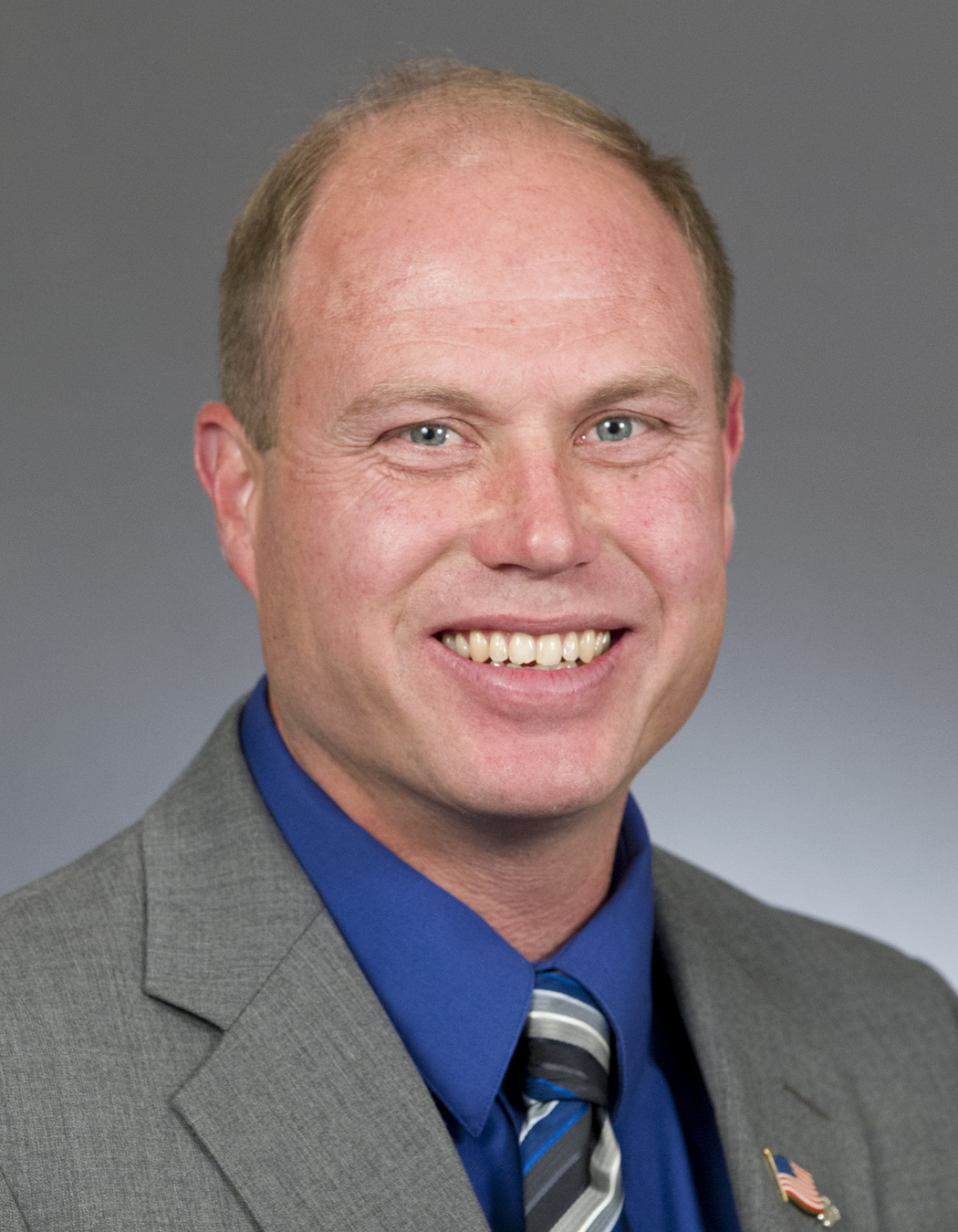
Sen. Jason Rarick
Sponsored bills
Maddy summarySF 1291 appropriates $250,000 for fiscal year 2026 and $250,000 for fiscal year 2027 from the general fund to Carlton County. The funds are specifically designated to cover law enforcement, prosecution, and litigation costs arising from the Minnesota Sex Offender Program facility in Moose Lake. This bill directly affects Carlton County, which operates the facility, by providing dedicated funding for public safety expenses related to the program. The appropriation is a one-time funding mechanism for these specific costs, not a policy change to the program itself.
Maddy summaryThis bill appropriates $2 million from the general fund for a one-time grant to the Arrowhead Economic Opportunity Agency through the Minnesota Housing Finance Agency. The funds must create a revolving fund to acquire and rehabilitate tax-forfeited properties, which will then be sold to owner-occupants at affordable prices for local workers. The agency must use the money exclusively for this housing purpose, with no other uses permitted. This is a specific funding allocation for housing development in the Arrowhead region, not a broader policy change.
Maddy summaryThis bill eliminates the legal requirement to retreat when using force in self-defense outside one's home in Minnesota. It expands the definition of "dwelling" to include temporary living spaces like tents, porches, and mobile homes, and creates a legal presumption that someone acting in self-defense was justified. The changes apply to force used on or after August 1, 2025, and directly affect Minnesotans defending themselves in non-residential settings. The bill clarifies that reasonable force may be used without retreat when a person reasonably believes it's necessary to prevent imminent harm.
Maddy summarySF 1004 proposes a constitutional amendment that would limit Minnesota's state spending growth to match inflation plus population growth. If adopted, it would require the state to calculate annual spending limits using the U.S. Bureau of Labor Statistics' Consumer Price Index for Minneapolis-St. Paul and federal population estimates. The amendment excludes federal funds, tax refunds, and certain other spending categories from the calculation. It would require voter approval in the 2026 election and allows temporary exceptions with a 60% legislative vote. The bill directly affects how the state budgets for all programs except those specifically excluded.
Maddy summaryThis bill expands Minnesota's tax subtraction for military retirement pay, allowing more types of military pensions to reduce taxable income. It directly affects Minnesota taxpayers who receive military retirement benefits by adding specific federal pension types to the eligible subtraction list. Key provisions include expanding the subtraction to include federal employee retirement system pensions (5 U.S.C. Chapter 84) and civil service retirement system pensions (5 U.S.C. Chapter 83), both multiplied by the taxpayer's military service ratio. The change applies to taxable years beginning after December 31, 2024, and excludes taxpayers claiming the credit under Minnesota Statutes section 290.0677.
Maddy summarySF 1006 would exempt reported tip income from Minnesota's individual income tax. Specifically, it adds a new "tip income" subtraction to the tax code, meaning tips that workers already report to their employers (as required by federal law) won't be counted as taxable income. This directly affects tipped workers, such as servers and bartenders, who currently report tips to employers under federal rules. The exemption applies to taxable years beginning after December 31, 2024, and does not change how tips are reported to employers or the IRS.
Maddy summarySF 762 increases criminal penalties for introducing contraband into Minnesota correctional facilities. It raises the felony penalty for bringing prohibited items (like drugs or weapons) into jails or prisons beyond the current maximum two-year sentence. The law applies to anyone who introduces contraband without facility staff consent, including inmates and visitors. Dangerous weapons already carry a maximum five-year sentence under existing law, and this bill expands the scope of the penalty increase to cover additional contraband types. The change directly affects facility security and those who violate rules regarding prohibited items.
Maddy summaryThis bill appropriates $1.65 million from state bonds to fund infrastructure improvements in the city of Wrenshall. It directly affects Wrenshall residents by financing the replacement of aging water distribution systems, storm sewer infrastructure, and city streets. The key mechanism authorizes the state to issue bonds to cover these costs, with funds administered through the Public Facilities Authority for design, construction, and equipment. The bill enables phased upgrades to critical public infrastructure systems that have reached the end of their service life.
Maddy summaryThis bill (SF 840) modifies Minnesota's water permit rules for the Mt. Simon-Hinckley aquifer. It requires new permits for drinking water use from this aquifer to include a demonstration that no other water sources are feasible, a water conservation plan using modern technology, and compliance with other water laws. For non-drinking water use (like industrial processes), permits are only allowed outside metropolitan counties and must meet the same three requirements. The bill directly affects water users, developers, and municipalities seeking new permits from this specific aquifer. It creates concrete new conditions for obtaining permits but does not change existing water rights.