

Maddy summaryThis bill appropriates $35 million from state bond proceeds specifically for Minnesota town roads and bridges. $25 million is allocated for town roads and $10 million for town bridges, to be distributed by the commissioner of transportation per existing rules (Minnesota Statutes §162.081). The state will issue up to $35 million in bonds to fund this appropriation, following established bond procedures under Minnesota law. The funding directly affects local town governments responsible for maintaining roads and bridges within their jurisdictions. The bill becomes effective upon final enactment.
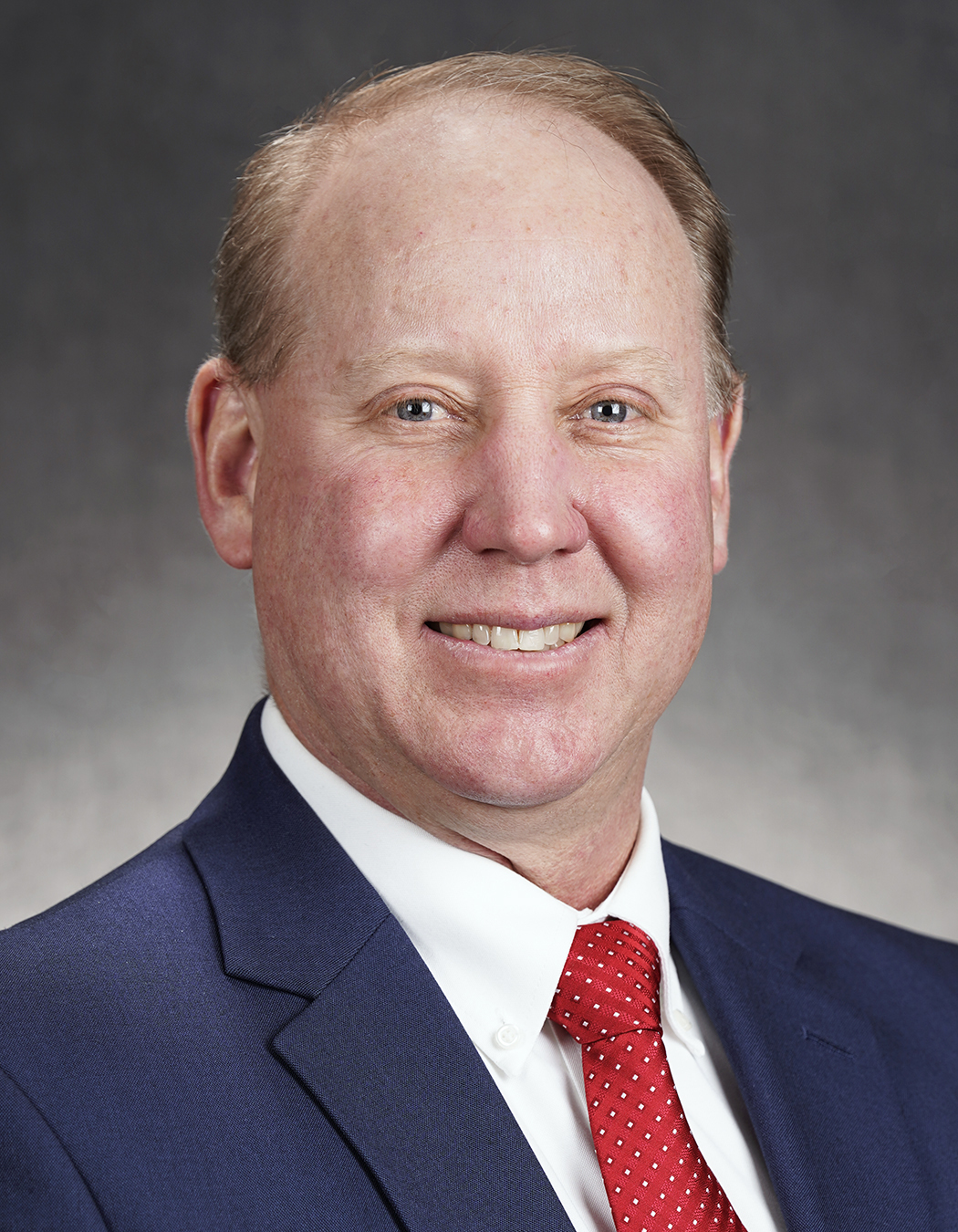
Rep. Bryan Lawrence
Sponsored bills
Maddy summaryHF 19 establishes education savings accounts (ESAs) for Minnesota students from low-income households, defined as families earning no more than four times the income threshold for free school meals. The bill allows parents to use state funds to pay for qualifying education expenses - including tuition at eligible nonpublic schools, tutoring, approved curriculum, and school supplies - at participating schools or providers. Participation is capped at 5% of public school enrollment in the first year, increasing by 3% annually, with priority given to kindergarten students and those who attended public school full-time the prior year. The program directly affects eligible students (ages 18 and under) and their families, with funds restricted to approved educational services and materials.
Maddy summaryHF 2387 amends Minnesota Statutes § 124D.118 to establish a program allowing schools to provide free half-pint milk to students who do not participate in the full school lunch program. This directly affects public and nonpublic schools in Minnesota, enabling students to receive milk without needing to take a complete lunch, thereby reducing food waste from uneaten meals. The bill authorizes state reimbursement of 20 cents per milk serving for kindergarten students and up to 50 cents (or USDA rate) for lunch milk, with funding appropriated for fiscal years 2026 and 2027. Schools must follow commissioner-established guidelines to participate, focusing on daily milk access as a nutritional supplement.
Maddy summaryHF 1053 requires Minnesota school districts to notify families when a student is dropped from the school roll due to 15 or more consecutive absences during the regular school year. Schools must then contact families to encourage reenrollment and provide the student's contact information to the state Department of Education. The Department of Education must subsequently notify families about community resources, the student's right to return to their school, and other accessible educational options. This bill, effective July 1, 2025, directly affects school districts, families of unenrolled students, and the Department of Education.
Maddy summaryHF 1522 modifies Minnesota's definition of "agricultural land" for property tax classification purposes. It specifies that agricultural land must consist of either contiguous acreage of 10+ acres used for farming last year, or land used for intensive livestock/poultry confinement (excluding grazing-only land). This change affects farmers and landowners who qualify for lower tax rates on agricultural property, ensuring only land meeting these criteria receives the reduced 0.5% or 1% classification rate. The bill clarifies how mixed-use parcels (like land with windbreaks or timber) are classified under existing tax categories.
Maddy summaryHF 1840 amends Minnesota Statutes section 200.031 to establish a specific standard for determining the residence of individuals under civil commitment orders. It states that such individuals' residence is defined as their last known residential address prior to the commitment order, rather than their current location in a facility. This change directly affects people subject to civil commitment under chapters 253B or 253D of Minnesota law. The bill updates the existing voting residence rules to clarify that commitment status does not automatically change an individual's voting residence. This is a technical amendment to existing election law, not a new policy.
Maddy summaryHF 1030 requires schools in Minnesota to include student attendance data in annual state assessment reports. Specifically, individual student reports must show the number and percentage of days a student was absent during the previous school year. This applies to all public schools, school districts, and charter schools that provide these assessment reports to parents and school staff. The requirement takes effect on July 1, 2025, and does not change existing attendance policies or tracking methods.
Maddy summaryHF 1580 amends Minnesota law to require medical personnel to provide immediate care to infants born alive during abortion procedures. The bill mandates that such infants be recognized as human persons under the law and that all reasonable medical measures, consistent with standard practice, be taken to preserve their life and health, including proper medical documentation. This directly affects healthcare providers performing abortions in Minnesota who encounter infants born alive. The law takes effect the day after final enactment. It focuses solely on medical care protocols for surviving infants, not on changing abortion access or legality.
Maddy summaryHF 2192 eliminates Minnesota's North Star Promise scholarship program and redirects any unspent funds from its special revenue account to the state grant program. The bill repeals the program's funding statute (Minnesota Statutes §136A.1465) and requires transferring unencumbered balances to the state grant program by July 2025, with the account closed by August 2025. This affects future scholarship recipients who would have qualified for North Star Promise, as the program will no longer provide aid starting fall 2025. The state grant program will now receive these redirected funds, though the bill does not create new scholarship eligibility or funding.
Maddy summaryHF 2420 establishes the Commission on Government Efficiency and Ethics to investigate allegations of fraud in state-funded programs and undisclosed legislative conflicts of interest. The commission will maintain an anonymous hotline and website for reporting, offer up to $5,000 rewards for reports leading to convictions or expulsions, and conduct investigations or forensic audits of state agencies. It requires public officials and entities handling public funds to cooperate with investigations and must report credible fraud evidence to law enforcement or legislative committees. The commission also submits annual reports with recommendations to prevent fraud and conflicts of interest. This bill directly affects state program administrators, legislators, and any individuals reporting misconduct.