

Maddy summaryThis bill proposes adding a new section to the Minnesota Constitution that explicitly states a preborn child has a right to life. It defines a preborn child as a living human fetus from fertilization until live birth and requires voter approval at the 2026 general election for the amendment to take effect in 2027. The text includes specific language ensuring that medical treatment to save a pregnant person's life or the removal of a nonviable or deceased fetus remains allowed.

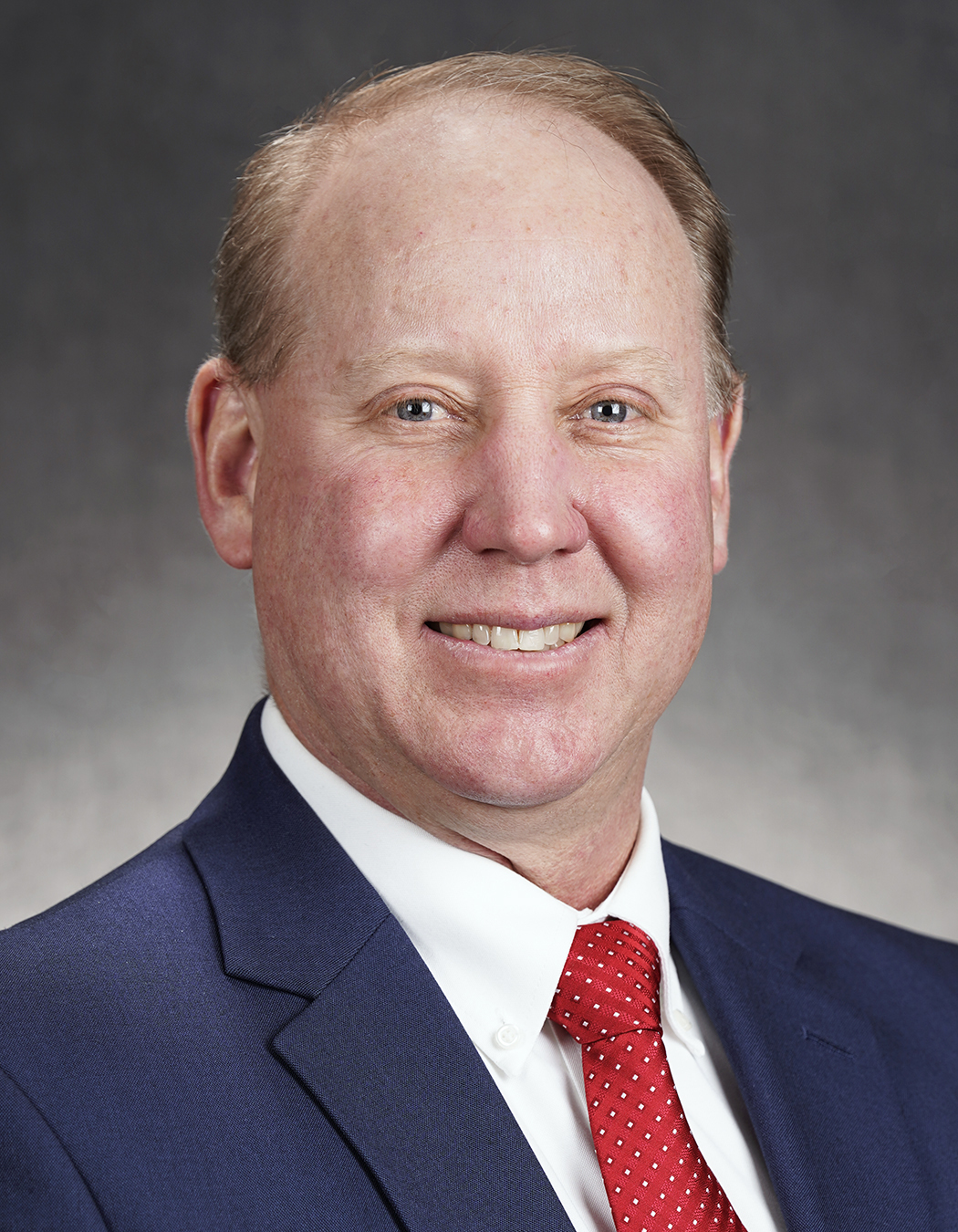
Rep. Bryan Lawrence
Sponsored bills
Maddy summaryThis bill temporarily suspends the state motor fuels tax in Minnesota for a specific period in 2026, directly affecting drivers, fuel retailers, and businesses that purchase gasoline and diesel. Under the legislation, the tax rate is set to zero cents per gallon or per thousand cubic feet for all fuel types during the designated timeframe, which begins shortly after the bill is enacted and ends in early September 2026. To offset the lost revenue from this suspension, the state will transfer money from its general fund to the Department of Transportation to cover the costs that would have been collected from fuel taxes. The bill also allocates a one-time appropriation to the Department of Revenue to cover the administrative expenses required to implement this temporary tax pause.
Maddy summaryHF 3490 authorizes Minnesota to participate in a federal tax credit program by establishing rules for scholarship-granting organizations (SGOs). These SGOs must be 501(c)(3) nonprofits that spend at least 90% of funds on student scholarships, verify household income, prioritize returning students/siblings, and avoid targeting specific students. Organizations must report annually to the Minnesota Department of Education, which will post a public list of approved SGOs. The bill clarifies it does not grant schools additional control over nonpublic schools or their students.
Maddy summaryThis bill requires Minnesota voter registration forms to include any new requirements mandated by federal law, such as asking voters to provide proof of citizenship. It directs the Secretary of State to ensure all election officials comply with federal election rules and to distribute $5 million in state funds to counties based on their 2024 voter turnout to help cover costs associated with these new federal mandates. The legislation also mandates that the Secretary of State submit annual reports to the legislature confirming that the state and local officials are meeting these federal obligations.
Maddy summaryThis bill allows Minnesota school districts that offer full-time digital instruction to administer state assessments remotely to their enrolled students. The key provisions require students to take tests during scheduled windows, attend live sessions managed by district staff, use video monitoring by proctors, and follow specific device and supervision rules to ensure test integrity. The law applies to regular state assessments but excludes college and workforce readiness tests provided by national organizations. Funding of $200,000 is allocated in fiscal year 2027 to support the implementation of remote assessment systems. The changes take effect starting with the 2026-2027 school year.
Maddy summaryHF 482 establishes "Choose Life" special license plates for Minnesota motor vehicle owners. To obtain these plates, applicants must pay a $25 initial fee and $25 annual contribution to a dedicated "Choose Life account," in addition to standard registration fees. Funds collected are deposited into this account and distributed by Choose Life Minnesota, Inc., to non-profit agencies within each county that assist pregnant women making adoption plans - excluding any agencies involved in abortion services or charging fees for services. The bill also specifies plate design requirements (featuring the "Choose Life" logo and inscription) and limits administrative costs for the program to 15% of funds. The program becomes effective January 1, 2026.
Maddy summaryThis bill creates a new crime in Minnesota specifically for disrupting worship services at religious establishments. It applies to individuals who enter a clearly identified place of worship with the intent to interfere with a scheduled service and commit a crime there. A first offense is classified as a gross misdemeanor, while a second or subsequent violation becomes a felony punishable by up to five years in prison or a fine of $10,000. The law defines a religious establishment as a building used for worship that is marked with a sign or other clear identification. These provisions will take effect on August 1, 2026, and only apply to crimes committed on or after that date.
Maddy summaryThis bill creates new criminal penalties for anyone who attempts to bribe or corruptly influence a juror in Minnesota. It directly affects individuals who offer bribes to jurors, jurors who accept them, and anyone using threats or deception to sway a juror's decision. Under the new law, offering or accepting a bribe is a felony punishable by up to ten years in prison or a fine of $20,000, while corruptly influencing a legislator or juror through menace or deception carries a penalty of up to five years in prison or a $10,000 fine. These provisions will become effective on August 1, 2026, and apply to crimes committed on or after that date.
Maddy summaryThis bill establishes the SAVE Minnesota Act, which requires voters to present a specific photo identification card to register to vote and to cast their ballots. To obtain this new voter identification card, applicants must provide proof of their U.S. citizenship and may receive certain vital records, such as birth certificates, without a fee. The legislation also creates a new voter identification card program, modifies existing driver's license requirements, and sets up a process for handling provisional ballots. Additionally, the bill includes funding provisions to support the administration of these new election procedures and establishes a children's trust fund.
Maddy summaryThis bill creates a new 100% tax on money obtained through fraud by individuals or organizations, regardless of whether they have already paid fines or restitution. It applies to those convicted by a court, those identified by the state revenue commissioner as having committed fraud, and anyone paid to help facilitate such fraudulent activities. The revenue collected from this tax must be used exclusively to provide relief for state income or property taxes. The law takes effect retroactively for fraud cases determined after December 31, 2019.