

Maddy summaryHF 487 appropriates $600,000 total ($300,000 for each of fiscal years 2026 and 2027) from the state general fund to provide a grant to Wellness in the Woods. The funding supports daily peer support and special sessions for three specific groups: individuals in substance use recovery, people transitioning out of incarceration, and those who have experienced trauma. The grant is administered through the commissioner of human services. This is a direct funding mechanism for community-based mental health and recovery services.
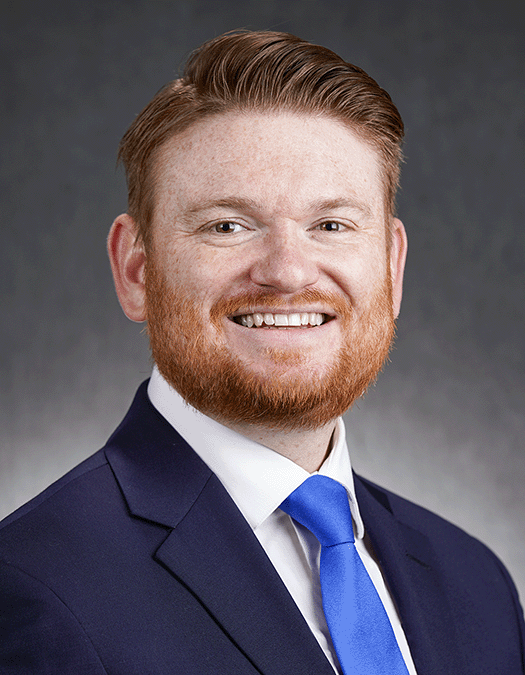
Rep. Andy Smith
Sponsored bills
Maddy summaryHF 1581 appropriates $553,000 for fiscal year 2026 and $553,000 for fiscal year 2027 from the general fund to the Diaper Bank of Minnesota. The funds are designated for its diaper distribution grant program, which provides diapers to low-income families in need. This bill directly supports families facing diaper insecurity by expanding access to essential supplies through the existing program. The funding is added to the program's base budget and requires no new policy changes or administrative processes.
Maddy summaryHF 2708 appropriates funds from the general fund for fiscal years 2026 and 2027 to support a new southeast Minnesota groundwater protection and soil health initiative. The bill directs the Board of Water and Soil Resources to provide grants to soil and water conservation districts in Dodge, Fillmore, Freeborn, Goodhue, Houston, Mower, Olmsted, Rice, Steele, Wabasha, and Winona counties. These grants will fund projects to reduce nutrient leaching into groundwater, immobilize unused nitrogen, and decrease erosion. Conservation districts may use the funds for subgrants aligned with the existing Olmsted County initiative, including cover crop programs and soil health enhancements.
Maddy summaryHF 107 modifies Minnesota's unemployment insurance rules for workers involved in labor disputes. It specifies that workers participating in or directly affected by a labor dispute can receive benefits until the end of the week the dispute was active, while those not involved are eligible until the dispute began. The bill clarifies that certain situations - like employer safety violations, lockouts, or being fired before a dispute starts - do not make applicants ineligible. This directly affects workers who stop working due to labor conflicts, ensuring they maintain eligibility under defined conditions. The changes amend Minnesota Statutes section 268.085, subdivision 13b.
Maddy summaryHF 2699 legalizes personal cultivation, possession, transportation, and use of psilocybin for Minnesotans aged 21 or older, removing criminal penalties for these activities. The bill establishes a Psychedelic Medicine Board to oversee implementation, creates public education and harm reduction programs, and authorizes civil actions for related issues. It amends Minnesota’s controlled substances laws (specifically sections 152.021, 152.022, and 152.024) to exclude psilocybin from possession crime classifications for adults 21+. The legislation also appropriates funding for these programs and sets up rulemaking authority for the new framework.
Maddy summaryHF 1948 establishes Minnesota's Headwaters Community Food and Water Economic Resiliency Program to support sustainable local food systems. The program, administered by the commissioner of employment and economic development, directly assists urban and rural producers - especially Black, Indigenous, and people of color - engaged in regenerative food systems. Key provisions include providing financial and technical aid for infrastructure (like storage facilities, food commons, and weather-resilient water systems), operational support for food webs, training for new participants, and ensuring affordable fresh food access for all income levels. The bill also creates an advisory committee requiring diverse community representation to guide program implementation.
Maddy summaryHF 2765 modifies Minnesota's optometry scope of practice by adding specific restrictions to the existing law. The bill directly affects licensed optometrists by prohibiting them from administering prescription medications via injection (except for anaphylaxis treatment), performing invasive surgeries (including laser procedures), prescribing certain strong oral medications (like Schedule II/III drugs or steroids), and extending the duration of some prescriptions (limiting oral antivirals to 10 days and oral carbonic anhydrase inhibitors to 7 days). These changes clarify the boundaries of optometric practice under Minnesota Statutes 148.56. The bill does not alter optometrists' core duties like vision testing, lens prescribing, or diagnosing eye conditions.
Maddy summaryThis bill appropriates funding for Minnesota's Local Food Purchasing Assistance Grant Program, which provides grants to organizations buying and distributing food within the state. Eligible groups include nonprofits, businesses, tribal governments, and schools, with preference given to those sourcing 100% of food from Minnesota, prioritizing farmers with limited market access, and distributing food at no cost in communities with low supermarket access or high need. The program aims to support local agriculture and improve food access in underserved areas, including food deserts and communities with significant aging or disabled populations. Funding is allocated for fiscal years 2026 and 2027 from the state general fund.
Maddy summaryHF 1093 directs Minnesota's Commissioner of Human Services to create a centralized prescription drug purchasing program for medical assistance and MinnesotaCare enrollees (who receive state-funded health coverage). The program requires the commissioner to negotiate lower drug prices, develop a preferred drug list, manage pharmacy participation, and coordinate prescription benefits. It mandates the commissioner to seek federal approval for implementation (effective January 2027) and submit expansion recommendations by December 2027 to include health plan companies administering drug benefits. The bill focuses on lowering costs for covered individuals through coordinated purchasing and price negotiations.
Maddy summaryHF 452 appropriates funds from Minnesota's Clean Water Fund for fiscal years 2026 and 2027 to support a southeast regional groundwater protection and soil health initiative. The funding targets soil and water conservation districts in Dodge, Fillmore, Freeborn, Goodhue, Houston, Mower, Olmsted, Rice, Steele, Wabasha, and Winona counties. It enables these districts to provide grants for projects reducing nutrient leaching into groundwater, immobilizing nitrogen, and preventing erosion, including cover crop programs, alternative crops, and pasture enhancements. The initiative specifically aligns with existing requirements from the Olmsted County groundwater protection program.