

Maddy summaryHRES 1080 is a symbolic resolution recognizing and celebrating Black History Month 2026, focusing on its theme "A Century of Black History Commemorations." It highlights historical figures and events central to Black history, including Carter G. Woodson’s founding of Negro History Week (the precursor to Black History Month), Juneteenth, and key moments like the 1865 Charleston commemoration. The resolution emphasizes how Black history commemorations counter historical erasure and affirm Black contributions to U.S. history, referencing figures like Mary McLeod Bethune and W.E.B. Du Bois. As a ceremonial resolution, it has no binding effect but aims to raise awareness of Black achievements through official recognition.
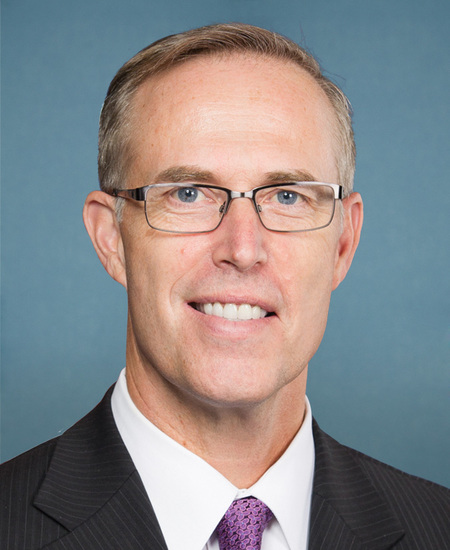
Rep. Jared Huffman
Sponsored bills
Maddy summaryThis bill, the Tribal Tax and Investment Reform Act of 2026, treats federally recognized Indian tribes and Alaska Native entities as states for specific tax purposes, allowing them to issue tax-exempt bonds and maintain employee pension plans under the same rules as state governments. It creates a new $175 million annual tax credit allocation for investments in tribal areas, expands existing employment tax credits, and clarifies how tribal general welfare benefits and trust funds are treated for federal assistance programs. The legislation also establishes uniform fiduciary standards for tribal pension plans, provides technical assistance for tribal area investments, and ensures tribal areas qualify for certain affordable housing tax incentives.
Maddy summaryThe Ceasefire Compliance Act of 2026 establishes requirements for Israel to comply with the October 10, 2025, ceasefire agreement, including allowing sufficient humanitarian aid into Gaza, halting military operations in Gaza, preventing settler violence, and supporting Palestinian governance. The bill requires the US government to submit quarterly reports certifying Israel's compliance with these conditions, with potential restrictions on US defense sales to Israel if violations occur. If Israel fails to meet the requirements, the US would prohibit the sale, export, or transfer of US-origin defense articles for use in the West Bank or Gaza. The bill also creates an end-use monitoring group to track if US defense articles are being used in those areas, with a 5-year sunset provision. This legislation directly affects US-Israel defense relations and the flow of military assistance.
Maddy summaryHR 7543, the Plastic Pellet Free Waters Act, prohibits plastic pellets and pre-production plastic materials from being discharged into waterways through wastewater, spills, or runoff from specific facilities. It directly affects plastic manufacturing, molding, packaging, and transportation facilities regulated under existing environmental rules. Within 60 days of enactment, the EPA must issue a rule banning these discharges and update all relevant wastewater, stormwater, and performance standards in permits. The law requires all permits and standards for these facilities to reflect the new ban, ensuring plastic pellets cannot enter water systems. This is a concrete regulatory change to prevent plastic pollution at its source.
Maddy summaryHR 7545 prohibits U.S. security assistance funds from being used to support Israeli military actions that violate international law, specifically targeting the detention of Palestinian minors, destruction of Palestinian property, and unilateral annexation of occupied land. It requires annual certifications from the State Department confirming U.S. funds aren't supporting these activities and mandates detailed reports on Israeli detention practices, property seizures, and settlement compliance. The bill directly affects U.S. security aid to Israel, including Foreign Military Financing and offshore procurement funds for defense articles. Key mechanisms include funding restrictions, annual reporting requirements, and a GAO report analyzing how offshore procurement funds impact Israel’s military budget and settlement activities.
Maddy summaryThis bill creates a tax exclusion for certain disaster mitigation payments received by property owners. It allows individuals to exclude from gross income funds paid by state programs (or approved entities) to make improvements that reduce damage from windstorms, earthquakes, or wildfires. The exclusion applies to payments made for specific property upgrades like storm shutters or fire-resistant roofing. The change takes effect for 2021+ tax years and includes a retroactive option for taxpayers to amend prior returns. It directly affects homeowners participating in qualifying state disaster resilience programs.
Maddy summaryThe MOVE Act requires the U.S. Department of Transportation to study how micromobility devices (like e-scooters, e-bikes, and electric skateboards) impact road safety, particularly for children, young adults, and other vulnerable road users. It mandates the creation of best practices and a public education program covering device safety, speed limits (max 20 mph for micromobility), and state laws on age, helmets, and registration. The bill also updates federal safety programs to include emerging micromobility safety issues. It directly affects nonmotorized road users and micromobility device operators by providing safety guidance based on data, not by changing existing laws. The focus is on improving safety awareness through education, not imposing new regulations.
Maddy summaryThe Emergency Alert Grant Fairness Act requires the Federal Emergency Management Agency (FEMA) to open applications for its Next Generation Warning System grants for at least 30 days each year. It also explicitly includes public broadcasting entities (as defined in the Communications Act of 1934) as eligible recipients for these grants. This bill directly affects FEMA's grant administration process and public broadcasting organizations that provide emergency alert services. The key change is standardizing the application window and expanding eligibility to ensure public broadcasters can access funding for emergency alert systems.
Maddy summaryHJRES 144 is a congressional disapproval resolution targeting a specific rule issued by the Department of Veterans Affairs (VA) on December 31, 2025, which addressed "Reproductive Health Services" (90 Fed. Reg. 61310). This resolution directs Congress to disapprove the VA rule under Chapter 8 of Title 5, U.S. Code, meaning the rule would have no legal effect if passed. The bill directly affects the VA's implementation of reproductive health services for veterans, as it seeks to nullify the agency's existing policy. This is a procedural measure, not a substantive policy change, aimed solely at blocking the VA's rule through congressional action.
Maddy summaryHR 7246 establishes two new bodies within the Financial Stability Oversight Council to address climate-related financial risks. It creates a Climate Financial Risk Committee to coordinate agency efforts and an Advisory Committee with 30 members (including climate scientists, financial experts, and consumer advocates, but excluding oil/gas industry representatives) to provide input. The bill requires annual reports assessing climate risks to financial stability, updates to banking supervisory guidance for institutions over $50 billion in assets, and detailed data collection on homeowners insurance underwriting by zip code. These provisions directly affect federal financial regulators (like the Fed, SEC, and FDIC), banks, insurers, and the broader financial system by mandating structured analysis of climate risks.