

Maddy summarySB 806 creates a dedicated "hyperbaric oxygen therapy inspection fund" in the state treasury, funded by licensing fees paid by freestanding hyperbaric oxygen therapy facilities. The fund is managed by the state treasurer and administered by the state health department, with all money used solely for inspecting these facilities. This bill directly affects hyperbaric oxygen therapy providers and the state's inspection process for their facilities. The fund ensures consistent, dedicated funding for inspections, replacing general appropriations for this specific purpose.
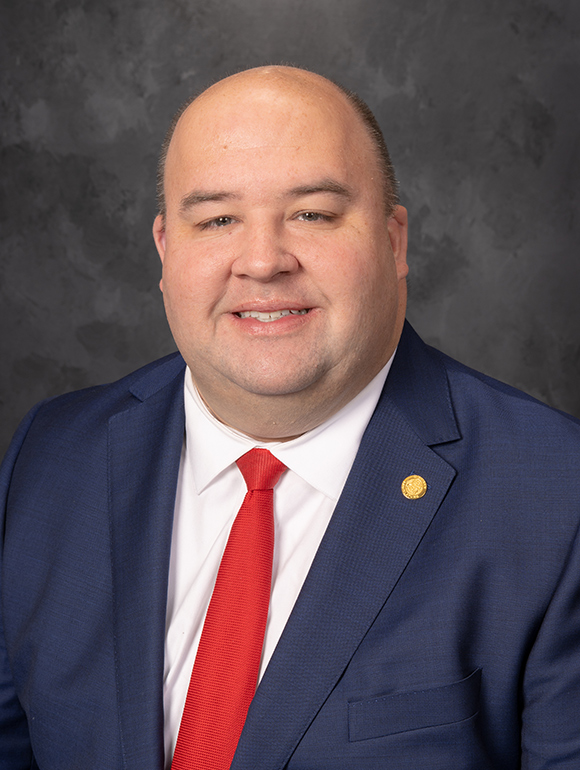
Sen. Michael Webber
Sponsored bills
Maddy summarySB 803 creates a new licensure requirement for freestanding facilities that provide hyperbaric oxygen therapy (HBOT), a medical treatment using pressurized oxygen. It directly affects businesses operating standalone HBOT centers and patients receiving this therapy by establishing specific safety and operational standards. The bill amends Michigan's Public Health Code to add licensing rules for these facilities, ensuring they meet state health and safety criteria. This change applies to facilities not located within hospitals, requiring them to obtain state licensure before operation.
Maddy summarySB 804 adds new licensing requirements for freestanding hyperbaric oxygen therapy facilities in Michigan, directly affecting these specialized treatment centers. The bill requires facilities to appoint a medical director and safety coordinator, comply with national fire safety standards (NFPA 99), and ensure staff meet specific licensing qualifications. It defines key terms like "accreditation organization" and "qualified health professional" to establish clear operational standards. The legislation is contingent on three related bills (SB 803, 805, 806) also being enacted.
Maddy summarySB 805 establishes licensing requirements for standalone hyperbaric oxygen therapy clinics in Michigan. It mandates that these facilities obtain state licensure, appoint a qualified medical director and safety coordinator, comply with NFPA 99 safety standards, and meet FDA-approved treatment protocols. Clinics must display their license/permit and accreditation publicly, provide patients with clear information about treatment risks, FDA-approved uses, and insurance coverage limitations, and obtain written consent before treatment. The bill directly affects clinic operators, healthcare providers, and patients receiving hyperbaric oxygen therapy, ensuring standardized safety and transparency.
Maddy summaryThis resolution designates February 19, 2026, as "Conductive Education Day" to recognize a teaching method developed in Hungary that helps people with neuromotor disabilities - including cerebral palsy, stroke survivors, and multiple sclerosis patients - improve mobility and independence through neuroplasticity-based learning. It does not create new laws or allocate funding but formally acknowledges Conductive Education's potential to benefit nearly 9 million people in the U.S. and Canada. The resolution encourages broader support for this program without specifying any concrete policy changes. As a symbolic gesture, it directly affects awareness and advocacy for Conductive Education rather than individual beneficiaries.
Maddy summarySB 789 creates a new legal structure for "benefit corporations" in Michigan, allowing businesses to formally balance profit with social or environmental goals. It establishes specific duties for directors and officers to consider public benefits (like community impact or environmental sustainability) alongside shareholder interests when making decisions. This bill directly affects businesses that choose to register as benefit corporations under its new Chapter 9A provisions, requiring them to meet defined standards for public benefit reporting and governance. The law amends existing business corporation statutes to incorporate these requirements and defines key terms like "benefit corporation" and "independent director."
Maddy summarySB 790 redirects a portion of corporate income tax revenue to fund Michigan Space Grant Consortium (MSGC) programs. Beginning in the 2025-2026 fiscal year, the bill requires $250,000 (or the amount needed to fully fund NASA-related student grants, fellowships, and internships) annually to be allocated to support MSGC. This directly benefits Michigan residents pursuing undergraduate or graduate opportunities in space-related fields through NASA programs. The funds are transferred to the Michigan Economic Development Corporation for MSGC to administer, ensuring state support for student participation in federal space initiatives.
Maddy summarySB 778 amends Michigan's vehicle code (MCL 257.309) to require driver's license applicants to answer at least two questions about approaching stationary emergency vehicles during written knowledge tests. This change directly affects all new and renewing drivers in Michigan who undergo state licensing examinations. The bill adds this specific provision to the existing testing requirements, ensuring applicants learn the legal "slow-down and move-over" rules for emergency vehicles. The amendment does not alter other testing components like driving skills tests or background checks.
Maddy summarySB 779 requires Michigan driver education programs to include two new topics in their segment 2 curriculum: (1) instruction on organ, tissue, and eye donation registration, using materials developed with the state organ procurement organization, and (2) teaching drivers how to safely approach and pass stationary emergency vehicles under Michigan's slow-down and move-over law (MCL 257.653a). This applies directly to all driver education providers and students enrolled in segment 2 courses. The bill adds these requirements to existing curriculum standards, such as minimum driving hours and classroom scheduling. It does not change licensing rules but mandates specific content within driver training programs.
Maddy summaryThis bill amends Michigan's sentencing guidelines (MCL 777.16w) to address cases involving minors exploited in prostitution. It specifically modifies how individuals aged 16 or younger are treated when found in a house of prostitution, shifting the focus from criminalization to victim support. The key change directs courts to prioritize rehabilitation and services for these minors rather than imposing standard criminal penalties. This policy change directly affects minors under 16 who are victims of exploitation, ensuring their cases are handled through a victim-centered approach.