

Maddy summaryThis bill, known as the Energy Pricing Protection Act, prohibits businesses from charging excessively high prices for gasoline, propane, and home heating oil during market disruptions. It defines a market disruption as events like natural disasters, strikes, or emergencies and sets a 20% price increase threshold as the limit for what is considered unjustified, unless sellers can prove higher costs or prior discounts caused the rise. The law applies to anyone selling these essential energy products but excludes utilities regulated by state or federal commissions. Enforcement is handled by state and local prosecutors, who can issue written demands for documents and testimony and file court actions against violators, with investigative details kept confidential until a formal charge is made.
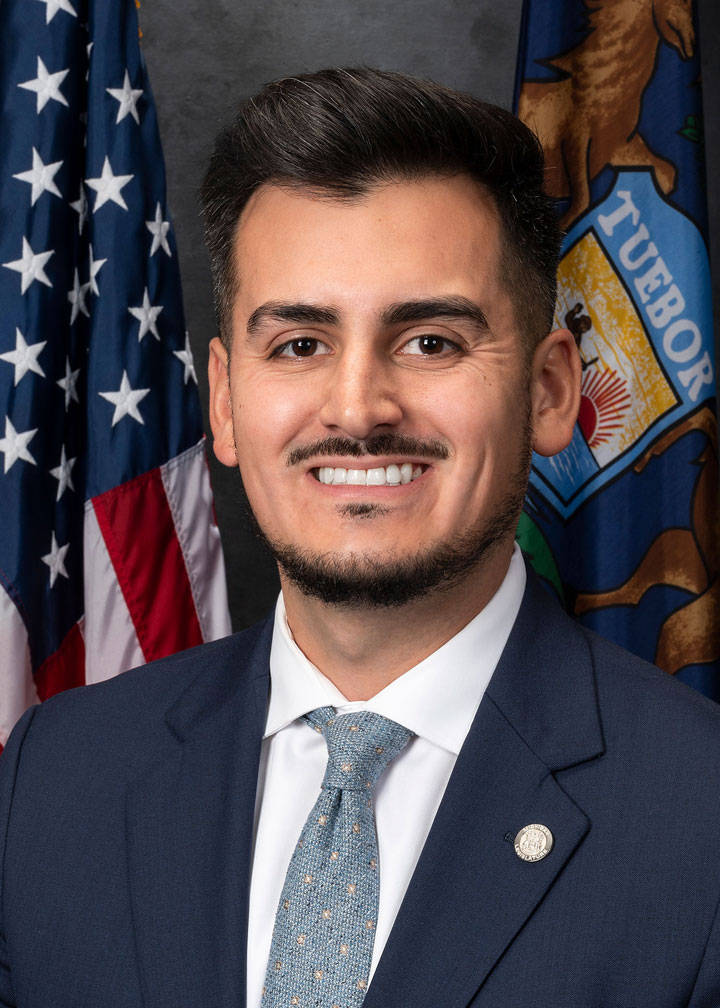
Sen. Darrin Camilleri
Sponsored bills
Maddy summaryThis bill creates the Hotel and Lodging Pricing Protection Act to stop businesses from raising room rates by more than 20% during a declared state of emergency unless they can prove the increase is due to higher costs or pre-existing contracts. The law applies to hotels, bed and breakfasts, campgrounds, and short-term rentals like Airbnb, but excludes large resort-managed units. It allows prosecutors to investigate violations by issuing legal demands for documents and testimony, with courts empowered to enforce compliance if the investigation is deemed proper.
Maddy summaryThis bill establishes the Commodities and Emergency Services and Supplies Pricing Protection Act to stop businesses from raising prices unfairly during a declared state of emergency. It specifically targets sales of building materials, food, emergency supplies, medical items, and general goods, defining an illegal price hike as an increase of more than 20% compared to pre-emergency rates unless the seller can prove higher costs. The law prohibits charging or offering these items at excessively high prices and grants prosecutors the power to investigate violations by demanding documents and testimony from suspected violators.
Maddy summarySB 1011 creates a new state-regulated program called a small business health pool to offer health coverage to Michigan employers with fewer than 500 employees and eligible self-employed individuals. This initiative requires these businesses to join a nonprofit sponsoring association that meets specific financial and operational standards, ensuring the group is stable and has a legitimate business purpose beyond just providing insurance. The bill establishes rules for how these pools operate, allowing them to be fully insured, level-funded, or self-funded while mandating that they cover essential health benefits and cannot discriminate based on health status or claims history. Additionally, the legislation creates a state-funded reinsurance program to reimburse 60% of catastrophic claims between $75,000 and $250,000 per person to help stabilize premiums. The Department of Insurance will oversee the program by reviewing financial solvency and compliance, but it will not approve insurance rates except for fully insured products.
Maddy summaryThis bill, known as the Responsible Artificial Intelligence Security for Employees Act, restricts how employers in Michigan can use automated decision-making tools and electronic monitoring systems for their workforce. It generally prohibits using these technologies for employment decisions like hiring or firing, except when screening large volumes of applications based on specific job criteria. Employers are only allowed to monitor employees for specific purposes such as ensuring job function completion, monitoring production quality, or protecting health and safety, and they must obtain written consent from every employee before using such tools. The legislation also mandates that employers provide clear notice of monitoring, maintain accurate data, allow employees to correct their records, and conduct impact assessments to ensure these tools do not negatively affect individuals based on protected characteristics.
Maddy summarySB 1074 modifies how state transportation funds are distributed to county road commissions in Michigan. The bill establishes specific allocation rules, requiring a portion of funds to be set aside for snow removal and engineering reimbursement, while directing the remainder toward primary and local road systems based on mileage and population metrics. Additionally, it mandates that the state and county road association create incentives for counties to form purchasing pools to improve fund efficiency. This legislation directly affects county road commissions and the local road networks they manage.
Maddy summaryThis bill establishes a new grant program and fund to support community violence intervention and prevention efforts in Michigan. It directs state funding to eligible local governments and nonprofit organizations that meet specific criteria, such as having high homicide rates or a demonstrated need to address violence. The grants must be used for evidence-based strategies that utilize trauma-informed care, expand economic opportunities, and avoid contributing to mass incarceration. Furthermore, the legislation requires that at least 75% of any grant given to a local government be passed on to community-based or nonprofit groups, ensuring that law enforcement agencies do not receive these specific funds. The bill also mandates regular reporting on financial use and program outcomes to ensure accountability.
Maddy summaryThis bill creates a new Office of Community Violence Intervention and Prevention Services within the Michigan Department of Health and Human Services. The office would manage state funds and grants, track violence trends, and provide technical assistance to local nonprofit organizations working to reduce shootings and homicides. It would also set statewide goals for violence reduction, publish best practices, and coordinate all related prevention efforts across the state. The legislation does not take effect unless a companion bill, SB 1016, is also passed.
Maddy summaryThis bill amends Michigan's insurance code to require health insurers to provide consumers with a plain English summary of their policies and detailed information upon request. The legislation mandates that these summaries clearly explain coverage benefits, costs, exceptions, and renewal terms, while also ensuring policies are printed in a readable font size without highlighting specific text. Additionally, the bill requires insurers to disclose provider network details, professional credentials, and financial arrangements when asked, and it sets specific deadlines for delivering this information to applicants and policyholders.
Maddy summarySB 978 repeals the requirement that health insurers in Michigan provide emergency refills of prescription medications for up to a 30-day supply. This change directly affects insurance companies and their policyholders by removing the obligation to cover such emergency supplies under specific circumstances. The bill eliminates Section 3406w of the state's insurance code, which previously mandated these emergency coverage provisions. Consequently, insurers will no longer be required to grant these specific emergency refill exceptions, leaving the existing formulary and exception processes in Sections 3406o as the primary framework for drug coverage.